


To Issue 186
Citation: Soukiassian H, Lelias S, “Expanding Subcutaneous Design Brick by Brick: The BD Neopak™ Prefillable Syringe Platform”, ONdrugDelivery, Issue 186 (May 2026), pp 30–35.
Hervé Soukiassian and Sophie Lelias discuss the established injection platforms built to achieve reliable and efficient subcutaneous delivery, going further to examine new injectable devices in development that are designed for an optimised patient experience as well as higher-volume, higher-viscosity delivery.
Over the past decade, the landscape of subcutaneous (SC) drug delivery of biologics has shifted significantly. The rapidly growing pipeline for these drugs is now characterised by increasingly complex and sensitive formulations, rising viscosities, larger fill volumes and expanding therapeutic applications. These trends have steadily pushed the limits of traditional primary containers and delivery devices.
“AS PHARMACEUTICAL COMPANIES CONTINUE TO ADVANCE THE DEVELOPMENT OF SC BIOLOGICS, THEY MUST BALANCE A WIDE SET OF COMPLEMENTARY AND COMPETING REQUIREMENTS.”
As pharmaceutical companies continue to advance the development of SC biologics, they must balance a wide set of complementary and competing requirements. These include drug-container compatibility, operational efficiency, usability, patient preference, time-to-market, rising regulatory expectations and more (Figure 1). This growing complexity has underscored the importance of primary containers and delivery systems that can evolve with the biologics they are designed to deliver.
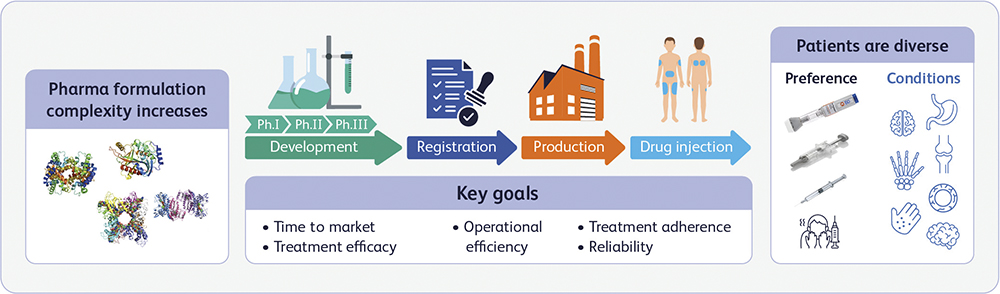
Figure 1: Key goals of drug development.
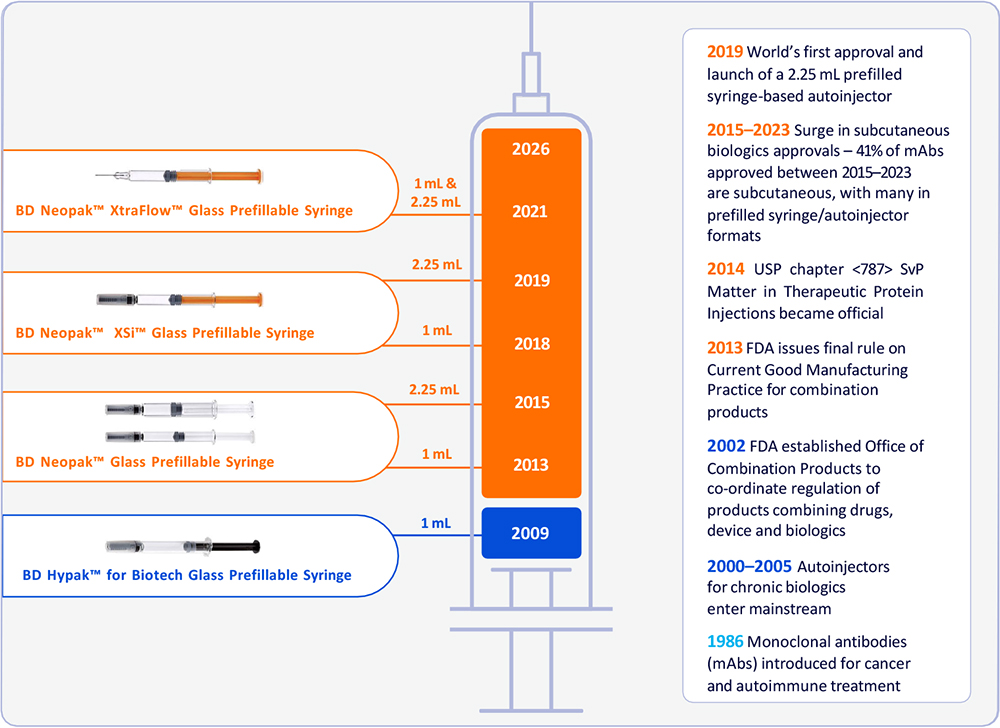
Figure 2: Timeline of BD syringe developments and industry milestones for biologic device combination products.
Since the launch of the BD Hypak™ Glass Prefillable Syringe in 1954 – the first mass-produced sterile glass disposable syringe – BD has played a central role in shaping the evolution of primary container technologies for injectable therapies (Figure 2). A pivotal milestone occurred in 2009 with the introduction of the BD Hypak™ for Biotech Glass Prefillable Syringe, specifically engineered to address emerging biologic-drug compatibility challenges. This is now considered an industry standard, with more than 7 billion units sold in the past decade. BD’s decades of experience, combined with extensive collaboration with pharmaceutical partners, revealed the need for a next-generation platform capable of supporting the continuously expanding and ever-evolving design space of biologics.
Introduced in 2013, the BD Neopak™ Glass Prefillable Syringe platform was purpose-built as a future-ready platform for SC biologics. Unlike legacy syringe formats, the BD Neopak™ Glass Prefillable Syringe is engineered as a modular platform architecture composed of “technology bricks” that serve distinct functional purposes and can be combined to serve emerging needs within the SC drug delivery design space. These technology bricks address some of the most pressing challenges facing biologic developers today, including drug-container compatibility, high-mass drug formulations and operational flexibility at commercial scale.
As the requirements for patients, molecules and combination product delivery ecosystems have continued to evolve, the BD Neopak™ Glass Prefillable Syringe platform has expanded accordingly. Technologies such as the BD Neopak™ XSi™ and BD Neopak™ XtraFlow™ have built upon the platform’s foundation to further reduce drug-device development risks and enable expanded design space flexibility that go beyond historical constraints.
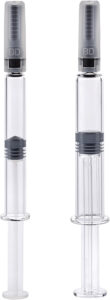
Figure 3: BD Neopak™ Glass Prefillable Syringe
1 and 2.25 mL.
THE BD Neopak™ GLASS PREFILLABLE SYRINGE PLATFORM: A FUTURE-READY FOUNDATION
Although a syringe may appear to be a simple solution, its performance depends on the precise interaction of many interdependent scientific and engineering domains. Understanding drug-container interactions requires deep expertise in materials science and chemistry. Consistent injection performance relies on controlled mechanics and a comprehensive knowledge of fluid dynamics. Manufacturability and process stability depend on robust industrial design and metrology. These disciplines do not traditionally operate in the same space, yet they must converge seamlessly to produce a primary container that performs reliably across a wide range of biologic formulations and delivery conditions.
“THIS FOUNDATION REFLECTS A DELIBERATE EFFORT TO ENGINEER A SYRINGE PLATFORM CAPABLE OF DELIVERING HIGHLY REPEATABLE AND PREDICTABLE PERFORMANCE, AT SCALE.”
The BD Neopak™ Glass Prefillable Syringe platform was designed to bridge these domains, translating theoretical principles into practical, reproducible outcomes. The BD Neopak™ Glass Prefillable Syringe (Figure 3) was developed by following a quality-by-design approach to achieve excellent product performance attributes, aiming at Six Sigma level quality. This foundation reflects a deliberate effort to engineer a syringe platform capable of delivering highly repeatable and predictable performance, at scale. The BD Neopak™ Glass Prefillable Syringe manufacturing process incorporates tightened specifications,* automated visual inspection, strengthened dimensional controls* and fully indexed manufacturing lines, ensuring no glass-to-glass contact. These process controls were built to help reduce rejection rates and de-risk the transition from clinical development to manufacturing at scale.
Managing drug-container interactions is another central pillar of the BD Neopak™ Glass Prefillable Syringe platform. Compared with small-molecule drugs, biologics may face additional challenges due to their inherent susceptibility to physical and chemical degradation.1
Developers must also address various regulatory expectations related to extractables and leachables, particulate control and material compatibility. To support these needs, the BD Neopak™ Glass Prefillable Syringe portfolio includes low and ultra-low tungsten options, low-silicone variants and robust controls designed to reduce extractables and leachables, all intended to safeguard sensitive biologic formulations and maintain a stable drug-container interface.
Equally important is the platform’s ability to ensure reliable secondary device integration. Prefilled syringe-based autoinjectors have become foundational to the self-administration of biologics, and the BD Neopak™ Glass Prefillable Syringe platform is designed to support reliable compatibility with autoinjectors, with robust specifications for length-under-flange and length-under-shoulder to enable predictable autoinjector fit and functionality.
Together, these elements establish the BD Neopak™ Glass Prefillable Syringe platform as a robust foundation for SC biologic delivery. With more than 45 drugs approved across global markets, its adoption demonstrates performance across diverse molecules, delivery systems and therapeutic areas. As SC biologic therapies continue to move towards higher viscosities, larger fill volumes and increasingly complex and sensitive formulations, its technology bricks play an essential role in expanding the design space for next-generation combination products.
ENABLING HIGH-MASS DOSE DESIGN
The evolution of the SC biologics development pipeline has been marked by an increase in the required mass of doses, driven by larger fill volumes, higher drug concentrations, increasing viscosities or an exponentially linked combination of these factors.2 These expanding requirements have placed new demands on primary container systems, which must enable efficient drug delivery while preserving patient usability and maintaining reliable device performance.
Originally established as a 1 mL platform, the BD Neopak™ Glass Prefillable Syringe platform was subsequently expanded in 2015 to include a 2.25 mL format, enabling higher-volume SC delivery. This expanded design space supports emerging therapies while maintaining the precision, manufacturability and drug-container and secondary device compatibility that define the BD Neopak™ Glass Prefillable Syringe platform foundation.
However, as biologic formulations have become increasingly concentrated and viscous, volume expansion alone is no longer sufficient. Higher concentrations and viscosities have introduced challenges related to injection forces and injection times, potentially impacting patients’ acceptance and experience. In response, BD introduced the BD Neopak™ XtraFlow™ Glass Prefillable Syringe as a technology brick designed to expand the high-mass-dose design space beyond what standard syringe and cannula offerings could support.
“FOR A 30 cP VISCOSITY, THE BD NEOPAK™ XTRAFLOW™ MAY ALLOW FOR AN UP TO 46% REDUCTION IN INJECTION FORCE AND UP TO 57% REDUCTION IN INJECTION TIME.”
The BD Neopak™ XtraFlow™ Glass Prefillable Syringe combines an 8 mm needle length and thinner-wall cannula technologies, introducing ultra- and extra-thin wall offerings. This combination offers a solution to balance injection force, time, volume and viscosity requirements without requiring patient experience trade-offs.3 For a 30 cP viscosity, the BD Neopak™ XtraFlow™ may allow for an up to 46% reduction in injection force and up to 57% reduction in injection time.† In a human factors study, the BD Neopak™ XtraFlow™ Glass Prefillable Syringe was found to reduce needle-related anxiety in patients and demonstrated a positive impact on the patient experience for self-injecting patients with chronic diseases.3
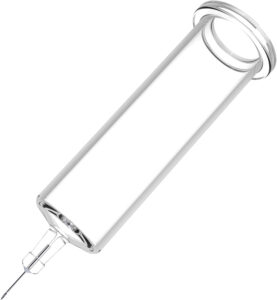
Figure 4: BD Neopak™ XtraFlow™ 5.5 mL Glass Prefillable Syringe.
To expand this design space even further, BD has recently introduced the BD Neopak™ XtraFlow™ 5.5 mL Glass Prefillable Syringe (Figure 4), designed for large-volume (> 2.25 mL) SC injections. Building on the same BD Neopak™ XtraFlow™ Glass Prefillable Syringe platform architecture, this 5.5 mL format is intended to support higher-volume, higher-viscosity biologics and further enhance large-volume autoinjector systems by maximising flow efficiency and reducing injection time** – critical factors within the emerging large-volume SC delivery design space.
DRUG-CONTAINER COMPATIBILITY
Biologic formulations are inherently sensitive to their container environment, and even small interactions between the drug and its primary container can affect stability, particle formation and patient safety.1 Sources of incompatibility in Prefillable syringes are well documented, and they can present risks for protein aggregation or elevated subvisible particle levels. As biologics become increasingly complex, maintaining control over these interactions has been an essential design requirement for primary container systems.
“THE BD NEOPAK™ XSi™ GLASS PREFILLABLE SYRINGE TECHNOLOGY INTRODUCES A CROSS-LINKED SILICONE COATING TO THE PLATFORM SYRINGE TO ACT AS A BARRIER TO SILICONE EMULSIFICATION, THEREBY REDUCING SILICONE OIL MIGRATION FROM THE BARREL.”
The BD Neopak™ XSi™ Glass Prefillable Syringe technology brick is designed to address the interaction between the drug and silicone oil within the syringe barrel. Traditional silicone-oil-based lubricants can, under certain conditions, lead to silicone droplet migration or destabilisation of sensitive proteins.4,5 The BD Neopak™ XSi™ Glass Prefillable Syringe technology introduces a cross-linked silicone coating to the platform syringe to act as a barrier to silicone emulsification, thereby reducing silicone oil migration from the barrel. This technology has demonstrated significantly fewer subvisible particles while maintaining the functional performance needed for reliable injections.6
Beyond subvisible particle control, the improved coating stability also supports drug-container compatibility during long-term storage. In controlled studies, the BD Neopak™ XSi™ Glass Prefillable Syringe maintained lubricant layer thickness and distribution more effectively than conventional silicone syringes over 12–24 months of refrigerated storage, yielding lower silicone migration and no adverse effects on monoclonal antibody stability profiles.6 This technology brick supports a more controlled and reliable interface between biologic formulations and their container systems, helping to reduce risk, enable and widen the formulation design space, and support the long-term stability required for sensitive biologic therapies.
WHAT NEXT?
To address the complexities and diversity across the global biologics pipeline, the BD Neopak™ Glass Prefillable Syringe platform was intentionally designed as a platform system composed of several technology bricks, shifting the primary container from a passive component to an active enabler of combination-product success. The development of these technology bricks, including BD Neopak™ XSi™ and BD Neopak™ XtraFlow™, has relied on extensive data generation, analysis and application across materials science, process engineering, performance characterisation and more.
Looking ahead, the next major transformation shaping the pharmaceutical industry is artificial intelligence (AI). As the ecosystem advances into the era of Pharma 4.0™,7 success will depend on the ability to use data not only to meet rising regulatory expectations, but to drive continuous improvement, operational excellence and deeper process understanding. The challenge is not data availability. Fill-finish operations already generate vast volumes of information across manufacturing, inspection, assembly and packaging. The challenge lies with data fragmentation as – too often – data remain confined within isolated systems, limiting their potential value.
To address this gap, BD has developed the BD iDFill™ Individual Syringe Identification technology (Figure 5), which extends the role of a prefillable syringe beyond its physical function as a drug container into a digital enabler. BD iDFill™ enables end-to-end connectivity across fill-finish operations, from syringe manufacturing, through filling, visual inspection and ultimately all the way to the patient. By linking these separate data streams, the BD iDFill™ Individual Syringe Identification establishes a trusted, connected data backbone that supports unit-level traceability while remaining fully aligned with global regulatory expectations.
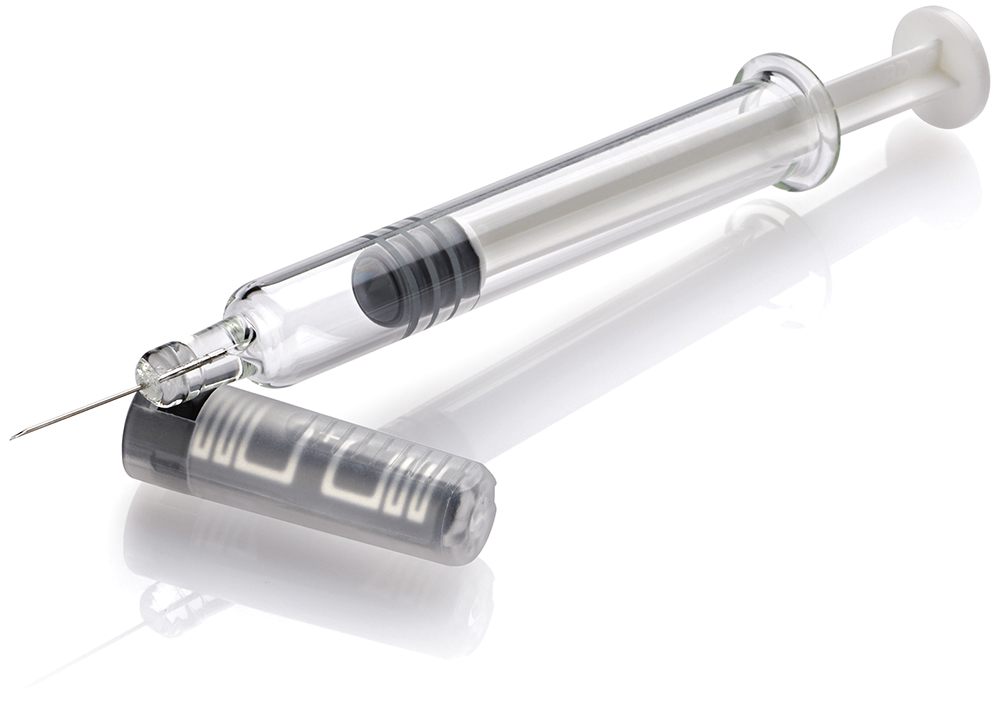
Figure 5: BD iDFill™ Individual Syringe Identification with the BD Neopak™ 1 mL Glass Prefillable Syringe.
This integrated approach may unlock new opportunities to reduce manual work, improve root-cause analysis and accelerate data-driven decision making, which may translate to enhanced overall equipment effectiveness and reduced exposures to manufacturing risks. Over time, such connectivity lays the groundwork for advanced analytics and AI-enabled insights to be applied at scale, supporting predictable quality and more resilient supply chains.
In this context, the BD Neopak™ Glass Prefillable Syringe platform continues to evolve beyond physical design innovation alone. The combination of a robust, modular syringe foundation with data-driven enablement tools reflects a broader shift towards smarter, more connected primary container platforms that are designed to meet today’s biologic delivery challenges and anticipate those of tomorrow.
REFERENCES
- Sarvepalli S et al, “A Review on the Stability Challenges of Advanced Biologic Therapeutics”. Pharmaceutics, 2025, Vol 17(5), art 550.
- Badkar AV et al, “Subcutaneous Delivery of High-Dose/Volume Biologics: Current Status and Prospect for Future Advancements”. Drug Des Devel Ther, 2021, Vol 15, pp 159–170.
- Pager A et al, “User experience for manual injection of 2 mL viscous solutions is enhanced by a new prefillable syringe with a staked 8 mm ultra-thin wall needle”. Expert Opin Drug Deliv, 2020, Vol 17(10), pp 1485–1498.
- Moll F, Bechtold-Peters K, Friess W, “The silicone depletion in combination products induced by biologics”. Eur J Pharm Biopharm, 2024, Vol 203, art 114418.
- Probst C, “Characterization of Protein Aggregates, Silicone Oil Droplets, and Protein-Silicone Interactions Using Imaging Flow Cytometry”. J Pharm Sci, 2020, Vol 109(1), pp 364–374.
- Depaz RA et al, “Cross-linked silicone coating: a novel prefilled syringe technology that reduces subvisible particles and maintains compatibility with biologics”. J Pharm Sci, 2014, Vol 103(5), pp 1383–1393.
- “Pharma 4.0™”. Web Page, ISPE, accessed April 2026.
†With BD Neopak™ XtraFlow™ 27G 8 mm ultra-thin wall syringe when compared with a 12.7 mm 27G special thin-wall syringe. Ejection force and injection time values were simulated through a mathematical model based on the Hagen-Poiseuille equation. For injection time reduction, a constant force was defined. For injection force reduction, a fixed time was defined. *As compared with BD Hypak™ for Biotech Glass Prefillable Syringe. **When compared with 12.7 mm special thin wall needle. BD Neopak™ XtraFlow™ 5.5 mL Glass Prefillable Syringe and BD iDFill™ Individual PFS Identification are products in development. Some statements are forward-looking and are subject to a variety of risks and uncertainties. BD, the BD Logo, Hypak, Neopak, XSi, XtraFlow, and iDFill are trademarks of Becton, Dickinson and Company.