INJECTION
DUAL CHAMBER
FORMULATION
PFS
WEARABLES
ALL INJECTION
OCULAR
ORAL
RESPIRATORY
PULMONARY
NASAL
ALL RESPIRATORY
SKIN
SUSTAINABILITY
MORE
INTERVIEWS
EXPERT VIEWS
EARLY INSIGHTS
COMPANY LISTINGS
OUR AUTHORS
THE MAGAZINE
EVENTS
ED CALENDAR
MEDIA PACK
CONTRIBUTE
Subscribe
INJECTION
DUAL CHAMBER
FORMULATION
PFS
WEARABLES
ALL INJECTION
OCULAR
ORAL
RESPIRATORY
PULMONARY
NASAL
ALL RESPIRATORY
SKIN
SUSTAINABILITY
MORE
INTERVIEWS
EXPERT VIEWS
EARLY INSIGHTS
COMPANY LISTINGS
OUR AUTHORS
THE MAGAZINE
EVENTS
ED CALENDAR
MEDIA PACK
CONTRIBUTE
SEARCH
SEARCH
advanced search
Injectable Drug Delivery
120
Issue No #120 May/Jun 2021
May 28th, 2021
Download PDF
Issue 120 - May 2021
Inside the magazine
INJECTION
Bruno Morchain
Aptar Pharma
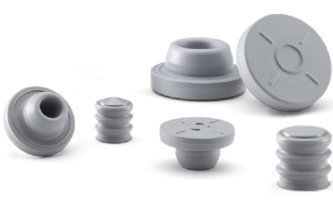
ENSURING FUNCTIONAL PERFORMANCE AND REGULATORY COMPLIANCE OF ELASTOMER STOPPERS FOR MULTIPIERCING SITUATIONS
Bruno Morchain, Sébastien Cordier and Estelle Verger discuss a series of experiments conducted on Aptar Pharma’s PremiumCoat
®
vial stoppers to demonstrate their compliance with EU and US Pharmacopeia standards and their excellent performance in multipiercing situations
INJECTION
Markus Goldinger
SHL Medical
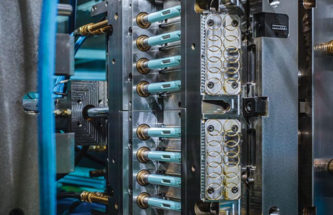
FROM PROCESS TO PRODUCT: OPTIMISING PROCESS DEVELOPMENT STRATEGIES FOR VARIABLE DRUG-DEVICE REQUIREMENTS
Markus Goldinger and Erik Alexandersson discuss the benefits to process development provided by SHL’s fully in-house, vertically integrated model, and how those benefits are applied throughout the process from initial design work to final assembly of the drug delivery device and primary container.
INJECTION
Dr Andreas Schneider
Ypsomed
TOWARDS USER-CENTRIC SPECIFICATION OF AUTOINJECTOR TECHNICAL ATTRIBUTES: INSIGHTS FROM EMPIRICAL WORK
Andreas Schneider discusses an empirical study into both users’ ability to remove the cap from an autoinjector and the difficulty those patients perceived in doing so. The study builds a quantitative model relating the empirical data to patient perception.
INJECTION
Dr Dave Seaward
3P Innovation
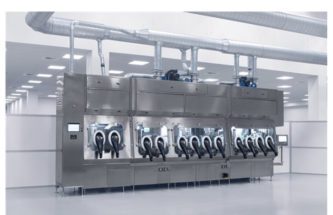
DRIVERS FOR CHANGE IN ASEPTIC AUTOMATION
Dave Seaward and David Phasey discuss the factors that have led to recent growth in aseptic automation within the pharmaceutical industry.
INJECTION
Anthony Vico
Stevanato Group
HOW TO ENSURE THE FUTURE DEMAND FOR BIOLOGICS CAN STILL BE DELIVERED BY INJECTABLES
Anthony Vico and Enrico Barichello discuss the demands that high-viscosity biologic formulations place on prefilled syringes, and how pharmaceutical companies can make the most of this growing market segment to deliver improved quality of life for patients.
INJECTION
Dr Radoslaw Romanczuk
Nemera
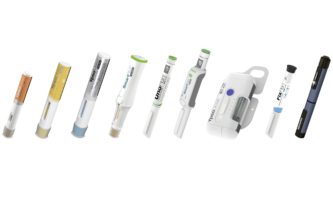
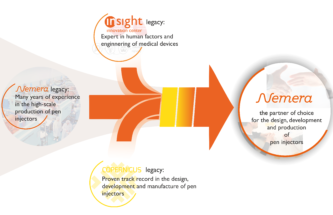
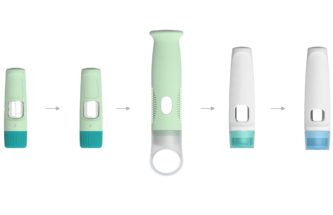
THE ADDED VALUE OF A PLATFORM APPROACH: PEN INJECTOR CASE STUDY
Radosław Romańczuk, Severine Duband and Audrey Chandra discuss the development of the company’s pen-injector platforms and how they are tailored to meet the customer’s needs.
FORMULATION
Caroline Zakrzewski
Cambridge Design Partnership
FORMULATION & DEVICE DEVELOPMENT: A SYMBIOTIC RELATIONSHIP
Caroline Zakrzewski considers the interaction between formulation and device development and the challenges that drive innovation in the field. Her work frequently sits in the overlap between formulation and device development, navigating the interwoven steps that lead to the sweet spot, where formulation and a device work in tandem, providing safe and effective delivery of the drug.
INJECTION
Asmita Khanolkar
SMC Ltd
PATIENT-CENTRICITY: THE IMPORTANCE OF HUMAN FACTORS IN THE PANDEMIC ERA
Marcus Agunloye and Asmita Khanolkar discuss how patient-centricity is at the heart of drug delivery device design and innovation, and how the global pandemic has highlighted the importance of patient-centric development in this field.
INJECTION
Miranda Newbery
HOW OWEN MUMFORD CARRIED OUT USABILITY TESTING UNDER COVID-19 RESTRICTIONS
Miranda Newbery describes working with Owen Mumford Pharmaceutical Services on usability testing for a platform autoinjector under covid-19 restrictions.
INJECTION
Benjamin Morel
Eveon
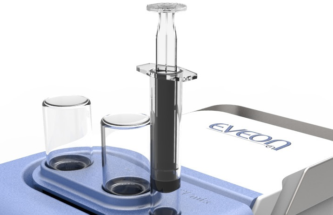
SAFE AND AUTOMATIC DEVICE TO IMPROVE DRUG PREPARATION FROM MULTIDOSE VIALS
Benjamin Morel and Claire Authesserre discuss the challenges and opportunities presented by multidose vials.
CONNECTIVITY
Bjarne Sørensen
Phillips Medisize
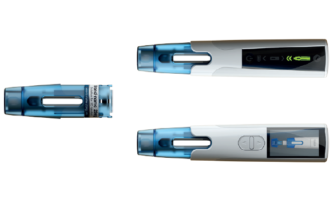
RE-USABLE ELECTRONIC AUTOINJECTOR – FLEXIBLE PERFORMANCE
Bjarne Sørensen discusses the ability of electronically driven injection devices to cater for a broad range of liquid drug properties within a single device platform.
EXPERT VIEW
Dr Andrew Donnelly
ADDRESSING THE CHALLENGES OF VISCOUS INJECTABLE ADMINISTRATION
Andrew Donnelly and Shahid Uddin look at the challenges of self-administration of injectable viscous formulations and the technology that is helping to overcome these issues.
WEARABLES
Claus Schmidt Moeller
SUBCUJECT WBI: LOW-COST, LARGER VOLUME, HIGH-VISCOSITY WEARABLE BOLUS INJECTOR – USING STANDARD GLASS PRIMARY PACKAGING
Claus Schmidt Moeller introduces the company’s wearable bolus injector for single use and discusses the advantages of the device.
OCULAR
Rainer Glockler
ten23 health
OPHTHALMIC DRUGS: PATHWAY TO OVERCOME PRIMARY PACKAGING AND DRUG PRODUCT MANUFACTURING CHALLENGES
Rainer Glöckler, Carole Delauney, Dr Nicolas Eon and Katsuyuki Takeuchi discuss the myriad complexities of developing drug products for intravitreal injection, and how the partnership between swissfillon and Terumo can ease and accelerate these products to market. The first article, published in April, covered how swissfillon’s state-of-the-art filling line meets the complex requirements of ophthalmic drug products.
INJECTION
Dr Matthias Bicker
SCHOTT Pharma
COMPARATIVE EXTRACTABLE STUDIES FOR INJECTABLES AND MEDICAL DEVICES ALIGNED WITH USP <1663> AND ISO 10993 GUIDELINES
Matthias Bicker, Michael Müller, Marc Mittermüller, Daniel Haines and Uwe Rothhaar discuss the regulatory requirements that need to be considered when designing an extractables and leachables study for a drug product or medical device. To illustrate the subject further, the authors provide two example studies, each following a different set of regulatory guidelines.
Top