To Issue 191
Citation: “Interview with Michael Earl and Steven Kaufman: Eco-Inject – Bringing Affordable Sustainability to Single-Use Disposable Autoinjectors”, ONdrugDelivery, Issue 191 (Oct 2026), pp 62–65.
Q What’s new for Eco-Inject in 2026 and, looking forward, what does the future look like for you?
ME 2026 is a pivotal year for Eco-Inject. The key ideas behind the company and our device have been brewing in the brilliant mind of John Palmer-Felgate for the last few years, and in January of this year, we completed an over-subscribed fundraising round to make it a reality. We’re now making steady progress towards finalising the design, definitive regulatory standards testing and putting industrialisation capacity into place to ensure device supply for clinical trials and commercialisation.
SK I think what’s new for Eco-Inject this year is the team of people that John has put together; everyone has a strong background in the industry, and that’s given us access to some of the best partners, as well as key biotech and pharma companies. The things that make Eco-Inject different have also really started to stand out. We won a Red Dot Award earlier this year and we’ve now been announced as a finalist for two CPHI Awards (Figure 1) – now, of course, awards are not the be-all and end-all, but they demonstrate that what we’re putting forward is resonating and that people are really starting to pay attention.
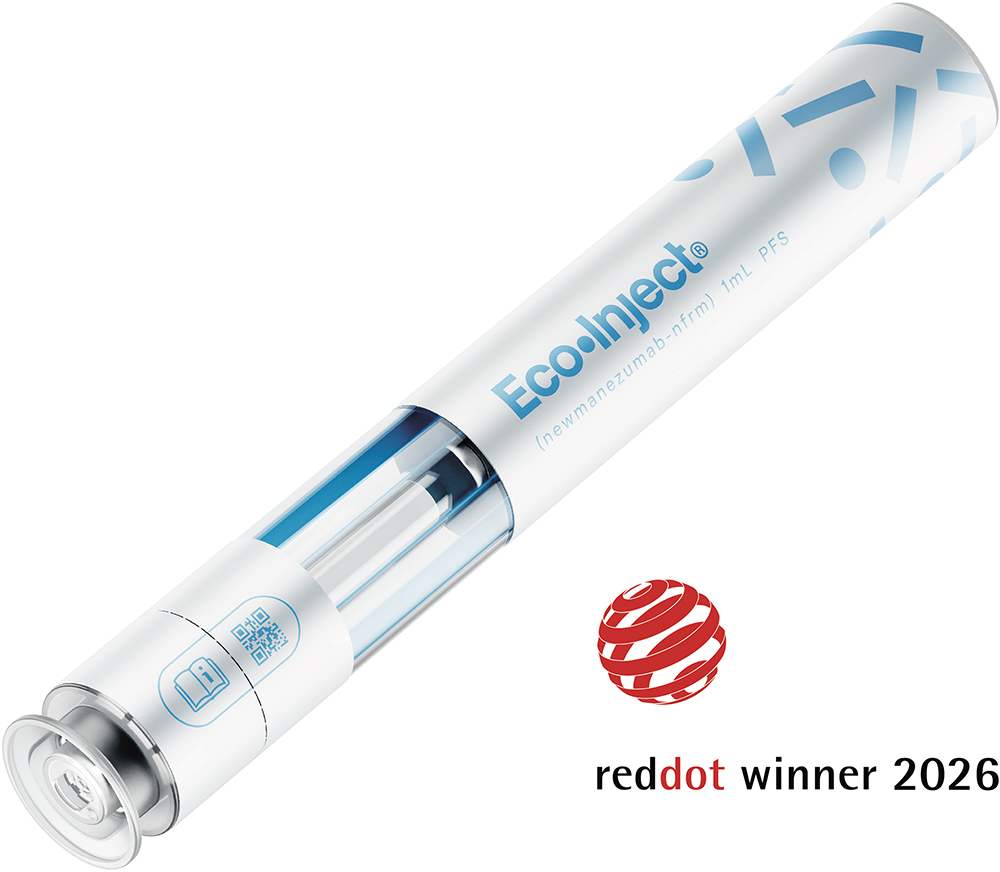
Figure 1: Eco-Inject won a Red Dot Award earlier this year and is up for further awards at CPHI 2026.
“PHARMA WANTS AN AUTOINJECTOR THAT’S COST EFFECTIVE, TECHNICALLY STRONG AND DOESN’T LOOK LIKE EVERY OTHER DEVICE ON THE MARKET TODAY. THAT’S WHAT WE’RE OFFERING WITH ECO-INJECT.”
Of course, there are some great devices out there – some of which Michael and I have been directly involved with – that are doing a terrific job for single-use disposable autoinjectors. But, when you look at Eco-Inject, it stands out from other products on the market. These days, more companies are saying that they want sustainability, but also that they don’t want to pay a premium for it. Pharma wants an autoinjector that’s cost effective, technically strong and doesn’t look like every other device on the market today. That’s what we’re offering with Eco-Inject.
Q Can you expand on the response you’ve received from the market since the launch of the Eco-Inject autoinjector?
ME To be clear, we’ve not yet started doing any major outreach across the industry – we’re still primarily focused on getting the product absolutely right. We want to be certain that when we say what we can do, not only do we know we can do it, but that we’ve got the data to back it up. That being said, we’ve already spoken to a significant cross-section of the industry, all the way from big pharma looking for future pipeline platforms to regional players that have significant positions in niche markets, and we’re finding that our device is really resonating. We’re in an encouraging position.
Steven and I have been involved in the drug delivery device space for a long time now, so we know where the friction points are when you’re trying to introduce something new to the market; if you think back 20 or 25 years to when the current market leaders were designed, nobody in their wildest dreams thought they’d be being manufactured in the volumes that they are today. It’s a similar thing with sustainability – we were talking about it back in the 2000s, but nothing like the degree to which we are now.
We have ensured that our design fits in with what the industry currently expects. Our device sticks to the classic two-step, single-use disposable autoinjector formula that millions of patients across the world are used to and expect. That way, there’s less friction for pharma companies and it also makes life easier from a regulatory perspective.
SK The market has changed a lot recently with the advent of glucagon-like peptide-1s (GLP-1s) and the great success they’ve seen. I think this shift can only be an advantage for us, with more patients better educated about using autoinjectors and pen injectors in general because either they or someone they know uses one. We’re now seeing the second and third waves of variations on GLP-1s and, as we get into the 2030s, we’re going to start seeing generics and biosimilars reaching the market, some of which could potentially be in an Eco-Inject autoinjector.
Q How would you describe the difference between Eco-Inject and other approaches to sustainable autoinjectors?
ME Put simply, it’s a combination of three things – our device is sustainable, single-use and affordable. There are biopolymers that could replicate current autoinjector designs, but if you want them to have the same structural properties as the oil-based polymers currently in use, it will be expensive. And while everybody wants to be green, nobody wants to pay for it. So, having something that’s of a similar cost to current options and fits in with established manufacturing methods is important.
John was able to achieve this by essentially starting from a blank sheet of paper. He started from the fact that used autoinjectors are biohazard waste and need to be incinerated at end-of-life. By burning oil-derived polymers, you’re adding to the carbon in the atmosphere by releasing carbon that was previously locked up in fossil fuels. Using a plant-based polymer means that you can follow exactly the same disposal path as current devices, creating a sustainable device platform for which nobody has to change their behaviour. To do it with biopolymers that are available at a reasonable cost, you have to design around the structural properties of those polymers.
What John has done with Eco-Inject is to design the device so that the strain of holding the spring under tension is largely taken by stamped metal parts, which massively opens up the materials design space to biopolymers that wouldn’t be able to handle that strain on their own. The metal from autoinjectors is routinely recovered during incineration anyway, so by using polymers where the carbon in them was captured from the atmosphere in the first place, you’re getting a dramatic decrease in the carbon footprint. We’re currently finalising the lifecycle analysis, and we’re excited about sharing the numbers – they’re impressive.
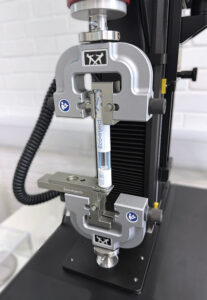
Figure 2: In-house testing for Eco-Inject.
Q Could you tell us more about how you’re handling testing and manufacturing?
ME Before I moved over to devices, I was in pharma and biopharma for decades, so I know from experience that they do not want to add any more risk into drug product development programmes than is absolutely necessary. With that in mind, we’ve made sure that all the testing equipment we’ve got both in-house and that we use with our partners all meets industry standards (Figure 2). For example, we’ve got Instron equipment installed in our facility for testing Eco-Inject with ISO-standard 1 mL long and 2.25 mL prefilled syringes and so far we’ve had no issues with any of them (Figure 3).
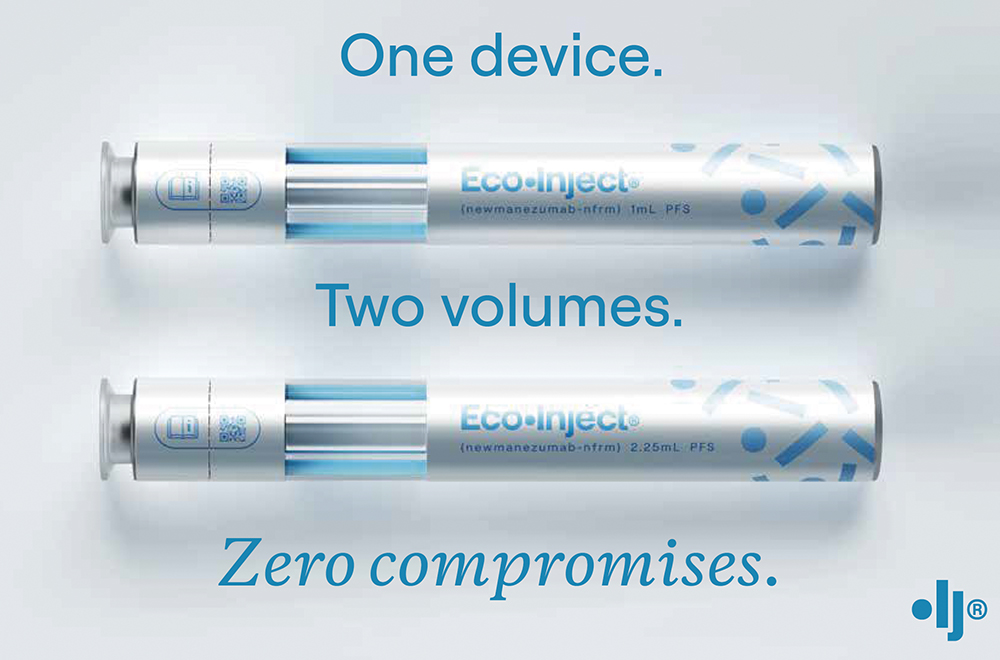
Figure 3: Eco-Inject is designed to work with both 1 mL long and 2.25 mL syringes within a single device.
John and his engineering support are close to finalising the commissioning of the assembly equipment as well. The equipment is all designed in-house, but uses all of the standard processes and components you’d see with any of the mainstream manufacturers. It’s a means of demonstrating that Eco-Inject has been designed so that it can be manufactured at very high speed, in very high volumes. We’ve already run a short experiment with it running at about 60 pieces per minute, which is ridiculous for the footprint of the manufacturing machine that we’ve got at the moment. We’re not expecting to get into the manufacturing equipment business; what we’re doing is showing that we can use standard assembly approaches and that Eco-Inject will fit right in with established processes.
Q Can you tell us more about the thinking behind the branding and the form factor of the device?
SK My MBA studies were in Marketing and International Business, so I love good branding. All our executives were actively involved in this process at the beginning of the year. We recently put in the work and investment to do a rebrand because we wanted not only the logo of the company but also the image to resonate with the industry, and you’re starting to see that come through in all our branding and materials. At the heart of it, it’s about making sure that our core messages are well-maintained – the sustainability aspect of Eco-Inject and everything else that comes with that.
Back from when I started in the industry, it surprised me that sample devices weren’t sent in proper packaging with proper labelling. It was a different world 20 years ago. Pharma and biotech companies are quite an experienced group, and they expect to see platform devices that can support them right away for clinical trials with minimal investment up front. A lot of companies now are saying they’d like to be clinic-ready in six to eight months. That used to be 12 to 18 months. We’re keeping that in mind so that we know exactly what the market expects, and hopefully our branding and our messaging are on point and give people a better understanding of what Eco-Inject stands for and what the executives are trying to put forward.
Q Are you able to give us any insight into the types of conversations that you’re currently having with the industry?
ME It’s a real cross-section. On the one hand, we’re talking with big pharma companies that are looking for a platform for their pipeline products that are coming through. As I’m sure your readers will know, for most big pharma companies, the majority of the products coming through are injectable, so we’ve seen a lot of interest there.
Alongside them we have a significant number of biosimilar companies who are looking to start semaglutide biosimilar programmes, for example. However, these companies are looking at the market and recognising that it’s significantly different to most other biosimilar markets because it’s so big, and that scale brings both sustainability problems and cost challenges. So we’re very well positioned there with a product that tackles both those issues.
“I THINK WHAT’S PIVOTAL TO OUR SUCCESS HERE IS THAT, WHILE IT’S GOOD TO HAVE SUSTAINABILITY AS AN OFFERING, IT’S GREAT TO HAVE IT PAIRED WITH A CLEVER DESIGN AND PROPER INTELLECTUAL PROPERTY PROTECTION.”
SK We’ve even got some big pharma and biotech companies looking at Eco-Inject and asking if there’s scope to adopt it as an internal platform. Most of those companies are already with the top echelon of autoinjector platform suppliers and they’re looking at Eco-Inject for a potential second-generation product, with the aim of boosting sustainability across multiple products. We’ve also been in conversations with small- and mid-sized companies that have a good product and a good pipeline, but they’re finding that they also need to present a very clear overview of their sustainability position for some of their tenders. And I think what’s pivotal to our success here is that, while it’s good to have sustainability as an offering, it’s great to have it paired with a clever design and proper intellectual property protection.
Q To close us out, if people want to meet with you during the upcoming conference season, where can they expect to find you?
ME We’re aiming to be at all the major events through to the start of 2027 (Figure 4). So, at the start of October, Steven and John will be in Palm Springs (CA, US) for PDA Universe, while Matt White, our Chief Executive Officer, and I will be in Milan (Italy) for CPHI. I’m also going to be at PODD in Boston (MA, US) at the end of October. Steven will be there as well. Then the whole team will be back together in Paris (France) for Pharmapack at the start of next year. Outside of conferences, we welcome people to contact either of us directly. We’re reasonably well known throughout the industry, and of course there’s our contact page on the Eco-Inject website. We’re looking forward to a very productive remainder of 2026 and hope to see many new and familiar faces over the coming months.
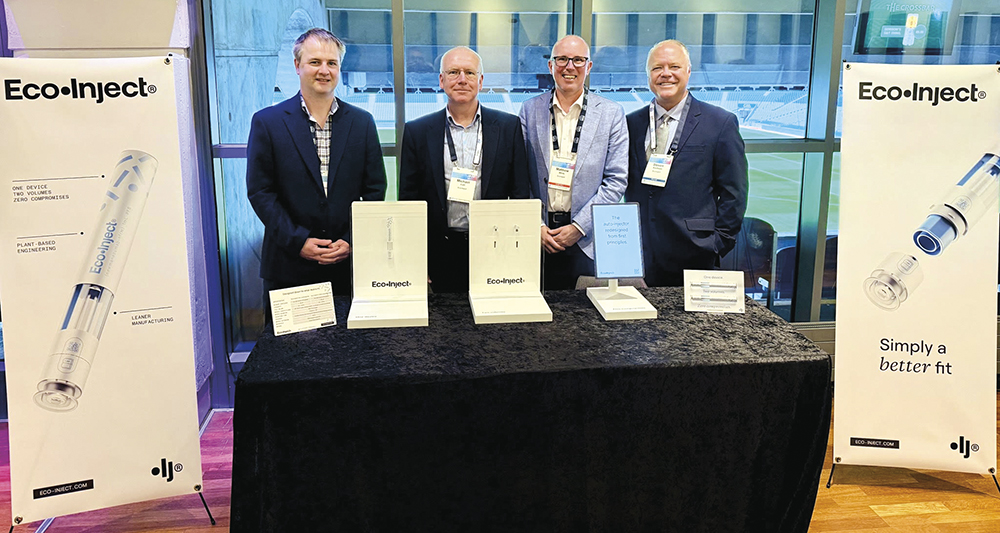
Figure 4: The Eco-Inject team looks forward to meeting colleagues throughout the upcoming 2026–2027 conference season.
SK Our goals for the rest of the year are straightforward. We will lock in production with our contract manufacturing partners to establish work cells that provide installed capacity in the millions, supported by our sub- and final-assembly equipment. We will work with partners such as Instron, Cormica (London, UK) and Gessnet (El Dorado Hills, CA, US) to ensure that our testing, quality and regulatory systems are at the expected level. And, perhaps most importantly, we will be providing sample devices this year as well as running feasibility studies with the target of getting into clinical trials in 2027 with our biotech and pharma partners.