To Issue 188
Citation: McCormick D, Condouret C, “Lyophilisation Vials: Quick and Effective Solutions to Reduce Fogging”, ONdrugDelivery, Issue 188 (Jul 2026), pp 58–63.
Diane McCormick and Clément Condouret discuss lyophilisation fogging, explaining its negative downstream effects and presenting NIPRO PharmaPackaging’s thermal treatment, VIALEX™, to minimise this issue.
Today, around half of all biopharmaceuticals and about 40% of all parenteral medications rely on freeze drying as a critical part of their manufacturing process (Figure 1). With this widespread use comes a major challenge – the freeze-drying process must accommodate an ever increasing diversity of complex formulations. New excipients, new drug modalities and higher product sensitivities all add layers of complexity.
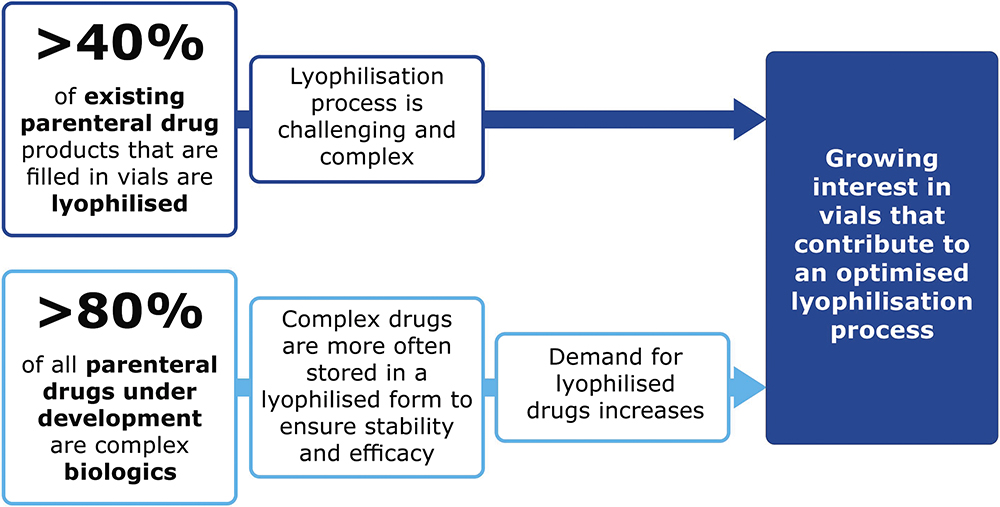
Figure 1: A growing need for lyophilisation.
“ONE OF THE MOST PERSISTENT AND CHALLENGING PHENOMENA ENCOUNTERED IN LYOPHILISATION IS VIAL FOGGING, ALSO REFERRED TO AS LYOPHILISATION FOGGING.”
VIAL FOGGING: A CONTINUOUS CHALLENGE DURING THE LYOPHILISATION PROCESS
One of the most persistent and challenging phenomena encountered during the lyophilisation process is vial fogging, also referred to as lyophilisation fogging (Figure 2). This phenomenon not only affects aesthetics, it can directly impact manufacturing performance and quality control. Vial fogging increases reject rates during final camera-based inspection, reducing overall equipment efficiency and, in critical cases, compromising container closure integrity.
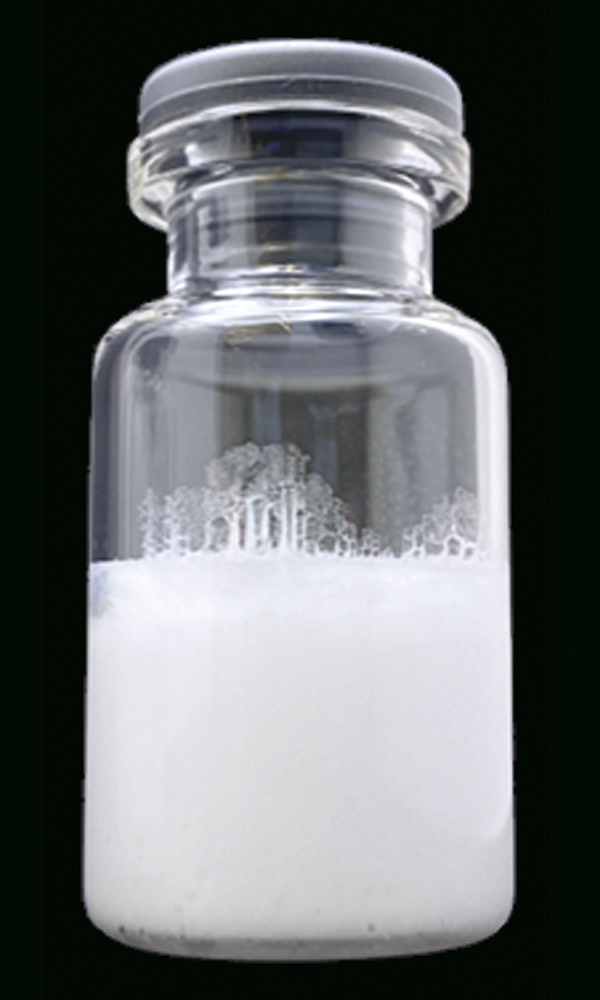
Figure 2: Vial/lyophilisation fogging.
Occurrence of Lyophilisation Fogging During the Freeze-Drying Process
A closer look at the lyophilisation process helps to understand where and how vial fogging occurs (Figure 3).
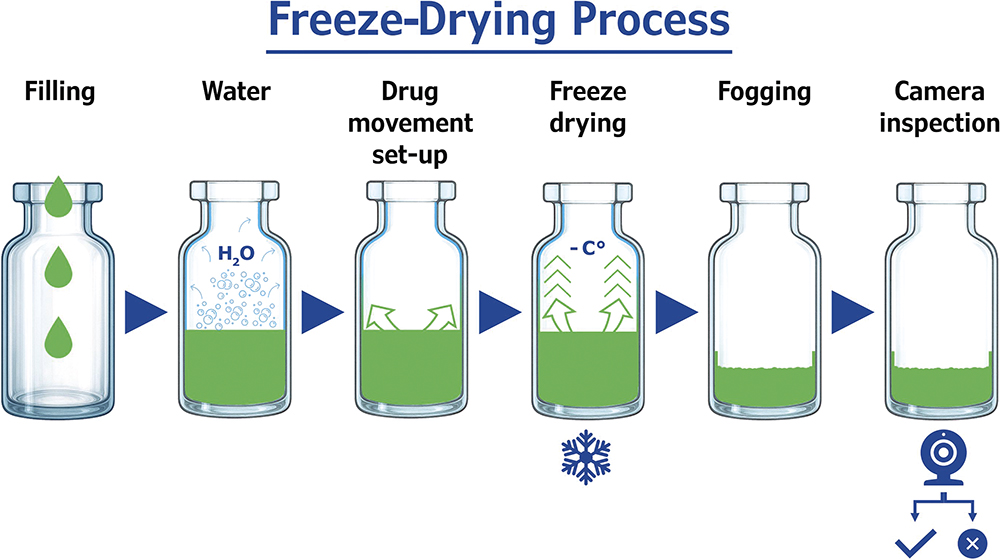
Figure 3: The freeze-drying process.
Step 1: Filling
The vial is filled with the drug product in liquid formulation. This formulation typically contains several excipients in addition to the API. Many of these components reduce the surface tension of the liquid, which plays a crucial role later in the process.
Step 2: Water Evaporation
Immediately after filling, a small amount of water from the formulation begins to evaporate. This evaporated water condenses and deposits on the inner walls of the vial, forming a thin film.
Step 3: Marangoni Flow Setup
At this stage, two liquids co-exist: the drug formulation with lower surface tension and the condensed water with higher surface tension. This contrast creates ideal conditions for Marangoni flow, causing the drug product to begin moving up the inner wall of the vial.
Step 4: Freeze Drying
During freeze drying, the temperature at the vial wall differs from the temperature at the centre of the vial. This temperature gradient then further increases the surface tension gradient, intensifying the Marangoni effect, so the drug product continues to travel up the wall. At this stage, the product on the wall remains invisible because it has not yet dried.
Step 5: Vial Fogging
Once the freeze-drying cycle is complete, the product deposited on the wall dries. Only then does it become visible, appearing as a cloudy, fog-like residue – vial fogging.
Step 6: Impact on Visual Inspection
Once fogging appears, automated visual inspection systems struggle to distinguish it from true defects. As a result, acceptable vials may be rejected, leading to increased scrap rates and unnecessary loss of valuable API.
PRIMARY APPROACHES TO MITIGATE LYOPHILISATION FOGGING
Approach One: The Formulation
This approach focuses on reducing the difference in surface tension between the condensed water and drug formulation. This can be achieved by removing or reducing surfactants or by modifying the formulation, such as by selecting different lyoprotectants or excipient combinations.
However, this approach has a major limitation: vial fogging is often identified late in the drug development phase, when the formulation is nearly finalised. At this stage, changes are difficult to implement and may require further costly stability studies and regulatory assessments. For this reason, formulation changes are rarely the preferred solution.
Approach Two: The Vial
This approach aims to prevent the formation of the water layer during the filling process. One method is applying a coating to the inner surface of the vial to ensure that the surface is hydrophobic. However, coated vials typically require additional regulatory documentation and validation, lengthening project timelines and increasing complexity.
A more straightforward option is the NIPRO thermal treatment (Figure 4). This treatment creates a hydrophobic inner surface without adding any external material. It is a fast, simple and effective solution that avoids regulatory complications while strongly mitigating vial fogging.
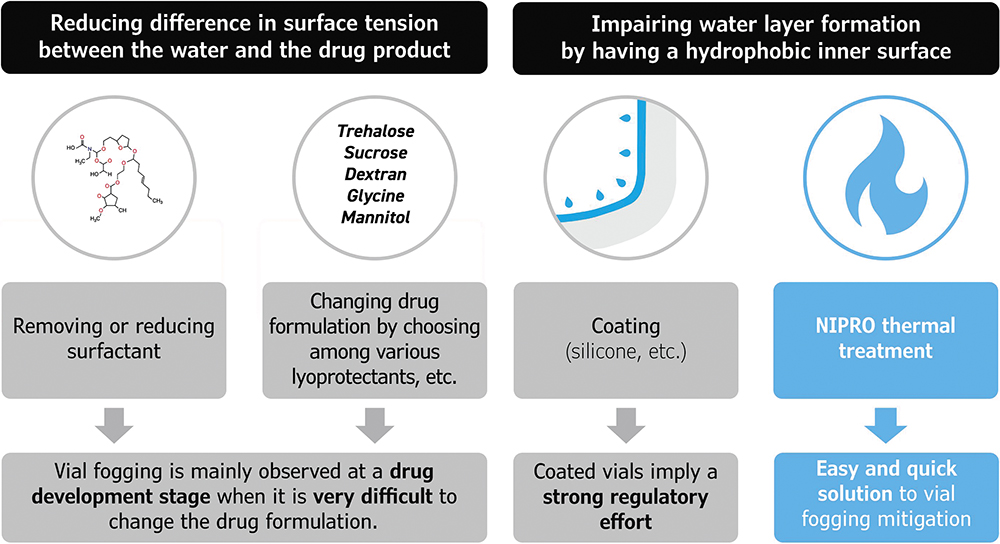
Figure 4: NIPRO’s thermal treatment solution to mitigate vial fogging.
“NIPRO APPLIES A PROPRIETARY THERMAL TREATMENT (VIALEX™) TO THE INNER SURFACE OF THE GLASS VIAL WITHOUT USING ADDITIONAL MATERIALS SUCH AS A COATING. THIS REQUIRES NO CHANGE TO THE GLASS CHEMISTRY – MANUFACTURERS CAN CONTINUE USING STANDARD TYPE I BOROSILICATE GLASS.”
NIPRO’S PROPRIETARY SOLUTION FOR REDUCING VIAL FOGGING
NIPRO applies a proprietary thermal treatment (VIALEX™) to the inner surface of the glass vial without using additional materials such as a coating. This requires no change to the glass chemistry – manufacturers can continue using standard Type I borosilicate glass. A 100% inline thermal inspection process confirms that the treatment has been conducted properly and the resulting inner surface is comparable with that of glass tubing or moulded vials. As a result, the vials feature:
- Low levels of extractables and leachables
- Reduced surface alkalinity
- Enhanced chemical durability
- A more hydrophobic inner surface.
his can lead to:
- Significantly less lyophilisation fogging
- Reduced container-drug product interactions
- Lower pH shift
- Reduced risk of glass delamination.
To explain further, vial fogging is typically considered a cosmetic defect of the lyophilisation cake. In severe instances, when fogging extends into the neck region of the vial, it may compromise seal integrity and thus drug properties. This phenomenon is related to interfacial energy between the glass, liquid and gas interfaces. A hydrophobic vial surface has been shown to reduce these interactions and mitigate fogging.
NIPRO Lyophilisation Vials: Tested by an External Laboratory
The benefits of NIPRO lyophilisation vials were demonstrated in a 2025 case study, conducted at LyoHub, a research facility at Purdue University (West Lafayette, IN, US).1 This study aimed to reproduce a typical vial fogging situation using demanding freeze-drying conditions with typical test solutions.
Three sets of vials were selected to evaluate the effect of inner surface hydrophobicity on fogging during the lyophilisation process (Table 1). All vials were 10R/10 mL Type I borosilicate glass with a thermal expansion coefficient of 51 × 10-7 K-1.
| Vial | Type |
| Vial 1 | Standard |
| Vial 2 | Altered geometry |
| Vial 3 | Altered geometry with thermal treatment |
Table 1: Vial selection for fogging study.
Each vial was washed according to USP <660> and filled at room temperature with 3 mL of a model formulation:2
- 4% (w/v) mannitol
- 2% (w/v) sucrose
- 1.55 mg/mL histidine
- 0.1 mg/mL polysorbate 80 (PS80)
- 5 mg/mL pyranine (fluorescent tracer).
This was followed by a regular freeze-drying cycle, performed in a MicroFD system (Table 2).
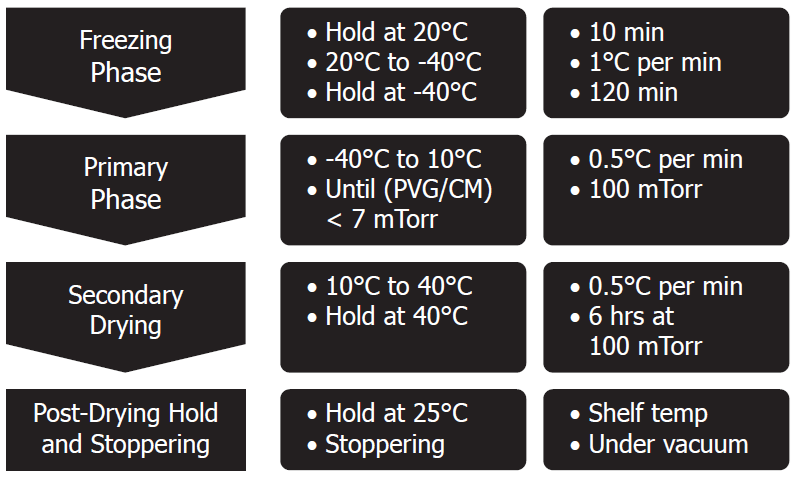
Table 2: Freeze-drying outline as part of vial fogging study.
Surface Free Energy
Droplets were measured using a DSA25 Basic Device (KRÜSS, Hamburg, Germany). The surface energy of each material was determined using Owens-Wendt-Rabel-Kaelble method:3

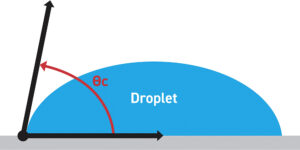
Figure 5: Measuring the contact angle of two liquids to calculate surface energy.
Using this model, the surface energy of a material can be calculated by measuring the contact angles of two liquids, a polar liquid (water) and a non-polar liquid (diiodomethane), as shown in Figure 5.
Surface energy depends on both vial geometry and inner surface condition, so a smaller contact angle means stronger attraction to liquids and hydrophilic behaviour and a larger contact angle means lower attraction and hydrophobic behaviour. Vials 2 and 3 showed reduced surface energy, confirming the effect of surface treatment and geometry (Figure 6).
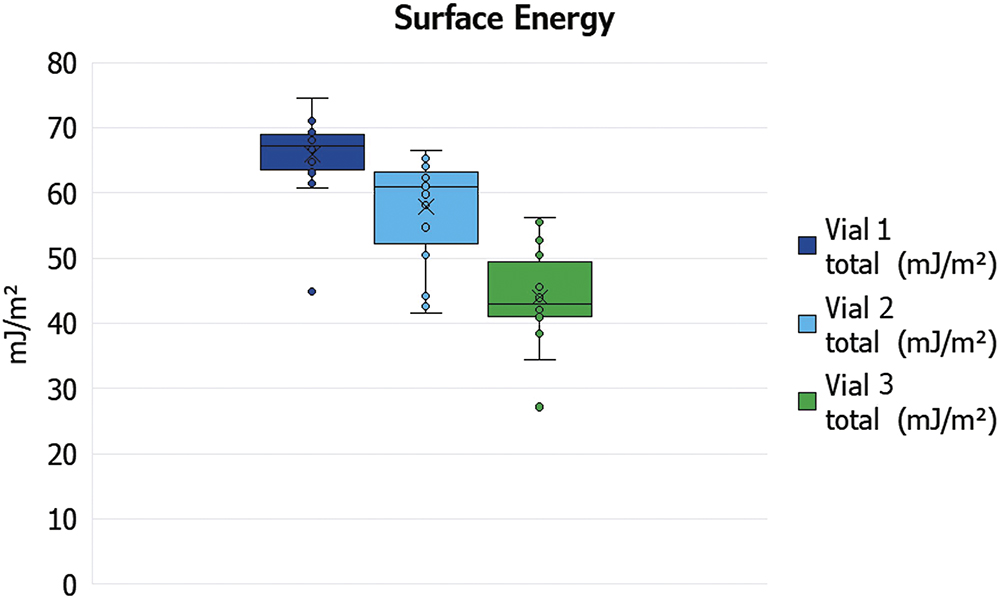
Figure 6: Surface energy calculated for each vial.
Fogging Data
Fogging was assessed using a scoring system (Figure 7 & Table 3):
- No fogging: 0 points
- Light fogging: 1 point
- Moderate fogging: 2 points
- Critical fogging: 3 points.
| Vial | No Fogging | Light Fogging | Moderate Fogging | Critical Fogging | Fogging Score |
| Vial 1 | 0 | 0 | 3 | 50 | 156 |
| Vial 2 | 0 | 6 | 26 | 18 | 112 |
| Vial 3 | 16 | 22 | 11 | 1 | 47 |
Table 3: Fogging score for tested vials.
“APPLYING THIS SURFACE THERMAL TREATMENT TO NIPRO’S LYOPHILISATION VIALS LOWERS THEIR SURFACE ENERGY, THEREBY REDUCING FLUID CREEP AND INHERENT FOGGING DURING THE LYOPHILISATION PROCESS.”
Vial 3 showed an approximately 70% reduction in its overall fogging score compared with a standard vial. These data demonstrate that applying this surface thermal treatment to NIPRO’s lyophilisation vials lowers their surface energy, thereby reducing fluid creep and inherent fogging during the lyophilisation process.
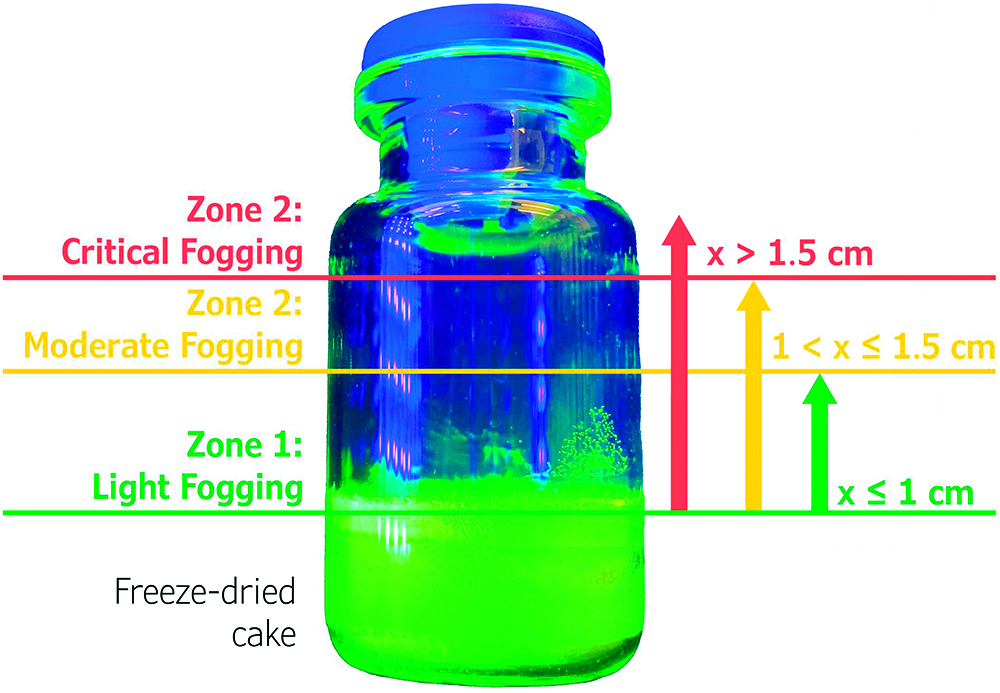
Figure 7: Measuring the severity of vial fogging.
NIPRO LYOPHILISATION VIALS: LESS FOGGING FOR AN EFFECTIVE LYOPHILISATION PROCESS
Existing lyophilisation vials feature a specific bottom geometry that supports heat transfer. NIPRO Type I borosilicate vials are further enhanced through a proprietary thermal treatment that requires no additional materials. This treatment reduces the sodium concentration at the glass surface and improves surface quality. As a result:
- The inner surface is restored and becomes more hydrophobic
- Marangoni flow is reduced
- Lyophilisation fogging is significantly decreased.
Performance improvements include:
- Up to 70% overall reduction in fogging
- Up to 98% reduction in critical fogging (previous studies have demonstrated an 85% reduction)
- Optimised bottom geometry that supports consistent and efficient heat transfer
- Improved overall equipment efficiency through reduced reject rates
- Easy implementation with no changes required to existing processes or materials.
With this treatment, NIPRO can improve the reliability of lyophilisation at a time where its demand continues to grow, de-risking the production of lyophilised drugs and permitting their smoother entry onto the market.
REFERENCES
- “Fogging Study: NIPRO-PURDUE Collaboration”. Research Summary Report, Purdue University & NIPRO, Jul 2025.
- “Introduction to Vial Fogging and Mitigation Strategies”. Webinar, Millrock Technologies, Mar 2022.
- Shu S et al, “Impact of surface energy and surface tension on vial fogging within lyophilized drug products”. Eur J Pharm Sci, 2025, Vol 207, art 107040..