
To Issue 193
Citation: DePalo J, “From Device Selection to Regulatory Approval: Accelerating the Next Generation of Intranasal Therapies”, ONdrugDelivery, Issue 193 (Nov 2026), pp 10–13.
Joseph DePalo discusses the increasingly diverse range of therapeutics that have the potential to be delivered nasally, delving into the offerings developed by Bespak in collaboration with other contract organisations that expand the possibilities of nasal drug delivery, as well as providing an integrated approach across device development.
Nasal drug delivery was once largely associated with locally acting treatments for relatively minor ailments such as congestion, nasal allergies and sinus infections. Today, the nasal route is being explored for systemic delivery for applications such as cardiac therapies, anaphylaxis and vaccinations, and increasingly for the treatment of central nervous system (CNS) disorders via potential nose-to-brain pathways.
That shift is opening new therapeutic possibilities, but it also raises the bar for what a nasal drug-device combination product needs to achieve. Different molecules and formulations have different device requirements, and the intended delivery target and therapeutic effect can place very different demands on where and how a formulation must be deposited within the nasal cavity. Patient anatomy and usability, delivered dose consistency, drug deposition, formulation stability and manufacturing constraints all need to be considered, with the choice of device being essential in addressing these factors.
As nasal applications become more diverse, the importance of selecting the right device is increasingly being reflected in the regulatory landscape. This means that a nasal drug delivery device can no longer be viewed simply as a mechanism for administering an otherwise complete drug product. Instead, it needs to be considered alongside the formulation, from the earliest stages of development.
The challenge is to connect the critical development decisions early enough to ensure that the formulation, device, performance, patient needs and regulatory requirements are aligned as the product progresses towards commercialisation.
For Bespak, a specialist CDMO focused solely on inhaled and nasal drug delivery, this is driving an integrated approach to intranasal drug development, helping customers to navigate the complexity of nasal drug delivery from early feasibility testing through to commercialisation.
AN INTEGRATED APPROACH TO INTRANASAL DRUG PRODUCT DEVELOPMENT
At every stage, from device selection and design through to regulatory submission and manufacturing, decisions need to be aligned in order to avoid delays, minimise risk and support successful development. Despite this, expertise is often spread across multiple suppliers, resulting in decisions being made in silos. Problems may then only emerge at a later stage, leading to devices that are not fully compatible with the final formulation or scale-up risks that have not been addressed early enough. Late changes can result in rework, delays and regulatory uncertainty.
This is why Bespak has entered a strategic collaboration with Upperton, a CDMO with specialist powder and liquid formulation development expertise, to provide an integrated pathway for the development and manufacture of nasal drug-device combination products. Upperton brings formulation development, analytical and clinical manufacturing expertise, while Bespak provides a robust device portfolio, alongside a track record of commercialising complex finished products.
“DEVELOPERS CAN ACCESS CO-ORDINATED SUPPORT ACROSS THE DEVELOPMENT JOURNEY, RATHER THAN MANAGING EACH ELEMENT INDEPENDENTLY, PROVIDING A BROADER VIEW OF THE CHALLENGES THAT NEED TO BE ADDRESSED AT EACH STAGE.”
Bespak’s services in collaboration with Upperton enable access to specialist nasal delivery technology provided by Bespak and its partners, such as proprietary soft mist technology from its joint venture, Resyca®, and a proven dry powder delivery device from Shin Nippon Biomedical Laboratories Ltd (SNBL), a contract research organisation based in Tokyo, Japan. With these capabilities connected, developers can access co-ordinated support across the development journey, rather than managing each element independently, providing a broader view of the challenges that need to be addressed at each stage.
MATCHING DEVICES TO FORMULATION AND PATIENT NEEDS
As intranasal therapies continue to evolve, developers need greater flexibility in selecting an approach that aligns with their molecule, formulation, therapeutic requirements and target patient profile. This is where Bespak’s broader nasal offering brings together its range of device technologies and the expertise needed to navigate integrated drug-device product development. Spanning liquid, dry powder and soft mist technologies across unit dose and multidose formats, the Bespak device portfolio gives developers a choice of established and novel platforms suited to different requirements, helping to provide a faster route to clinic.
At the heart of Bespak’s nasal drug delivery device portfolio is its novel NasaDose® platform, which is designed to deliver consistent spray performance with reduced sensitivity to user actuation (Figure 1). The platform can be customised to meet the requirements of different formulations and target populations, with specific nozzles to suit paediatric use available.
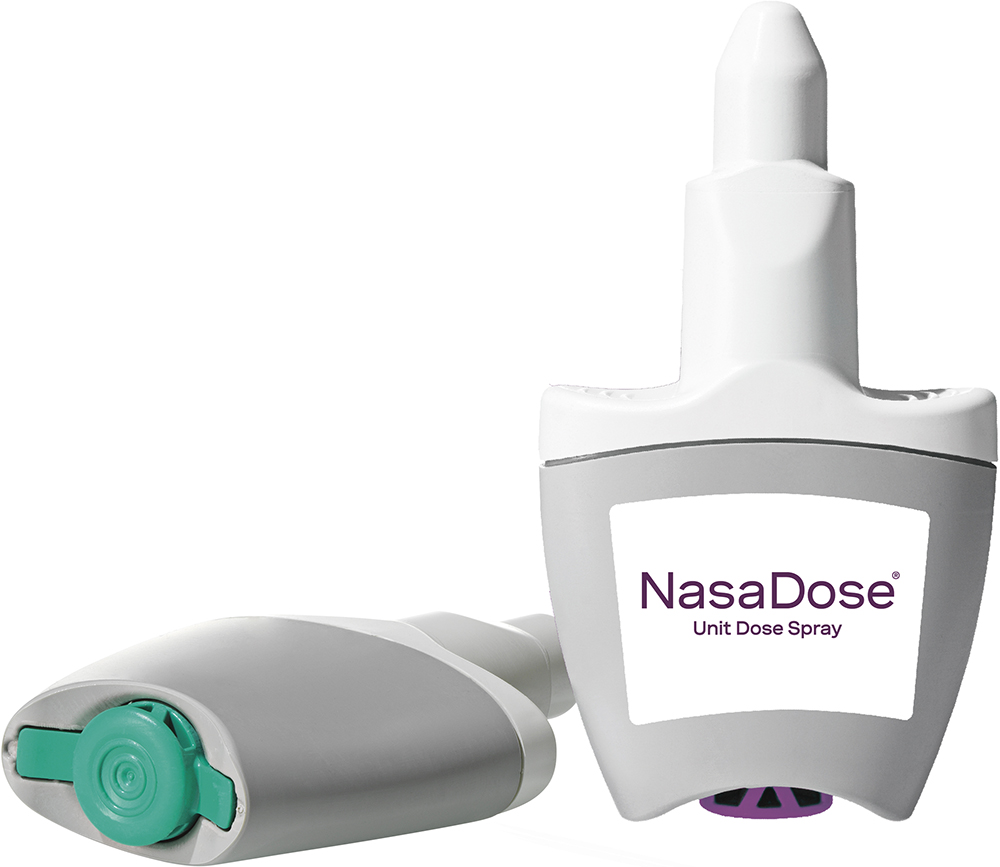
Figure 1: Bespak’s NasaDose delivery platform.
The platform uses a patented spring-powered mechanism in order to provide consistent actuation independent of the speed at which the user presses the device, or its orientation in use. NasaDose requires no priming and incorporates an ergonomic push-button design, as well as an audible click and button retraction providing feedback that the dose has been delivered. Differences in strength, dexterity and technique can introduce variability into manually actuated devices, so designing the mechanism to reduce the influence of these variables can support more consistent delivery, as well as ease of use.
Figure 2: NasaDose Ultra Soft Unit Dose Spray.
Soft mist technology offers a differentiated delivery approach. Through its joint venture Resyca, Bespak has access to proprietary soft mist spray technology that generates a fine, low-velocity aerosol, enabling gentle, low-shear aerosolisation, reproducible deposition and broad nasal coverage (Figure 2). This makes soft mist delivery particularly well suited to proteins, peptides, nucleotides and other sensitive molecules.
Resyca’s multidose Ultra Soft Nasal Spray platform is already progressing through late-stage clinical development. Building on this proven technology, Bespak’s latest addition to its nasal portfolio, NasaDose® Ultra Soft Unit Dose Spray, combines the established capabilities of the NasaDose platform with Resyca’s unique soft mist technology. Together, these multidose and unit-dose offerings expand the range of soft mist nasal delivery options available to developers, providing greater flexibility for complex nasal drug product development.
For dry powder applications, Bespak’s recently announced agreement with SNBL provides access to the US FDA-approved Air Pump Unit Dose Intranasal Powder device (Figure 3). The proprietary platform further expands the options available to developers working on novel intranasal therapies and exploring dry powder formulations. This collaboration pairs established device technology with manufacturing expertise from Bespak, as the chosen contract manufacturer responsible for filling and assembly of this FDA-approved product into the broader nasal offering.
Together, these platforms give developers greater choice at an early stage of product development.
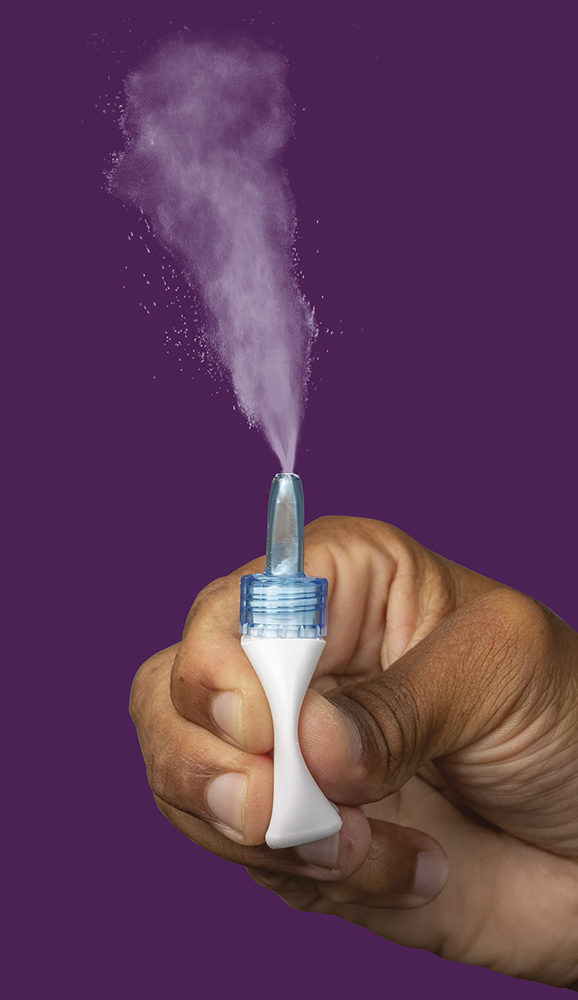
Figure 3: Air Pump Unit Dose Intranasal Powder device.
FROM DEVICE SELECTION TO OPTIMISATION
Selecting a platform is the starting point. The next challenge is to understand how it will perform in practice and identifying what needs to be optimised as the product progresses.
Bespak’s advanced computational fluid dynamics and in silico nasal modelling capabilities can provide insight into device performance before extensive physical testing begins. Modelling can help with exploring factors such as spray behaviour and deposition, highlighting design variables that may need further investigation and focusing subsequent testing.
“BESPAK’S INJECTION MOULDING ACADEMY PROVIDES SMALL-SCALE MANUFACTURING
CAPABILITY TO EVALUATE DESIGNS USING
REPRESENTATIVE PROCESSES AND IDENTIFY POTENTIAL MANUFACTURING COMPLEXITIES BEFORE INDUSTRIALISATION.”
Rapid prototyping and device optimisation capabilities then allow designs to be tested and refined efficiently. Bespak’s Injection Moulding Academy provides small-scale manufacturing capability to evaluate designs using representative processes and identify potential manufacturing complexities before industrialisation.
Leveraging commercially available primary packaging with device platforms designed to be tailored allows Bespak to engineer products around patients and customer requirements while maintaining manufacturability and scalability, creating a clearer path from an initial device concept to a commercially ready solution.
NAVIGATING THE NASAL REGULATORY LANDSCAPE
As the range of nasal therapies and delivery technologies expands, regulatory expectations are evolving alongside them. However, there is no single regulatory pathway for nasal drug delivery – the requirements that a developer must address can vary according to the intended application, delivery technology, formulation and patient population. For example, a product intended for local action will raise different regulatory considerations from one designed for systemic delivery or a nose-to-brain application.
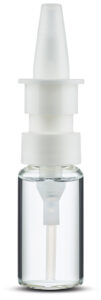
Figure 4:
Resyca Ultra
Soft Nasal
Pump Spray.
The formulation itself will also influence the evidence required during development. For liquid sprays, considerations can include spray characteristics, dose delivery and compatibility between the formulation, container and device, including extractables and leachables. For dry powders, particle size, moisture sensitivity and dose delivery performance will be important factors.
At the same time, regulators are placing increasing emphasis on the delivery device as part of the overall product. In the US for example, the FDA treats prefilled nasal sprays as combination products, meaning that the performance and characteristics of the delivery device are considered alongside the formulation (Figure 4).1 In parallel, Article 117 of the EU’s Medical Device Regulation introduces specific device requirements into the assessment of certain integral drug-device combination products, meaning that how a device delivers the formulation is an important part of understanding the complete product.2
“THE DEVICE NEEDS TO BE CONSIDERED NOT ONLY IN TERMS OF WHETHER IT CAN DELIVER THE FORMULATION, BUT ALSO IN RELATION
TO THE EVIDENCE REQUIRED TO DEMONSTRATE
CONSISTENT PERFORMANCE, SUITABILITY FOR THE INTENDED PRODUCT AND USABILITY FOR THE TARGET PATIENT POPULATION.”
This makes device selection an increasingly essential development decision. The device needs to be considered not only in terms of whether it can deliver the formulation, but also in relation to the evidence required to demonstrate consistent performance, suitability for the intended product and usability for the target patient population. Selecting and optimising the device early can therefore help to shape the wider development and regulatory strategy. Rather than treating the device as a component to be addressed later, successful development programmes consider the device, formulation and patient holistically, in terms of a single integrated product, from the beginning of development.
For developers, early access to the right team of experts can be especially important. Bringing regulatory, formulation, drug product manufacturing and device considerations together from the outset can help to shape an appropriate development strategy, identify potential requirements early and inform delivery technology decisions before significant development work has been committed. Bespak brings these considerations together through regulatory support tailored to the specific product, alongside expertise in formulation, device selection and manufacturing, helping developers to navigate the requirements of the complete product as it progresses towards market.
FROM BREAKTHROUGH TO MARKET
Nasal drug delivery is moving beyond its traditional role in locally acting treatments, opening opportunities for systemic therapies, vaccines and increasingly complex applications, including nose-to-brain delivery. As these opportunities grow, so does the challenge of developing products that are effective and suitable for regulatory approval.
For developers, successfully harnessing delivery opportunities requires more than just access to individual technologies or capabilities. It requires the ability to connect critical development decisions early, so that considerations can progress together.
For Bespak, this evolving landscape is driving a broader and more holistic approach to nasal drug delivery, bringing together device technologies, development expertise and manufacturing capabilities to support developers from early development through to commercialisation. Connecting these decisions early can help customers to navigate complexity, reach the market faster and, ultimately, bring promising nasal therapies to patients with greater certainty.
REFERENCES
- “Combination Product Definition”. Guidance for Industry, FDA, Feb 2018.
- 2. “Article 117 MDR and Integral Drug–Device Combinations”. BSI, 2026.