
To Issue 191
Citation: Oakley T, Bruggemann U, “Drug Delivery Devices Past and Future: A Retrospective on Innovation, Achievement and Hard Lessons”, ONdrugDelivery, Issue 191 (Oct 2026), pp 30–37.
Tom Oakley and Ulrich Bruggemann discuss the innovations that featured novel forms of drug delivery for patients, but either failed to succeed commercially or even reach the market.
The drug delivery device landscape is rich with brilliant ideas that never quite made it to patients or were launched but achieved limited commercial success. Some failed quietly in development. Others launched with fanfare only to be withdrawn. In all device categories, there are talented teams working to overcome past issues and launch better devices. Together, they form a fascinating catalogue of ambition, engineering ingenuity, patient focus, regulatory friction and market reality.
Below is a tour through the major categories of devices that have struggled to achieve their potential, explaining why they faltered and what their stories reveal about the future of drug delivery. This article was written in the spirit of learning from common challenges and educating the next generation of drug delivery pioneers. The teams behind these innovations often brought a wealth of talent and expertise.
Most of the device categories that are discussed here have involved individuals who are currently working hard to bring their devices to market or increase their market share if already on the market. Their merits or future chances of success are not discussed, rather, this is an opportunity to learn from experiences so that, together with peers across the drug delivery device ecosystem, the successful innovations can be maximised for patients to have access to devices that are increasingly effective, usable, safe and economical.
“NEEDLE-FREE INJECTION HAS BEEN A RECURRING DREAM FOR DECADES: PAINLESS, FAST, SHARPS-FREE AND POTENTIALLY SELF-ADMINISTERED. YET RELATIVELY FEW DEVICES HAVE MADE IT TO MARKET.”
NEEDLE-FREE INJECTORS: A PERENNIAL PROMISE THAT RARELY STICKS
Needle-free injection has been a recurring dream for decades: painless, fast, sharps-free and potentially self-administered. Yet relatively few devices have made it to market. Needle-free technology has achieved most of its success in the vaccine market where healthcare professionals administer the therapy.
Challenges
- Inconsistent Dose Delivery: Occurs especially with viscous biologics. Dose volume can be controlled, but jet geometry and penetration depth are strongly dependent on formulation viscosity.1 Most drug manufacturing systems control the concentration of the API or biologic. Viscosity can vary significantly because the curve of viscosity versus concentration tends to be steep and non-linear at high concentrations.
- Skin Variability: Age, hydration and anatomy all affect jet penetration.
- Pain Perception: Needle free does not mean pain free – pain studies have not convinced the market to switch to needle-free drug delivery.
- Complexity and Cost: Devices are often bulky, expensive, require special training and/or manufacturing processes can be more complex.
- Non-standard Containers: Most implementations require drug containers that are different to standard pharmaceutical cartridges and syringes. These bring risks in drug stability, filling and device verification, such as dose accuracy and free-fall tests.
- Regulatory Caution: Cross-contamination concerns after release of early multiuse jet injectors.
Notable Examples
- Comfort-In (Mika Medical Co, Busan, South Korea): A spring-based jet-injector kit available in four countries plus the EU.2
- INJEX30 (Injex Pharma GmbH, Berlin, Germany): Approved for use in the US, EU and China with a special focus on injecting anaesthetics for dentistry.3
- Stratis and Tropis (PharmaJet, Golden, CO, US): Used in vaccination settings but have not yet achieved significant injector market share compared with needle-based devices.
- Biojector: Widely used in the 1990s and 2000s, eventually discontinued.
- Zogenix DosePro: Approved for sumatriptan; commercial uptake limited; discontinued product due to commercial reasons.
- RebiJet (Merck Group, Darmstadt, Germany): Explored a needle-free injector for Rebif (interferon beta-1a) in the mid-2000s, which was based on the Intraject technology. It never reached commercial launch, probably due to the shift of focus to the RebiSmart reusable electromechanical injector and the Rebidose single-use autoinjector. The technology went on to become ZENEO by CROSSJECT (Dijon, France), which is still in development.4
- Prime: An electromechanical needle-free injector developed by Portal Instruments, which is not commercialised yet. The company has now adopted the core technology for a needle-based reusable electromechanical autoinjector using prefilled syringes.5
Needle-free injectors are technologically impressive but have struggled to achieve the commercial success of needle-based injectors.
TRANSDERMAL PATCHES: THE RISE, PLATEAU AND QUIET RETREAT
Transdermal delivery had its golden era with patches developed to deliver medicines such as:
- Nicotine replacement therapy
- Pain management, e.g. fentanyl or morphine
- Contraceptives
- Hormone replacement therapy, e.g. oestrogen or testosterone
- Cardiovascular treatment, e.g. nitroglycerin
- Motion sickness reduction, e.g. scopolamine.
However, the next generation of “active” or “enhanced” patches often failed to reach the market.
Challenges
- Skin: A formidable barrier, especially for large molecules
- Microneedle Patches: Faced challenges with drug load, repeatable pharmacokinetics, manufacturing, stability, usability, skin reactions and regulatory hurdles
- Thermal Ablation Patches: Never scaled beyond early trials.
Notable Examples
- Exelon Patch: Approved in 2007 for the treatment of mild to moderate Alzheimer’s disease. Developed by Novartis (Basel, Switzerland), the patch delivers the drug, rivastigmine, through the skin, offering a more convenient alternative to existing oral medications.6
- Titanium Microneedle Platform (Gylden Pharma, Abingdon, UK): A titanium microneedle patch developed by ALZA (acquired by Johnson & Johnson), spun out as Macroflux, which became Zosano. Zosano had a partnering deal with Novo Nordisk (2014–2015) on insulin delivery but ultimately filed for bankruptcy in 2022 when the US FDA requested more bioequivalence data.7 Gylden Pharma is pending regulatory approval to use the technology to deliver zolmitriptan.8
- PassPort (PassPort Technologies, San Diego, CA, US): Uses an applicator to create microscopic porous channels in the skin before a patch is applied. The company’s lead preclinical candidate is a central nervous system therapeutic in development in the US via the 505(b)(2) pathway,9 and interim results from a Phase I trial were released in 2024.10
- Iontophoretic Patches: Various types have been launched. These drive the drug through the skin using electric fields. One example, Ionsys for delivering fentanyl, was launched in the EU and US for post-operative pain in 2006 but was recalled from the EU in 2008 due to a corrosion issue that could cause unintended fentanyl release and was withdrawn in 2009.11 It was relaunched in some markets in 2015 then voluntarily withdrawn from the US market in 2017 for commercial reasons.12 Most current iontophoretic patches are used for physiotherapy. They tend to be medical devices rather than combination products, and the drugs they are used for include hydrocortisone, acetic acid, dexamethasone and lidocaine. Examples are IontoPatch (Travanti Medical, Saint Paul, MN, US)13 and IontoGo (North Coast Medical, Morgan Hill, CA, US).14
- Sonophoretic Patches: These use ultrasound to disrupt the stratum corneum and enable the drug to penetrate the skin. An example is SonoPrep from Echo Therapeutics. SonoPrep was approved in 2004,15 but Echo pivoted towards its sonophoresis-enabled glucose monitoring platform and the company shut down in 2016.16
The transdermal patch field continues to attract interest, including as part of several active investigations for intradermal vaccine delivery.17–19
GAS-POWERED INJECTORS: ELEGANT ENGINEERING, LIMITED ADOPTION
Gas-powered autoinjectors use compressed gas (often carbon dioxide, nitrogen or argon) to drive a plunger. They offer smoother injection profiles than springs and the ability to inject viscous biologics within a reasonable injection time.
Challenges
- Cost and Complexity: Gas canisters add manufacturing and regulatory burden.
- Temperature Sensitivity: Gas pressure varies depending on ambient conditions.
- Bulky Form Factors: Gas-powered injectors can be larger than spring-based devices once piercers, valves and seals are included. However, gas power is typically used in applications that require more force or energy than those that can be provided by a spring, so comparisons must be fair.
- Premium Pricing: Needs a clear clinical advantage to justify this.
Examples that Made it to Market
- Auvi-Q (Kaléo, formerly Intelliject): Developed to deliver adrenaline (epinephrine) for anaphylactic shock. It was launched in 2012 but recalled in 2015 due to the risk of inaccurate dose delivery.20 It was relaunched in 2017 and the same platform is used to deliver naloxone in the Rapid Opioid Countermeasure System (naloxone) used by the US military.21
- The iJect/BioJect family – now discontinued.
Examples that were Cancelled
- Ovaleap (follitropin alfa) (Teva Pharmaceuticals): Gas-powered injector prototypes were never commercialised
- Bespak’s Syrina and Viscala: Never commercialised.22
Examples that are in Development
- Windgap: DualFlo, OneMix and MultiMix23
- CrossJect: ZENEO24
- Altaviz: AltaVISC25
- Congruence Medical Solutions: Congruence Autoinjector26
- SMC: Bios platform.27,28
Spring-based autoinjectors are difficult to beat regarding simplicity and cost for drug formulations with modest dose volumes and viscosities. Other actuator technologies, such as motors, tend to compete with gas power where large volumes or high viscosities need to be delivered.
CONNECTED DEVICES: A WAVE OF SMART TECH THAT HAS NOT YET FOUND ITS MARKET
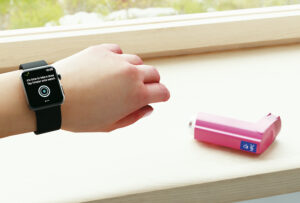
Figure 1: Smart inhaler with app.
The mid-2010s saw a surge of enthusiasm for “smart injectors”, Bluetooth-enabled autoinjectors, smart inhalers, adherence trackers and cloud-connected drug delivery ecosystems (Figure 1).
Challenges
- Low Patient Demand: Most patients do not want or need connectivity.
- Reimbursement Gaps: Payers rarely fund digital add-ons.
- Device Complexity: More components, more failure modes.
- Timing with Respect to Drug Lifecycles: Hard to justify connected device development at the time of drug development, or multiyear digital investments.
- Security: Cybersecurity and privacy concerns.
The industry has had a difficult time looking beyond the drug product, struggling with where to place the responsibility in the organisation and how to define a return on investment.
Notable Examples
- Merck Group’s easypod was launched in 200729 and its second generation introduced connectivity with easypod Connect in 2011.30 It continues to be on the market, and it is now in its third generation.
- Connected insulin pens have found market success with an estimated value of US$905 million (£669 million) and an estimated compound annual growth rate of 11.96%.31 BIOCORP’s Mallya and Innovation Zed’s InsulCheck DOSE are connected caps for a variety of disposable insulin pens. Common Sensing’s (Cambridge, MA, US) Gocap insulin pen add-on became part of the Bigfoot (Milpitas, CA, US) Unity Diabetes Management System,32 now owned by Abbott (Abbott Park, IL, US).33 Several other connected pen caps have come and gone, one example being Timesulin (Bigfoot).
- Adherium and Propeller Health developed smart add-ons for inhalers but had limited uptake. Propeller Health was acquired by ResMed (San Diego, CA, US) in 2018 then shut down. Adherium’s Hailie platform is commercialised in the US with shipments of around 1,400 devices per quarter.34
- Teva launched the connected inhaler Digihaler for ProAir, ArmonAir and AirDuo starting in 2019 but withdrew the devices from the market in April 2024.35
- Bayer (Leverkusen, Germany) markets the BETACONNECT connected electronic autoinjector for Betaseron (interferon beta-1b) to treat multiple sclerosis.36
- There are other connected autoinjector pre-market programmes such as SHL Medical’s Elexy37 and autoinjector add-ons such as Ypsomed’s SmartPilot, which has 510(k) clearance.38
- Eli Lilly (Indianapolis, IN, US) is going to discontinue the Tempo™ Personalized Diabetes Management Platform at the end of 2026.39
“THE LESSON: CONNECTIVITY MUST SOLVE A REAL PROBLEM, NOT JUST ADD A FEATURE.”
The lesson – connectivity must solve a real problem, not just add a feature. The value proposition needs to be convincing and the benefits to patients and clinicians must be compelling if they are being asked to perform any actions related to connectivity.
SOLID DOSE AND POWDER INJECTION SYSTEMS: HIGH HOPES, HARD REALITIES
Solid-dose injectors and powder jet systems promised needle-free delivery of vaccines and biologics using microprojectiles or high-velocity powder streams.
Challenges
- Dose Variability: Especially apparent with powder dispersal. For example, one study on excised human skin membranes showed that only 50% of the powder formulation left the device and the ejected powder had significant comminution (fragmentation).40
- Regulatory Uncertainty: Novel routes raise safety questions.
- Cold Chain and Stability Issues: Many systems did not eliminate cold-chain needs.
- Engineering Challenges: Complex device mechanics.
Notable Examples on the Market
- Solid-dose implants for ophthalmic use such as ILUVIEN (fluocinolone acetonide) (Alimera Sciences, Alpharetta, GA, US), OZURDEX (dexamethasone) (AbbVie, North Chicago, IL, US), and Durysta (bimatoprost implant) (AbbVie). These are solid doses but are delivered via a needle, so they are distinct from the needle-free solid-dose injectors developed by companies such as aVaxMed (Abingdon, UK) and PowderJect.
Notable Examples in Development
- aVaxMed: Developer of a spring-driven solid-dose injector, formerly Glide Pharma then Enesi Pharma.
Notable Examples that have Ceased Development
- PowderJect: The technology injected a stream of dry powder particles. It was discontinued before reaching the market, probably due to the changing competitive environment. In the late 1990s disposable syringes improved, needlestick protection systems became more widely adopted, autoinjectors became common and needle-based vaccine administration remained inexpensive.
Lessons can be learned from the experiences of solid-dose injectors. Solid doses are a compelling option when extended release is required, for example, in ophthalmic implants. For other applications such as vaccines, the value proposition must be convincing when compared with needle-based liquid injections, especially in the modern era where cold-chain distribution and needlestick protection have improved greatly.
INHALED BIOLOGICS: THE EXUBERA EFFECT AND ITS AFTERMATH
Inhaled insulin was once heralded as the future of diabetes care. If inhaled insulin had been successful, then it would have paved the way for many more inhaled systemic biologics. Instead, it became a cautionary tale.
Challenges
- Pulmonary Safety Concerns: Long-term effects of inhaled proteins remain uncertain.
- Variable Absorption: Affected by lung function, technique and comorbidities.
- Large Devices: Notably for Exubera, less so in other cases such as Afrezza (Mannkind Corporation, Danbury, CT, US)
- Price: Cost and reimbursement challenges
- Established Alternatives: Competition from improved injectable pens and pumps.
Notable Examples
- Exubera (Pfizer): Launched 2006, withdrawn 2007.
- Afrezza: Available on the market but not yet a blockbuster at US$75 million sales per year.41
- Eli Lilly-Alkermes AIR Insulin System: This reached Phase II trials.
- Novo Nordisk-Aradigm AERx iDMS: A liquid-based insulin system which reached Phase III trials. The liquid strips and complex electronic device would have led to high goods costs.
- Inhaled Glucagon-like Peptide-1s and other Biologics: Multiple programmes discontinued.

Figure 2: A variety of inhalers used for drug delivery.
The lungs are a promising but unforgiving route. Dry powder inhalers have limits around dose mass and drug suitability for micronisation. Pressurised metered dose inhalers present formulation challenges with approved propellants. Nebulisers do not have these drawbacks and can be used in Phase I and II trials onwards, but a successful platform needs to support easy adaptability to the given drug formulation and viscosity (Figure 2).
OBIs: A CATEGORY WITH SUCCESSES AND HIGH POTENTIAL BUT SEVERAL CASUALTIES
On-body injectors (OBIs) – also called “patch pumps”, “on-body delivery systems”, or “bolus injectors” – are designed for self-administration of large-volume biologics, ideally negating the need for patient visits to infusion centres. This device category has seen some notable successes and shows that new device categories are possible if the clinical need is present, the technology is not too risky and the regulatory pathway is similar to that of other successful device formats (Figure 3).
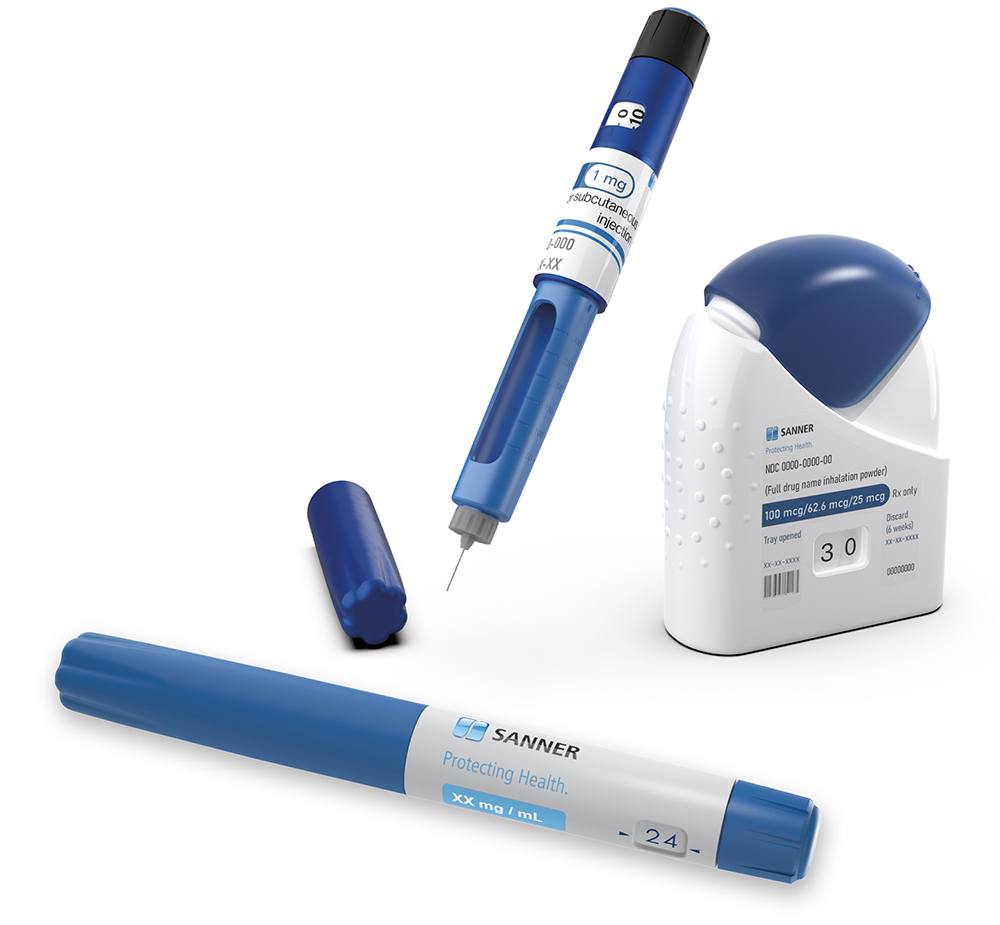
Figure 3: Injector examples.
Challenges
- Attachment to the Body: Skin adhesion or reaction issues
- User Anxiety: Patients uncomfortable wearing a device for more than a few minutes.
- Complexity and Cost: More components than prefilled syringes or autoinjectors.
- Manufacturing Challenges: Sterility, assembly and reliability
- Drug Device Integration Issues: Especially with viscous or sensitive biologics.
- Unfamiliarity and Perception: Technology and patient adoption with stakeholders.
Notable Examples of Devices that have Reached the Market
-
West Pharmaceutical Services’ SmartDose:
– Launched then discontinued in the 3.5 mL variant for Amgen’s (Thousand Oaks, CA, US) Repatha (evolocumab).42,43 Patients were advised to switch from using one OBI to three autoinjectors.44– Launched for AbbVie’s Skyrizi (risankizumab) in 2020. AbbVie acquired manufacturing and supply rights to SmartDose 3.5 mL in January 2026.45– Approved in 2022 but never launched for Alexion’s (Boston, MA, US) ULTOMIRIS (ravulizumab).
– The 10 mL variant was approved in the US in October 2022 for scPharmaceuticals’ (Lexington, MA, US) FUROSCIX (furosemide injection) to treat congestive heart failure. It delivers 80 mg of FUROSCIX over five hours.46
- Neulasta (pegfilgrastim) Onpro (Amgen):47 Delivered using an Insulet OBI. At the time of writing, more than 1 million patients have used Neulasta Onpro.
- EMPAVELI-enFuse (pegcetacoplan): Based on the enFuse platform by Enable Injections, approved by the FDA in 2023.48
- UDENYCA (pegfilgrastim-cbqv)-Sorrel: Uses the Sorrel (LTS Lohmann) platform49 and which was launched in 2024.
- Lasix ONYU (furosemide injection)-SensAir: Uses a Gerresheimer50 OBI, approved by the FDA in 2025.
Notable Examples of Devices in Development
- Prefilled, single-use OBIs such as BD’s Libertas51 and Ypsomed’s YpsoDose52
- Part-reusable motor-driven OBIs such as Stevanato Group’s Vertiva53 and Nemera’s Symbioze54
- Subcuject’s osmosis-driven OBI.
Several OBIs have been discontinued, such as Ratio’s (Madison, WI, US) hydrogel-powered injector or Bespak’s gas-powered Lapas.
NASAL DELIVERY OF BIOLOGICS: CAN BE FAST AND SIMPLE, BUT VARIABLE
Nasal delivery has been successful for small molecules (e.g. naloxone, sumatriptan, adrenaline) but attempts to expand into biologics and vaccines have been rocky.
Challenges
- Mucociliary clearance – the drug is swept away quickly
- Limited absorption of large molecules
- Irritation and tolerability issues
- Device variability means the spray plume geometry, delivered dose and droplet size distribution depend on pump pressure (therefore typically the force provided by the user), nozzle tolerances and formulation properties (viscosity and surface tension for liquids, particle morphology and electrotribology for dry powders).
Notable Examples
- Nasal Insulin Programmes: Multiple discontinued.
- Nasal Vaccines: Many candidates failed to show adequate immunogenicity, but FluMist (MedImmune, Gaithersburg, MD, US), which uses influenza virus subtypes A and B, received FDA approval first in 2012 and in 2024 for self- or caregiver-adminstration.55
- Baqsimi (Amphastar Pharmaceuticals, Rancho Cucamonga, CA, US) is glucagon delivered by Aptar’s Unidose powder device.56
- NOSA (Stockholm, Sweden) and Hogne (Nacka, Sweden) TrigeNas nose plugs are in development.
Nasal delivery remains attractive but technically unforgiving.
WHY SO MANY DEVICE CATEGORIES STRUGGLE
Across categories, the same patterns recur.
Biology Beats Engineering
The human body is not a passive receptacle. Skin, lungs, nasal mucosa and subcutaneous tissue all impose constraints that clever engineering cannot always overcome.
Simplicity Wins
Patients, clinicians and payers gravitate towards devices that are small, intuitive and involve minimal use steps. Devices must also be reliable, have low risks, costs and technological complexity. Anything more complex must deliver a clear clinical benefit.
Integration is Difficult
Drug-device combination products require the right timing for market pull, technology push, the speed-to-market to stay ahead and the pharmaceutical company to need the product just at the right time. They also need compatible stabilities and regulatory co-ordination with the preferred technology already approved by a regulatory agency. Manufacturing harmonisation is also required, for example, using a standard primary container that enables reuse of filling technology and provides potential as platform technology. Many programmes fail at these stages.
The Market is Ruthless
Even technically successful devices can die if reimbursement is weak, training burden is high, competitors launch simpler alternatives or the target population is small.
Adoption Takes Time
Successful launches of products by start-up companies tend to take more than 10 years. For example, Kaléo was founded in 2000 and launched Auvi-Q in 2012.57,58 Sensile Medical (now part of Gerresheimer) was founded in 2004 and launched the D-MINE pump in 2019,59 and Enable Injections was founded in 2010 and launched enFuse in 2023.60
WHAT WE CAN LEARN ABOUT THE FUTURE
Despite the challenges, innovation and evolution in drug delivery devices continue at pace. The next generation of devices will likely succeed if they:
- Solve a real clinical or workflow problem
- Reduce burden, rather than adding features
- Integrate seamlessly into existing care pathways
- Demonstrate clear economic value
- Apply to diverse patient populations
- Get the right fit and timing for market pull and technology push
- Provide advantage over competitor devices
- Address why similar technologies struggled.
The authors received no financial support for the research, authorship and/or publication of this article. The views expressed in this article are the views of the individual authors and may not represent those of their employers.
REFERENCES
- Rohilla P, Marston JO, “In-vitro studies of jet injections”. Int J Pharm, 2019, Vol 10(568), art 118503.
- “Comfort-in”. Company Web Page, Mika Medical Co, accessed Sep 2026.
- “Injex30”. Company Web Page, Injex, accessed Sep 2026.
- “The leader in needle-free auto-injection for life-threatening emergency situations”. Company Web Page, CROSSJECT, accessed Sep 2026.
- “PRIME Needle-Free”. Company Web Page, Portal Instruments, accessed Sep 2026.
- “Novartis gets U.S. approval for Alzheimer patch”. Reuters, News Article, Aug 2007.
- “Bankrupt Zosano Sells Its Drug Delivery Tech That Once Partnered With Pharma Giants”. News Article, Benzinga, Oct 2022.
- “Advancing Precision Intradermal Therapeutics”. Company Web Page, Gylden Pharma, accessed Sep 2026.
- “PassPort® Novel Transdermal Drug Delivery System”. Company Web Page, PassPort Technologies, accessed Sep 2026.
- “Positive Interim Phase I Results of Zolmitriptan Transdermal Microporation System”. Press Release, PassPort Technologies, 29 Mar, 2024.
- “Questions and answers on the recommendation to suspend the marketing authorisation of Ionsys”. Report, EMA, Nov 2008.
- “Medicines Co. To Cut 15% Of Workforce As It Discontinues IONSYS In The U.S.”. News Article, RTT News, Mar 2017.
- “On-the-Go Patch Therapy”. Company Web Page, IontoPatch, accessed September 2026.
- “IontoGo™ 4.0”. Company Web Page, ActivaPatch, accessed September 2026.
- “Sontra Medical Receives FDA Clearance for SonoPrep® Skin Permeation Device and Procedure Tray For Use with Topical Lidocaine”. Press Release, SEC, 18 Aug, 2024.
- “Order Of Suspension Of Trading”. Report, SEC, May 2021.
- “Emory University and Micron Biomedical Launch First-in-Human Clinical Trial of Next-Generation Rotavirus Vaccine Delivered via Dissolvable Microarray Technology”. Press Release, Micron Biomedical, 16 Jun, 2025.
- “Vaxxas News”. Company Web Page, Vaxxas News, accessed Sep 2026.
- “Kindeva Drug Delivery and Emervax partner to bring game changing vaccine administration to patients”. Company Web Page, Kindeva, accessed Sep 2026.
- “Important Message For Trial Participants Regarding Nationwide Recall Of Auviq”. Company Web Page, Stanford Medicine, accessed Sep 2026.
- “Rapid Opioid Countermeasure System “ROCS””. Company Web Page, Naloxone Autoinjector, accessed Sep 2026.
- “Self-Administration Of High Viscosity Formulations”. Company Web Page, Bespak, accessed Sep 2026.
- “One Platform. Countless Possibilities.” Company Web Page, Windgap Medical, accessed Sep 2026.
- “The leader in needle-free auto-injection for life-threatening emergency situations”. Company Web Page, CROSSJECT, accessed Sep 2026.
- “AltaVISC”. Company Web Page, Altaviz, accessed Sep 2026.
- Whelton R, “Next-Generation Autoinjector Platform for High-Dose Drugs”. ONdrugDelivery, Issue 142 (Feb 2023), pp 90–95.
- Khanolkar A, Vilaplana M, “A Configurable Patient-Centric Delivery Platform for Biologics and High-Concentration Formulations”. ONdrugDelivery, Issue 178 (Oct 2025), pp 42–47.
- “Bios Autoinjector”. Company Web Page, SMC Ltd, accessed Sep 2026.
- “Merck Serono Launches easypod(R), First Electronic Growth Hormone Injection Device”. News Article, BioSpace, Jan 2007.
- “Merck Serono Launches easypod™ Connect in Europe”. News Article, PR Newswire, Oct 2011.
- “Smart Insulin Pens Market”. Report, Fortune Business Insights, Aug 2026.
- “Bigfoot Unity™ Diabetes Management System”. Company Web Page, Bigfoot Biomedical, accessed Sep 2026.
- “Abbott Completes Acquisition of Bigfoot Biomedical”. Company Web Page, Bigfoot Biomedical, accessed Sep 2026.
- “Interim Consolidated Report”. Report, Adherium, 2025.
- “Teva to Discontinue Digital Inhalers”. News Article, Allergy Asthma Network, Apr 2024.
- “Betaseron”. Company Web Page, Bayer, accessed Sep 2026.
- “Elexy: Redefine possibilities”. Company Web Page, SHL Medical, accessed Sep 2026.
- “SmartPilot for YpsoMate”. Company Web Page, Ypsomed, accessed Sep 2026.
- “Tempo™ Personalized Diabetes Management Platform”. Company Web Page, Eli Lilly, accessed Sep 2026.
- Lahm K & Lee G, “Penetration of Crystalline Powder Particles into Excised Human Skin Membranes and Model Gels from a Supersonic Powder Injector”. J Pharm Sci, Vol 96(7), pp 1511–1526.
- “Q4 2025”. Company Web Page, QUARTR, accessed Sep 2026.
- “Coherus Announces U.S. Launch of UDENYCA ONBODY™ a Novel and Proprietary State-of-the-Art Delivery System for pegfilgrastim-cbqv”. News Article, Coherus Oncology, 21 Feb, 2024.
- “Repatha® Pushtronex® System (on-body-infusor with prefilled cartridge) Discontinuation”. News Article, Repatha, 2024.
- “Repatha Pushtronex vs SureClick: Dosing, Use, and Key Differences (2026 Guide)”. News Article, Healthline, Apr 2026.
- “West sells manufacturing, supply rights for on-body drug delivery system to AbbVie”. News Article, Drug Delivery Business News, Jan 2026.
- “ScPharmaceuticals finally wins FDA nod for its on-body infusor for congestive heart failure”. News Article, Fierce Pharma, Oct 2022.
- “Amgen Announces Launch Of New Neulasta® (Pegfilgrastim) Delivery Kit”. News Article, PR Newswire, Mar 2015.
- “Enable Injections Receives First U.S. Food and Drug Administration (FDA) Approval”. Company Web Page, Enable Injections, accessed Sep 2026.
- “First product based on LTS Sorrel™ wearable drug delivery platform launched in the US”. News Article, PR Newswire, Feb 2024.
- “Gerresheimer: FDA grants Approval of SQ Innovation’s Lasix® ONYU”. Company Web Page, Gerresheimer, accessed Sep 2026.
- “BD Libertas™ Wearable Injector”. Company Web Page, BD, accessed Sep 2026.
- “Ypsodose”. Company Web Page, Ypsomed, accessed Sep 2026.
- “Vertiva®”. Company Web Page, Stevanato Group, accessed Sep 2026.
- “Symbioze®”. Company Web Page, Nemera, accessed Sep 2026.
- “FDA Approves Nasal Spray Influenza Vaccine for Self- or Caregiver-Administration”. News Article, FDA, Sep 2024.
- “Aptar’s Nasal Unidose Device Approved by US FDA for First Needle-Free Rescue Treatment for Severe Hypoglycemia”. News Article, Packaging Connections, Oct 2019.
- “Kaléo Marks 25 Years Advancing Drug Delivery Technology”. Company Web Page, Kaléo, accessed Sep 2026.
- “FDA Approves Kaleo’s EVZIO™ for the Emergency Treatment of Opioid Overdose”. Company Web Page, Kaléo, accessed Sep 2026.
- “EVER Pharma Introduces Wearable Subcutaneous Pump for Drug Delivery for Parkinson’s Patients”. Company Web Page, Wearable Technologies, accessed Sep 2026.
- “About Enable”. Company Web Page, Enable Injections, accessed Sep 2026.