To Issue 191
Citation: Rebzani N, Muller E, “Ensuring Deep-Cold Reliability for mRNA Therapies: Advancing CCI Testing Approaches for Prefilled Syringes”, ONdrugDelivery, Issue 191 (Oct 2026), pp 172–179.
Dr Nesrine Rebzani and Elsa Muller of BD discuss recent work done by the company to establish a robust methodology for testing the container closure integrity of prefillable syringes under deep-cold conditions, highlighting the challenges in establishing these methods and the value of the data acquired.
Messenger RNA (mRNA) technology has rapidly emerged as a transformative modality in modern medicine, reshaping the landscape of drug development and delivery. With their high adaptability, rapid design cycles and proven safety profiles, mRNA platforms have become a cornerstone for future prophylactic and therapeutic innovations, extending beyond covid-19 and infectious diseases to rare diseases, next-generation immunotherapies and oncology applications.1,2
However, unlike conventional biologics, lipid nanoparticle-based mRNA drugs are inherently unstable and often require deep-cold storage throughout the entire supply chain to preserve their integrity. Moreover, as mRNA drugs move from emergency use to broader clinical adoption across multiple therapeutic areas, the focus is shifting from speed to reliability, manufacturability, cost efficiency and lifecycle sustainability.
This evolution brings the need for more advanced primary packaging solutions. Indeed, the industry is progressively moving from multi-dose vials to single-dose prefilled syringes (PFSs), a format that simplifies preparation, reduces waste and improves dosing accuracy.3–5
Moving mRNA formulations into PFS systems introduces new technical challenges. Unlike vials, syringes are complex assemblies combining multiple components and parameters: barrel, lubricant, and closure systems (plunger stoppers & tip cap), each with distinct thermal and mechanical properties. Under frozen conditions, differences in thermal expansion coefficients can affect container closure integrity (CCI).
Different analytical techniques exist today to assess CCI performance. Each method comes with intrinsic limitations when applied to deep-cold conditions, where material behaviours, phase transitions and frozen interfaces challenge conventional testing paradigms. There is a growing need to better understand which techniques can reliably characterise syringe performance under frozen storage conditions and where current industry practices may currently fall short.
Recognising these challenges, BD has conducted an in-depth evaluation of commonly used CCI techniques in the context of deep-cold storage. Through systematic investigation of method-specific limitations and stress conditions, BD has developed an in-house testing framework designed to generate highly representative deep-cold CCI data. This approach integrates complementary analytical techniques and tailored testing parameters to better simulate actual frozen conditions and reduce methodological bias.
The objective of this article is to review the capabilities and limitations of existing CCI testing approaches in deep-cold conditions and to present the rationale and outcomes of BD’s dedicated methodology. The insights generated through this work not only contribute to a more accurate understanding of syringe performance under frozen storage but also provide valuable perspective on the suitability of BD’s PFS portfolio for mRNA-based applications requiring deep-cold conditions. By addressing these challenges, BD aims to contribute to the safe, reliable and scalable deployment of the next-generation of mRNA vaccines – reinforcing its role as a trusted partner in enabling innovation across the vaccine ecosystem.
“BD HAS DEVELOPED AN IN-HOUSE TESTING FRAMEWORK THAT INTEGRATES COMPLEMENTARY ANALYTICAL TECHNIQUES AND TAILORED TESTING PARAMETERS TO BETTER SIMULATE ACTUAL FROZEN CONDITIONS AND REDUCE METHODOLOGICAL BIAS.”
LIMITS OF CONVENTIONAL CCI METHODS FOR DEEP-COLD STORAGE APPLICATIONS
Based on preliminary internal studies and available literature,6,7 CCI is a critical consideration as storage temperatures decrease, with direct implications for sterility and product stability under deep-cold conditions. Historically, dye ingress tests, such as the methylene blue method, have been widely used for CCI verification.8 These tests are considered probabilistic methods, relying on visual detection of dye penetration through potential leak paths under defined test conditions. While simple and widely implemented, probabilistic approaches inherently provide a binary pass/fail outcome, without quantifying leak size or enabling predictive assessment of package performance.
Beyond these intrinsic limitations, dye ingress testing is particularly challenged in deep-cold storage scenarios. While effective at room temperature, it may fail to capture transient integrity losses occurring under frozen conditions (Figure 1). When samples are cooled and subsequently returned to ambient conditions for testing, elastomeric components may reseal due to material relaxation, masking failures and generating false negatives.6,9
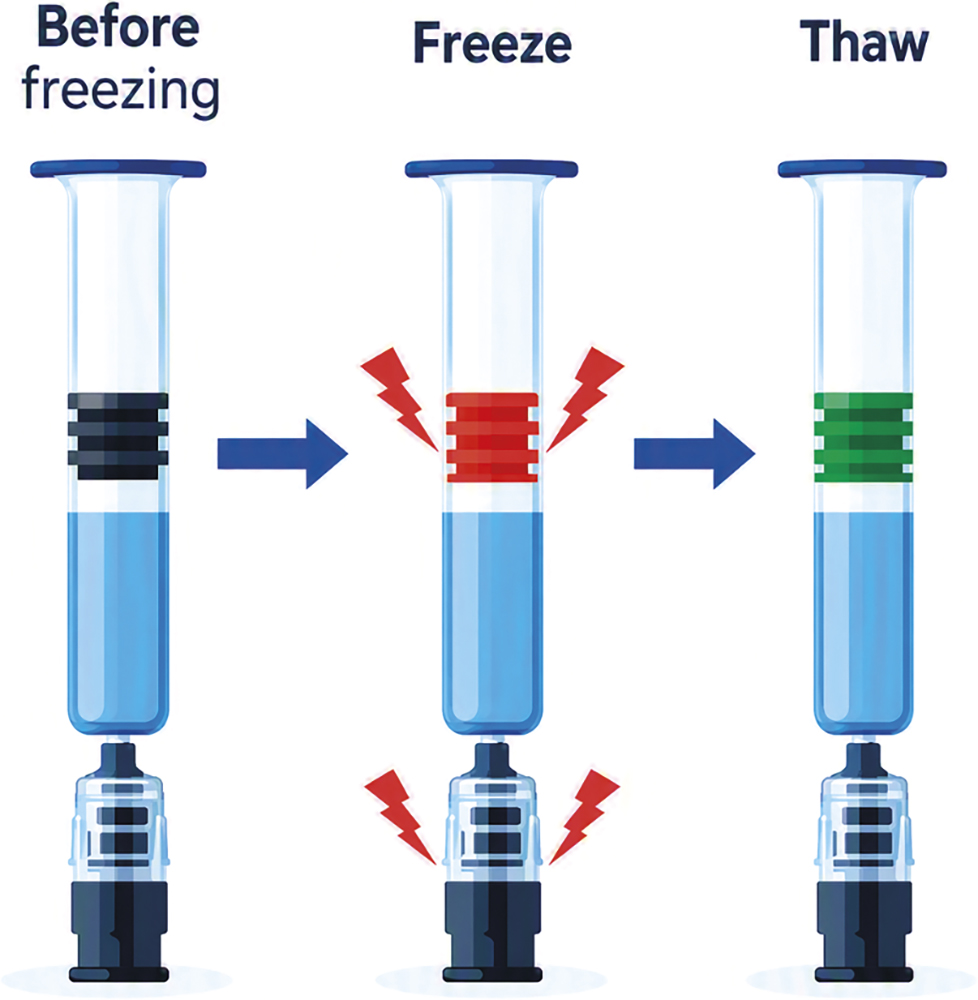
Figure 1: Schema of the transient integrity losses that can occur under frozen conditions.
The physics behind this phenomenon is straightforward: elastomeric plunger stoppers contract more than glass barrels at low temperatures, potentially creating temporary leak paths. Upon warming, the elastomer expands, restoring the seal. This dynamic behaviour underscores the need for methodologies capable of evaluating integrity during or immediately after deep-cold exposure. It also highlights the broader advantage of deterministic, quantitative CCI methods, which offer improved sensitivity and more reliable performance characterisation under challenging storage conditions.
“WHILE DETERMINISTIC METHODS SUCH AS HEADSPACE GAS ANALYSIS PROVIDE CLEAR ADVANTAGES OVER PROBABILISTIC APPROACHES, THEIR RELIABILITY IN DEEP-COLD APPLICATIONS DEPENDS HEAVILY ON METHODOLOGICAL RIGOUR.”
Among these deterministic methods, headspace gas analysis has emerged as a particularly relevant solution for evaluating CCI under deep-cold conditions. The principle of the test is that the system samples (syringe, tip cap and stopper) are conditioned in a freezer preset to the target qualification temperature. The freezer is saturated with CO2 by placing trays of dry ice (i.e. solid CO2) inside for at lFtableeast 24 hours before and throughout sample storage. If a transient leak path forms at deep‑cold temperature, CO2 present in the freezer can enter the syringe. Upon removal from the freezer, elastomeric components re‑seal during thawing, thereby trapping any ingressed CO2 within the headspace.
After conditioning, the CO2 partial pressure in each syringe headspace is quantified using a Lighthouse Instruments (Charlottesville, VA, US) frequency modulation spectroscopy (FMS) CO2 headspace analyser. Each syringe is positioned in the instrument to perform a non‑destructive, quantitative measurement of headspace CO2 partial pressure. The number of test samples is defined upstream based on the desired statistical confidence and reliability; positive and negative controls are included in every run to confirm method sensitivity and discrimination.
Helium leak testing can also be used and remains a valuable tool for exploring the limits of system performance and identifying potential failure points at specific interfaces, such as the tip cap/tip interface or plunger stopper/barrel interface. Together, these complementary methods provide a comprehensive understanding of CCI under extreme conditions.
DEVELOPING A ROBUST, IN-HOUSE, DETERMINISTIC HEADSPACE METHODOLOGY
While deterministic methods such as headspace gas analysis provide clear advantages over probabilistic approaches, their reliability in deep-cold applications depends heavily on methodological rigour. BD’s early evaluations demonstrated that conventional headspace testing protocols could be significantly influenced by uncontrolled variables, including the time between freezer removal and measurement, CO2 saturation consistency, equilibration time and instrument calibration stability. In deep-cold studies, these parameters can materially impact results, potentially introducing variability that obscures true system performance.
To address these challenges, BD developed its own deep-cold headspace CCI method, in line with BD’s established design verification rigour. This structured, stepwise approach aimed to identify, understand and control the parameters that could impact measurement accuracy, sensitivity and repeatability.
The first step was to select the temperature for this methodology. The glass transition temperature (Tg) of elastomeric components is approximately −65°C, where material properties change significantly.9 BD selected −50°C to approach this critical zone while accommodating freezer variability (±5°C) and aligning with industry requirements for mRNA vaccine storage. This choice reflects a balance between scientific rigour and practical feasibility. The second step in developing the methodology was to characterise each key factor and incorporate them into the final validated protocol, ensuring a scientifically robust and reliable method.
Freezer Temperature and Thermal Homogeneity
One of the first critical areas investigated was the thermal environment inside the freezer. Real-world freezers do not maintain a perfectly stable temperature; instead, they oscillate and exhibit spatial variations. To guarantee consistent stress across all samples, the entire freezer volume was mapped to characterise its temperature gradients. Based on this mapping, the setpoint was adjusted so that the average measured temperature inside the most homogeneous region remained centred around −53°C, ensuring that the temperature consistently remained below −50°C throughout the entire test. Placing samples only within this stable zone ensured that each syringe experienced the same thermal conditions throughout storage, including exposure to the natural low-end fluctuations inherent to deep-cold equipment – an additional margin that reinforces confidence in the system’s suitability for temperatures at or below the intended range.
CO2 Gas Availability and Exposure Duration
BD also evaluated the ability of the freezer chamber to maintain a sufficiently high CO2 gas concentration. Since the method relies on CO2 ingress through leaks that occur during freezing, the presence of CO2 inside the freezer is essential. Dry ice trays were therefore arranged strategically – not near the samples, where they could produce local overcooling, but in the areas where temperature fluctuation was highest. This placement allowed the entire freezer to saturate with CO2 gas in a controlled manner.
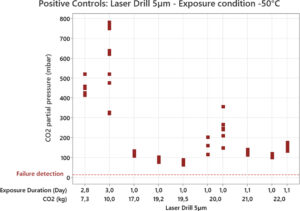
Figure 2: Partial pressure measured in the samples with different CO2 gas quantities and exposure times.
The team also examined how the amount of dry ice and the actual freezer temperature affected sublimation rates and thus exposure time. As colder temperatures slow sublimation, lower freezer temperatures require longer CO2 exposure to achieve consistent saturation. This analysis ensured that every sample received enough exposure to avoid false negative results caused by insufficient CO2 availability (Figure 2).
To further confirm that the freezer atmosphere remained properly saturated with CO2 throughout conditioning, BD also included dedicated environmental control samples inside the chamber. These controls consisted of syringes with deliberately drilled holes, creating a temporary leak path that closes again during thawing. Because these samples are guaranteed to admit CO2 whenever it is present in the freezer, the measurement of their headspace CO2 concentration at the end of the test provides a direct verification of the actual vapour exposure conditions. Analysing these environmental controls in parallel with the test samples ensures that the freezer contained an adequate and consistent amount of CO2 during the entire conditioning phase, therefore confirming that all syringes under evaluation were exposed to the required CO2 levels necessary for reliable CCI assessment (Figure 3).
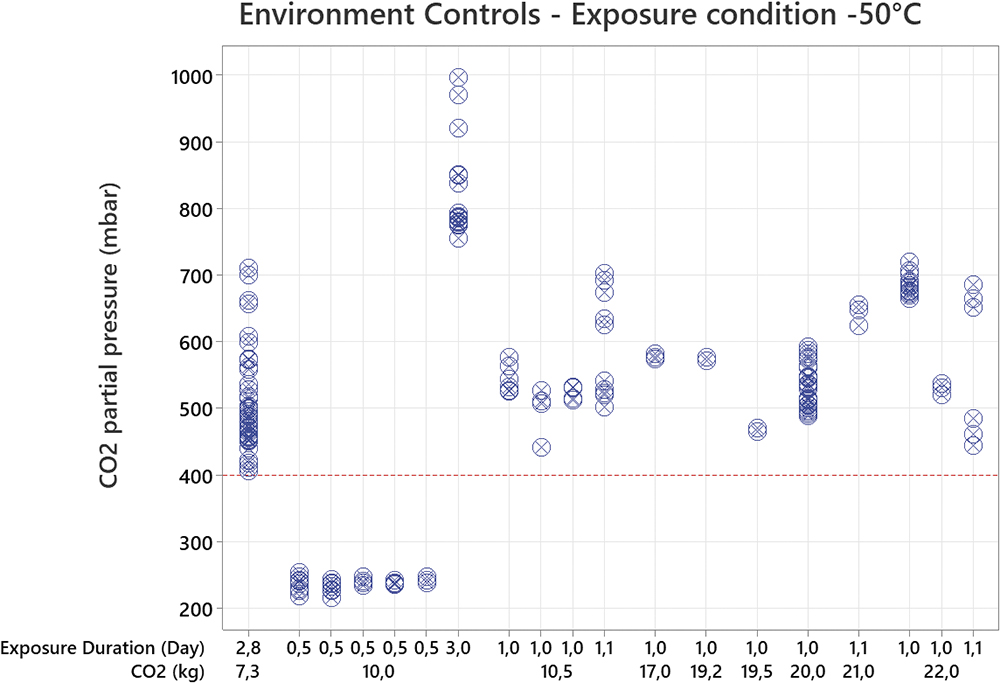
Figure 3: Partial pressure measured in the environmental control samples with different CO2 gas quantities and exposure times.
Based on experimental observations, BD established 400 mbar as the reference pressure for environmental controls. Here, CO2 ingress consistently produced a clear, stable and repeatable headspace signal after thawing, making it a reliable benchmark to confirm that the freezer atmosphere was adequately saturated during testing.
Acceptance Criteria and Control Strategy
For intact syringes, the baseline corresponds to the measurement resolution of the Lighthouse FMS CO2 analyser, where the smallest standard aligns with 0±13 mbar. BD therefore defined the CCI acceptance limit as any measurement below 13 mbar, establishing a clear criterion for passing samples. This creates a stringent yet realistic definition of “no gas ingress” anchored in the technical capabilities of the analytical device.
To ensure that the method could reliably detect any loss of CCI, BD used dedicated positive control samples engineered with drilled leak paths of different diameters. Unlike environmental controls, these leak paths remain open throughout freezing and thawing and therefore do not reseal at any point during the test. Because they continuously allow CO2 to enter the syringe during conditioning, their final headspace CO2 pressure must be well above the analytical detection threshold of 13 mbar. Confirming that positive controls consistently fall within this expected pressure range provides strong assurance that the test conditions were sufficiently stringent and that any sample exhibiting a leak would indeed accumulate detectable CO2 (Figure 4). In other words, these positive controls play a critical role in preventing false negatives by demonstrating that the method would have identified CO2 ingress if it had occurred in the test samples.
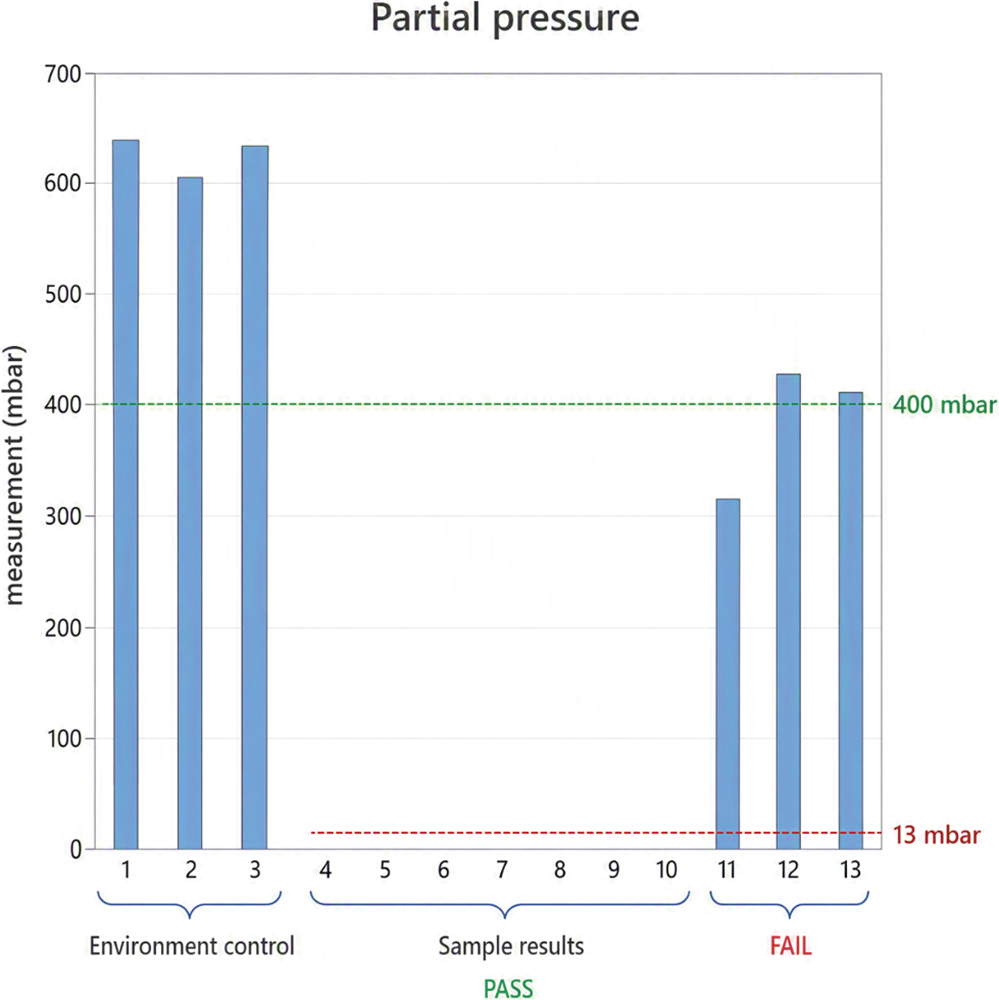
Figure 4: Comparison between tested samples with no CCI fail and the positive controls samples.
Empty versus Filled Syringe – Rationale for Method Validation
During method development, both filled and empty syringes were assessed to determine which configuration would provide the most stable and repeatable measurement. In filled syringes, the presence of a water meniscus significantly reduces the headspace volume and alters its geometry, making the CO2 reading more sensitive to small variations in positioning, frost formation or optical disturbances.
Frost near the cone end was found to exacerbate these issues, leading to inconsistent or noisy measurements. In addition, once the water freezes, the ice at the tip physically seals the tip cap interface, preventing any assessment of whether this portion of the system maintains closure integrity under frozen conditions. The water-to-ice transition also introduces an additional complication – as water solidifies, its volume increases by roughly 10%, generating internal expansion forces that can push the plunger stopper forwards. This displacement further reduces the available headspace and adds variability to the measurement, making filled syringes inherently less reliable for developing a robust and deterministic CCI method.
For these reasons, BD validated the method using empty syringes. Doing so maximises the headspace volume and therefore stabilises the measurement, while also ensuring that both critical interfaces – the plunger stopper/barrel and the tip cap/barrel – remain fully assessable. This configuration provides a conservative, repeatable and comprehensive evaluation of syringe system performance in deep-cold environments.
Time from Freezer to Measurement (Thawing Window)
Another parameter was the time between removal from the freezer and measurement. During thawing, BD also monitored positive controls equipped with permanent leak paths. Because these openings remain active once the samples are removed from the freezer, any CO2 that entered during conditioning can progressively escape while the syringe equilibrates to ambient temperature. This makes these permanently open controls highly sensitive indicators of CO2 loss during the post‑freezer handling period.
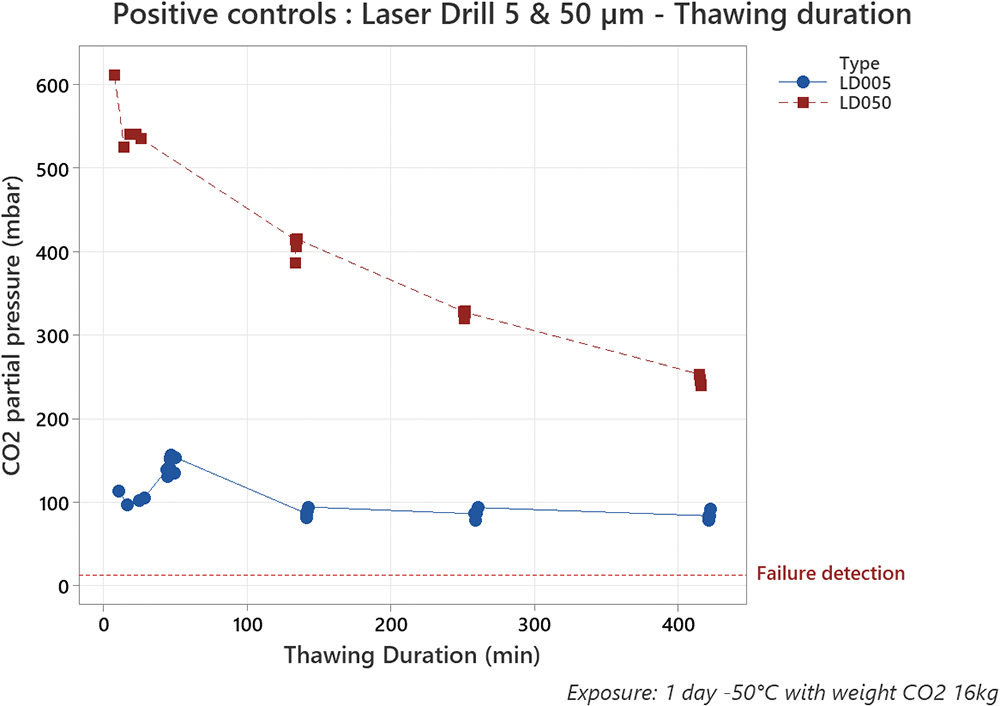
Figure 5: Partial pressure measured in the positive controls samples for different thawing times.
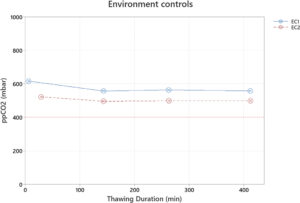
Figure 6: Partial pressure measured in the environmental control for different thawing times.
When evaluated at the same time as the test samples, they provide a direct check on whether the elapsed time between freezer removal and headspace measurement was adequately controlled: if a positive control shows a substantial loss of CO2 by the time it is measured, it suggests that leaking test samples could similarly have lost part of their CO2 signal, increasing the risk of false‑negative results. By tracking the behaviour of these controls, BD can therefore verify that the thawing window is properly respected and that the method maintains its intended sensitivity throughout the entire handling process (Figures 5 & 6). To maintain both repeatability and discriminatory power, the protocol caps the allowable elapsed time to four hours. This ensures that all samples, both intact and defective, are evaluated under comparable and scientifically justified conditions.
While headspace analysis is broadly used within the industry, the quality of the data generated depends on methodological rigour. BD’s strengthened approach not only supports regulatory compliance but also enables a deeper and more reliable understanding of syringe performance under extreme-cold conditions, providing greater confidence in data interpretation for pharmaceutical partners developing sensitive mRNA drugs.
IN-HOUSE DEEP-COLD CCI HEADSPACE METHODOLOGY APPLIED TO BD VACCINE PFS PORTFOLIO
The study was conducted on the following BD syringe systems: BD Effivax™ Glass Prefillable Syringe and BD Hypak™ for Vaccine Glass Prefillable Syringe, with PRTC FM30 and 7025/65 formulations assembled with FM457 plunger stoppers. Samples were stored for one week at −50°C prior to the first CCI assessment and subsequently subjected to five freeze/thaw cycles (−50°C to ambient), with headspace CCI measured after each cycle. In addition, a subset of samples underwent long‑term ageing at −50°C for up to 12 months and then completed five additional freeze/thaw cycles prior to CCIT (Figure 7).
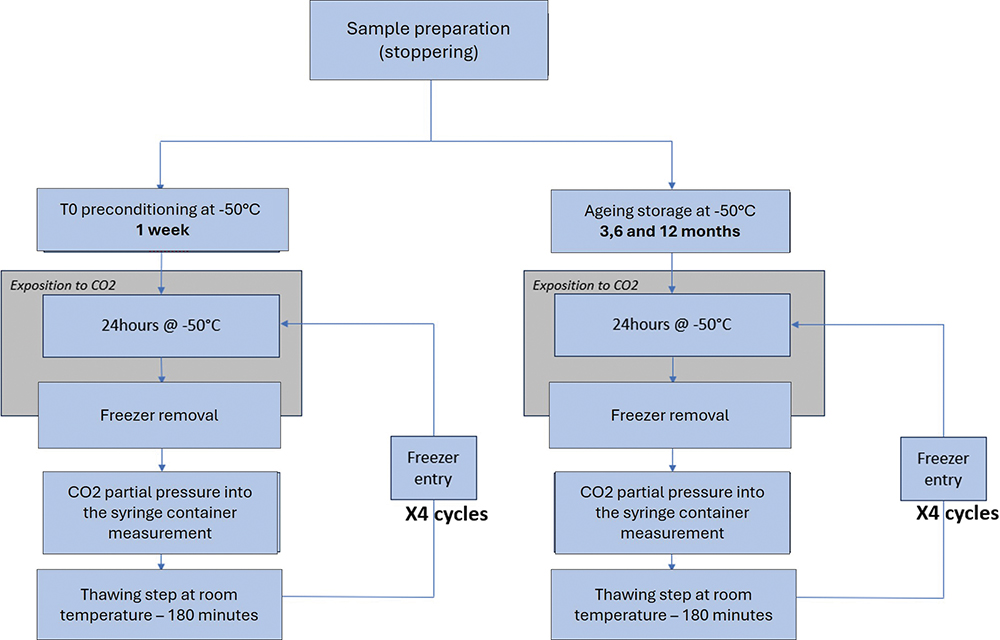
Figure 7: Sample conditioning for CCI assessment.
Across all evaluated configurations and conditions, no tested sample exhibited CO2 ingress. All measured headspace CO2 partial pressures for test articles remained below the 13 mbar specification, the positive controls were above 13 mbar and the environment controls were above 400 mbar as defined in the test method, confirming method sensitivity and discrimination.
The absence of failures persisted after five freeze/thaw cycles and after long‑term ageing at −50°C for up to 12 months, indicating that deep-cold storage did not adversely impact CCI for the systems tested (Table 1).
| Storage condition | Result |
| T0 | Pass |
| 3 months at -50°C + 5 cycles at -50°C |
Pass |
| 6 months at -50°C + 5 cycles at -50°C |
Pass |
| 12 months at -50°C + 5 cycles at -50°C |
Pass |
Table 1: CCI performance of BD vaccine prefillable syringes under deep-cold conditions.
“THIS COMPARISON WITH OTHER COMPLEMENTARY TECHNIQUES, COMBINED WITH BD’S SYSTEMATIC APPROACH, UNDERSCORES THE COMPANY’S STRONG EXPERTISE IN DEEP-COLD CCIT AND
ITS COMMITMENT TO SCIENTIFIC RIGOUR IN PRIMARY PACKAGING SOLUTIONS.”
In addition to internal validation, BD reinforced the credibility of its approach by comparing its headspace analysis results with other complementary techniques. These independent tests consistently converged towards the same conclusions and values, confirming the relevance of the headspace analysis method and strengthening confidence in its reliability. This comparison with other complementary techniques, combined with BD’s systematic approach, underscores the company’s strong expertise in deep-cold CCIT and its commitment to scientific rigour in primary packaging solutions.
| ISO 11040-4 | Storage condition | Result |
| Tip cap pressure leak resistance |
10 cycles (T0 months) | Pass |
| Ageing 12 months | Pass | |
| RC Unscrewing | 10 cycles (T0 months) | Pass |
| Ageing 12 months | Pass | |
| RC Pull out Force | 10 cycles (T0 months) | Pass |
| Ageing 12 months | Pass | |
| LLA Pull out Force | 10 cycles (T0 months) | Pass |
| Ageing 12 months | Pass | |
| LLA Torque | 10 cycles (T0 months) | Pass |
| Ageing 12 months | Pass |
Table 2: Functional performance of BD vaccine prefillable syringes under deep-cold conditions according to ISO 11040-4.
FUNCTIONAL TESTS PERFORMED ON BD VACCINE PORTFOLIO UNDER DEEP-COLD CONDITIONS
Functional tests were also performed on the same sample configurations using design verification test methods to confirm system functionality. The methods used are those described in ISO 11040-4:2024, which specifies requirements for glass PFSs intended for parenteral use, including dimensional, mechanical and performance criteria (Table 2). The same was done with ISO 80369 standards, including -7 and -20, covering the standardised connectivity of Luer locks with small bore connectors (Table 3). For these evaluations, syringes were filled with ultrapure water, sealed with BD SCF™ plunger stoppers (FM457 formulation) and subjected to up to 10 freeze/thaw cycles at -80°C, as well as long-term ageing for up to 12 months at -80 °C.
| ISO 80369-7 | Storage condition | Result |
| Leakage by pressure decay | 10 cycles (T0 months) | Pass |
| Ageing 12 months | Pass | |
| Sub-atmospheric pressure air leakage | 10 cycles (T0 months) | Pass |
| Ageing 12 months | Pass | |
| Stress cracking resistance | 10 cycles (T0 months) | Pass |
| Ageing 12 months | Pass | |
| Resistance to separation from axial load | 10 cycles (T0 months) | Pass |
| Ageing 12 months | Pass | |
| Resistance to separation from unscrewing | 10 cycles (T0 months) | Pass |
| Ageing 12 months | Pass | |
| Resistance to overriding | 10 cycles (T0 months) | Pass |
| Ageing 12 months | Pass |
Table 3: Luer connection performance of BD vaccine prefillable syringes under deep-cold conditions according to ISO 80369-7.
Although the primary objective of the study was to characterise the syringe system performances in deep-cold storage conditions at -50°C, the functional evaluations were intentionally conducted at −80°C. This choice reflects a science-driven rationale – among all syringe system attributes, CCI is known to be the most sensitive to extreme cold, whereas mechanical and functional performances typically remain robust well below the temperatures at which leakage risks begin to emerge. By performing functional tests directly at −80 °C, BD applied a conservative, worst-case approach that intentionally goes beyond the expected operating range.
Demonstrating that all mechanical and performance criteria remained fully compliant at such extreme temperatures confirms that these characteristics are not the limiting factor of the system. Consequently, it highlights that CCI is the first attribute to be challenged under deep-cold conditions, thereby validating the relevance of using CCI outcomes to define the true operational boundary of syringe systems. Across all tested conditions, including multiple freeze/thaw cycles and extended ageing, the tested syringe systems exhibited no evidence of detrimental impact on functional performance when compared with reference populations after storage at −50°C.
“SELECTING THE RIGHT TECHNICAL PARTNER, WITH AN APPROPRIATE CCI METHODOLOGY IS ESSENTIAL TO SUPPORT RELIABLE RISK ASSESSMENT UNDER EXTREME CONDITIONS.”
CONCLUSION
CCIT is no longer a peripheral requirement in drug development, it is a critical success factor, particularly for temperature-sensitive formulations and mRNA applications that may require frozen or deep-cold storage. Selecting the right technical partner, with an appropriate CCI methodology is essential to support reliable risk assessment under extreme conditions.
Deep-cold storage must be considered as a system-level challenge. Syringe performance does not rely on a single component but on the interaction between the barrel, elastomeric closures and the overall assembly under thermal stress. As a fully integrated provider of both glass barrels and elastomeric components, BD is strongly positioned to evaluate and understand the behaviour of these systems holistically.
Under deep-cold conditions, CCIT becomes particularly challenging, as temporary leak paths may occur during frozen storage and disappear once samples return to ambient temperature. While headspace analysis is a highly relevant approach to assess CCI under these conditions, data reliability still depends on the rigour of the methodology.
BD’s approach supports the generation of more relevant deep-cold CCI data by identifying and carefully controlling critical parameters, such as freezer temperature homogeneity, CO2 availability, exposure duration and thawing window. The reliability of this methodology is further reinforced by the careful selection and challenge of positive and environmental controls, as well as clearly defined acceptance criteria, ensuring that the methodology can discriminate true CCI performance from potential bias.
This methodology provides a scientifically rigorous framework to evaluate syringe system behaviour under frozen storage conditions and strengthens confidence in data interpretation for pharmaceutical partners developing mRNA applications. The data generated in this study demonstrate the consistent performance of BD’s vaccine syringe platforms under extreme conditions, supporting pharmaceutical companies in the selection of primary packaging solutions and in de-risking their development processes.
These results are intended to support customer decision-making and provide scientific insight into system behaviour under deep-cold storage. Importantly, these findings do not replace formal design verification testing required for regulatory submission. Full verification studies must be conducted in alignment with specific drug formulations, process parameters and regulatory expectations. By combining integrated component expertise, robust methodology and system-level understanding, BD positions itself as a trusted partner for pharmaceutical companies developing next-generation mRNA drugs requiring deep-cold storage.
BD, the BD logo, Effivax and Hypak are trademarks of Becton, Dickinson and Company or its affiliates. Copyright © 2026 BD. All rights reserved.
REFERENCES
- Zhang G et al, “mRNA vaccines in disease prevention and treatment”. Sig Transduct Target Ther, 2023, Vol 8(1), art 365.
- Shi Y et al, “Progress and prospects of mRNA-based drugs in pre-clinical and clinical applications”. Sig Transduct Target Ther, 2024, Vol 9(1), art 322.
- Schoenmaker L et al, “mRNA-lipid nanoparticle COVID-19 vaccines: Structure and stability”. Int J Pharm, 2021, Vol 601, art 120586.
- Blenke EO et al, “The Storage and In-Use Stability of mRNA Vaccines and Therapeutics: Not A Cold Case”. J Pharm Sci, 2023, Vol 112(2), pp 386–403.
- Cheng F, “Research Advances on the Stability of mRNA Vaccines”. Viruses, 2023, Vol 15(3), art 668.
- Baseggio J et al, “Container Closure Integrity of a Glass Prefillable Syringe in Deep Frozen Storage Conditions”. J Pharm Sci, Vol 113(5), pp 1248–1256.
- Perrin E et al, “Assessment of Functional and Physical Performances of Pre-filled Syringes in Deep Cold Storage Conditions”. PDA J Pharm Sci Technol, 2023, Vol 77(4), pp 281–295.
- Ewan S et al, “Dye Ingress Methods for Container–Closure Integrity Testing: An Industry Position Paper”. Report, BioProcess International, Sep 2018.
- Victor K, Caudill AA, Veale J, “Container Closure Integrity Test Method Development on Vials Stored at -80°C Using Headspace Carbon Dioxide Analysis”. PDA J Pharm Sci Technol, 2022, Vol 76(5), pp 395–415.