To Issue 193
Citation: Puig-Sellart M, “How Early Formulation-Device Integration Can Reduce Risk in Product Development for Respiratory Biologics”, ONdrugDelivery, Issue 193 (Nov 2026), pp 38–42.
Dr Mireia Puig-Sellart explains how integrating patient needs, formulation and device development from the outset of a development programme can reduce risk and improve development decisions for respiratory biologics.
Respiratory combination product development shares many commonalities with parenteral development, particularly when a molecule originally developed for injection is being considered for administration to the airways. While formulation-device integration is important across all drug-device combination products, it is particularly critical in respiratory delivery. For inhaled biologic products, the formulation must protect a structurally complex molecule, while the selected device must generate an aerosol with characteristics suited to the intended patient and use. Decisions made at one interface alter risks at the others, so inhaled medicines should be developed as integrated products from the outset.
A PRACTICAL FRAMEWORK FOR RESPIRATORY DEVELOPMENT
A practical way to organise these decisions is around three pillars: patient needs, formulation and device (Figure 1). Each pillar matters in its own right, but the main technical and commercial opportunities and risks often only become apparent when these three elements are brought together. Patient needs influence the route of administration, treatment time, dose frequency and the inspiratory effort that can reasonably be expected from the patient population. Formulation choices then have to reconcile biotherapeutic stability with tolerability, properties affecting aerosol generation and manufacturability. Device selection determines how that formulation is metered and aerosolised, and whether the intended dose can be delivered consistently by patients in the real world.
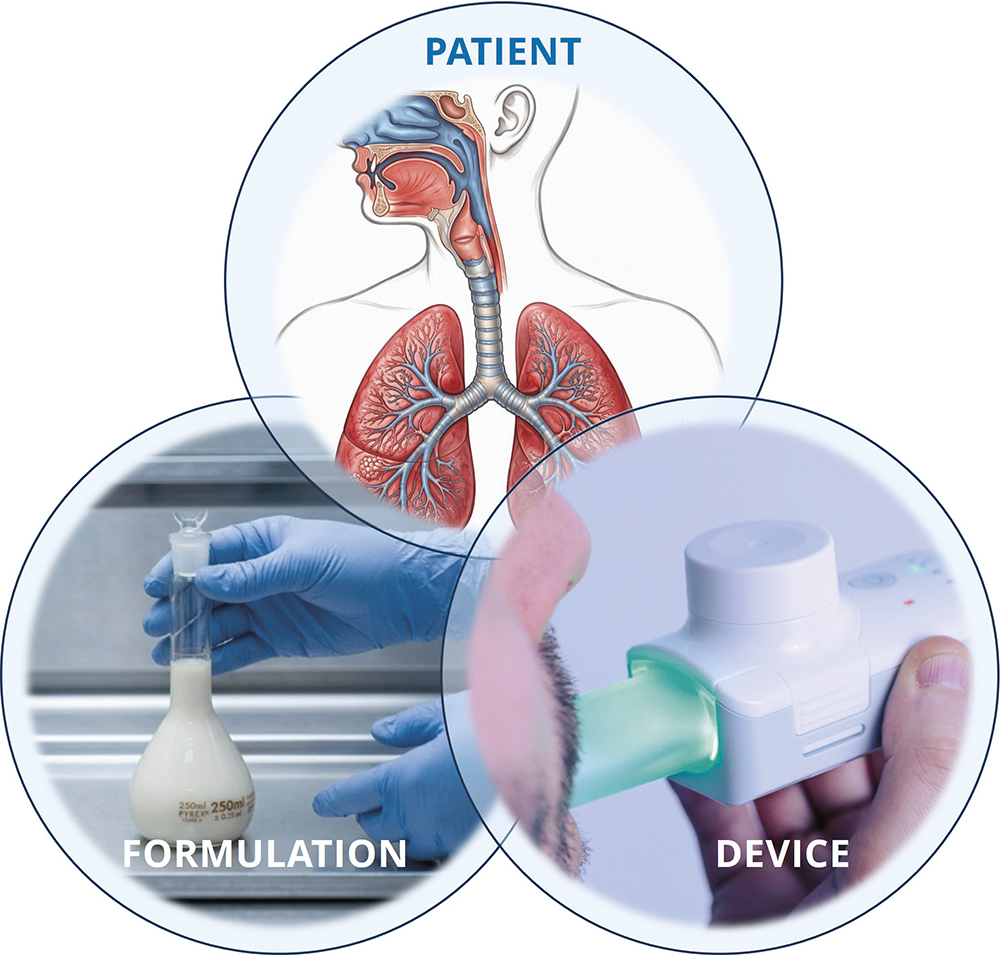
Figure 1: Patient, formulation and device considerations and their interdependencies in the early development of respiratory products.
“THIS SIMPLE FRAMEWORK IS BECOMING INCREASINGLY IMPORTANT AS INHALATION EXPANDS BEYOND ESTABLISHED SMALL MOLECULES INTO PROTEINS AND PEPTIDES.”
This simple framework is becoming increasingly important as inhalation expands beyond established small molecules into proteins and peptides; nucleic acid therapeutics, including messenger RNA (mRNA) delivery using lipid nanoparticle (LNP) systems; and biological agents such as bacteriophages. These biotherapeutics create new opportunities for local respiratory treatment, systemic delivery or mucosal immunisation. However, they also bring fragility, limited formulation space, stability constraints and analytical questions that cannot be solved by pursuing formulation science or device engineering independently. A formulation may be stable in a vial, yet change as a consequence of nebulisation, spray drying or reconstitution in lung fluid following deposition. Equally, a high-performing device is of limited value if the aerosolisation process compromises the biological activity of its formulation.
DELIVERY ROUTE AND DOSAGE FORM ARE CONNECTED DECISIONS
The respiratory tract is highly effective at capturing airborne particles and pathogens. Airway branching, mucociliary clearance and immune defences are essential to protect the nasal cavity and lungs, but they are also the main challenge for respiratory drug delivery. Local administration can place a biotherapeutic close to its site of action while limiting systemic exposure, which is an attractive proposition for diseases such as asthma, chronic obstructive pulmonary disease, idiopathic pulmonary fibrosis and respiratory infection. The nose and the lungs can also provide access to the systemic circulation for small peptides, potentially enabling a rapid onset of action and avoiding first-pass metabolism. In parallel, immune tissues in the nose and lungs create opportunities for mucosal vaccination against airborne pathogens.
“ONCE THE BIOLOGICAL TARGET, SITE OF ACTION AND DOSE ARE UNDERSTOOD, THE DOSAGE FORM BECOMES A CRITICAL DECISION.”
Once the biological target, site of action and dose are understood, the dosage form becomes a critical decision. Liquid formulations can offer a relatively direct route into preclinical and clinical trials, with requirements for cold-chain storage often being one of the main potential drawbacks. Nebulisation can also reduce dependence on the patient’s inspiratory effort for the aerosolisation process, which may be critical in severe respiratory diseases. By contrast, dry powders can improve portability and convenience, as one inhalation can often deliver a complete dose, as well as potentially reducing cold-chain dependence. However, dry powders require particle engineering, moisture control and a device capable of consistently dispersing the required payload across a broad range of inhalation conditions. For respiratory biotherapeutics, the preferred option is therefore not determined by one favourable attribute. It is the option that creates the best overall balance of biologic stability, aerosol performance, patient usability, manufacturability and clinical intent.
CASE STUDY 1: TRANSLATING AN INJECTABLE PROTEIN TO LUNG DELIVERY
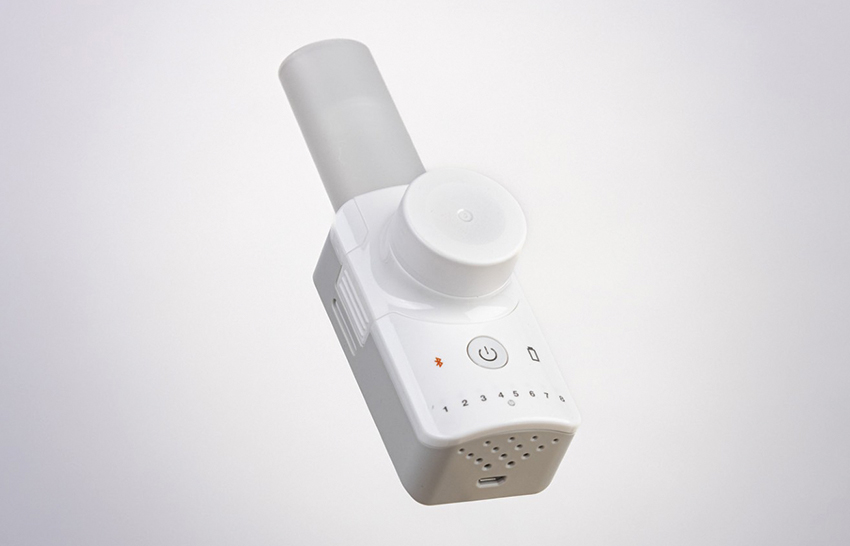
This first example concerns a recombinant protein originally developed for parenteral administration and subsequently considered for the local treatment of idiopathic pulmonary fibrosis. The intended patients may have had severely compromised inspiratory capacity, so the delivery platform needed to operate without demanding a high inspiratory flow. This requirement supported selection of a smart mesh nebuliser, such as the FOX™ Vibrating Mesh Nebuliser, which immediately connected the patient and device pillars of the framework.
The formulation was redesigned using excipients with a pulmonary precedent to support clinical readiness. Viscosity and surface tension were considered in the context of the selected nebuliser rather than as isolated formulation measurements. Once a suitable viscosity had been established, the surfactant used to support protein stability also reduced surface tension, increased output rate and offered the potential for a shorter treatment time (Figure 2).
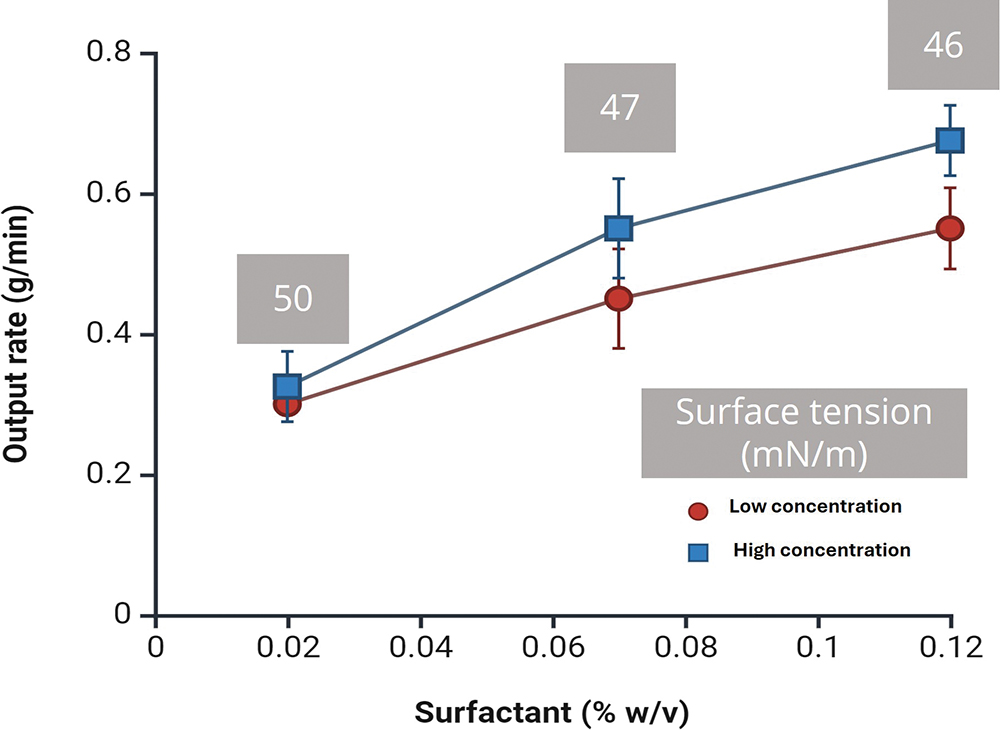
Figure 2: Parenteral-to-inhaled formulation optimisation of a recombinant protein – increasing surfactant concentration supported protein stability while reducing surface tension (mN/m) and increasing nebuliser output rate.
The central technical question, however, was not simply whether an aerosol could be generated. It was whether the recombinant protein could retain its relevant quality attributes and biological function after passing through the device. Orthogonal testing before and after nebulisation showed that the monomer content remained largely unchanged. Some higher-molecular-weight and basic species were observed, but potency was maintained. In practical terms, the formulation supported protein stability and nebuliser performance while also offering the potential to reduce treatment time for the patient.
CASE STUDY 2: ENGINEERING INHALABLE DRY-POWDER LNPs
This second case considers spray-dried LNPs for pulmonary delivery. LNPs have become established vehicles for RNA delivery and offer a route to therapies in which the patient’s own cells produce the therapeutic protein. Their potential extends beyond vaccination into areas such as protein replacement and cancer treatment. However, a conventional liquid LNP system can be constrained by the need for refrigeration or ultra-low-temperature storage and by the physical fragility of the nanoparticles. Converting an LNP into an inhalable powder could improve stability, reduce dependence on ultra-cold chain storage and, ultimately, broaden patient access, while enabling targeted respiratory delivery. However, drying introduces stresses that may alter the formulation’s nanoparticle size, cargo retention and colloidal behaviour after reconstitution in lung fluid.
“CONVERTING AN LNP INTO AN INHALABLE POWDER COULD IMPROVE STABILITY, REDUCE DEPENDENCE ON ULTRA-COLD CHAIN STORAGE AND, ULTIMATELY, BROADEN PATIENT ACCESS, WHILE ENABLING TARGETED RESPIRATORY DELIVERY.”
In an experiment to isolate the particle-engineering question, a surrogate cationic LNP containing polyadenylic acid was used. Formulations were spray dried with trehalose and either crystalline leucine or amorphous trileucine as shell-forming excipients. The distinction proved important. Leucine-containing powders were associated with marked LNP growth after reconstitution in water, whereas trileucine-containing formulations maintained LNP particle sizes below 155 nm. Shell-forming agents also improved aerosol performance, and the lead powders retained encapsulation of the cargo.
Device capacity formed part of the formulation strategy rather than being a later selection step. The powder was low density, low loading and the intended payload relatively high, so a high-payload dry powder inhaler (DPI) was selected. A single-dose disposable DPI concept device was then used to investigate dose escalation. Increasing blister fill weight raised the fine-particle dose without requiring reformulation, with an equivalent lung dose of up to 51 µg of surrogate cargo reported (Figure 3).
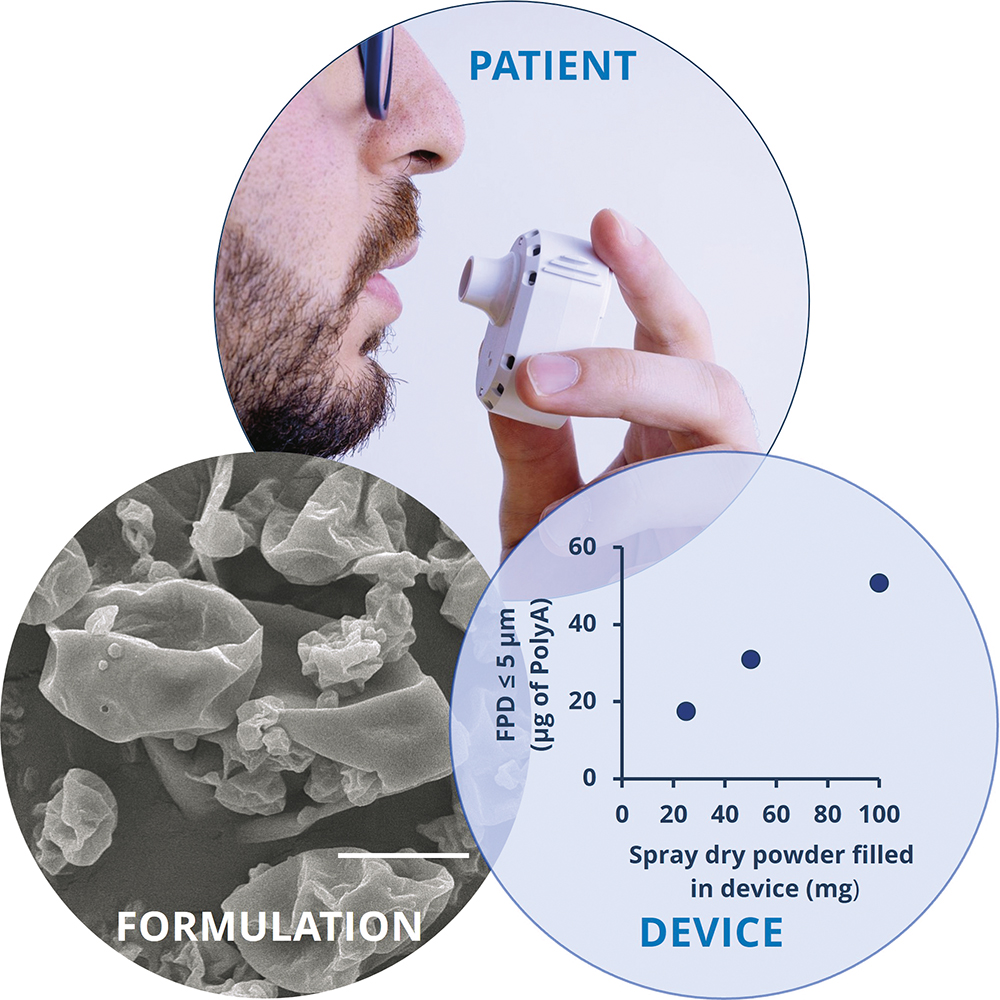
Figure 3: Spray-dried LNP case study illustrating the three-pillar framework – a single-dose disposable DPI concept device addresses convenient patient needs; a scanning electron image shows the LNP-containing spray-dried particles (white bar represents a 5 μm scale); and increasing fill weight enables dose escalation without reformulation.1
Work in this area continues to examine longer-term stability and more representative cargos. Even at this stage, the results show how formulation composition can protect the biotherapeutic nanoparticle and produce a readily dispersible powder, while device design provides a practical means of delivering a higher dose. Readers interested in the experimental design, aerosol data and mechanistic interpretation are directed to the full Drug Delivery to the Lungs (DDL) paper.1
CASE STUDY 3: MATCHING LNP COMPOSITION WITH NASAL DEPOSITION
This third case retains the LNP modality but changes the route to intranasal delivery as a model for mucosal vaccination. This change altered the target anatomy, spray analytics and deposition pattern. For mucosal vaccination, cationic lipids may provide adjuvant-like properties that support immune responses, whereas ionisable lipids are associated with efficient nucleic acid delivery and improved tolerability. A future mucosal nasal vaccine may need to balance these behaviours rather than maximise either in isolation.
In this study, cationic and ionisable LNPs were prepared with different PEGylated lipid contents and tested using an off-the-shelf syringe fitted with a nasal nozzle. Increasing PEGylated lipid content generally improved post-actuation cargo recovery. Aerosol characterisation showed an appropriate spray pattern and plume geometry, with a low fraction of droplets below 10 µm, reducing the potential for unintended lung penetration.
Deposition was assessed using an anatomically representative KOKEN (Tokyo, Japan) nasal cast (Figure 4). The LNP-containing formulation deposited predominantly in the turbinate region, with lower deposition in the nasal vestibule and olfactory region. This pattern may be relevant to mucosal vaccination, as recent work has shown that IgA-secreting plasma cells accumulate in the turbinate region following nasal immunisation, identifying the turbinates as an important effector site for upper-airway immunity.2 The complete formulation matrix of the case study, post-actuation characterisation and aerosol findings are available in the DDL publication,3 which provides detailed data.
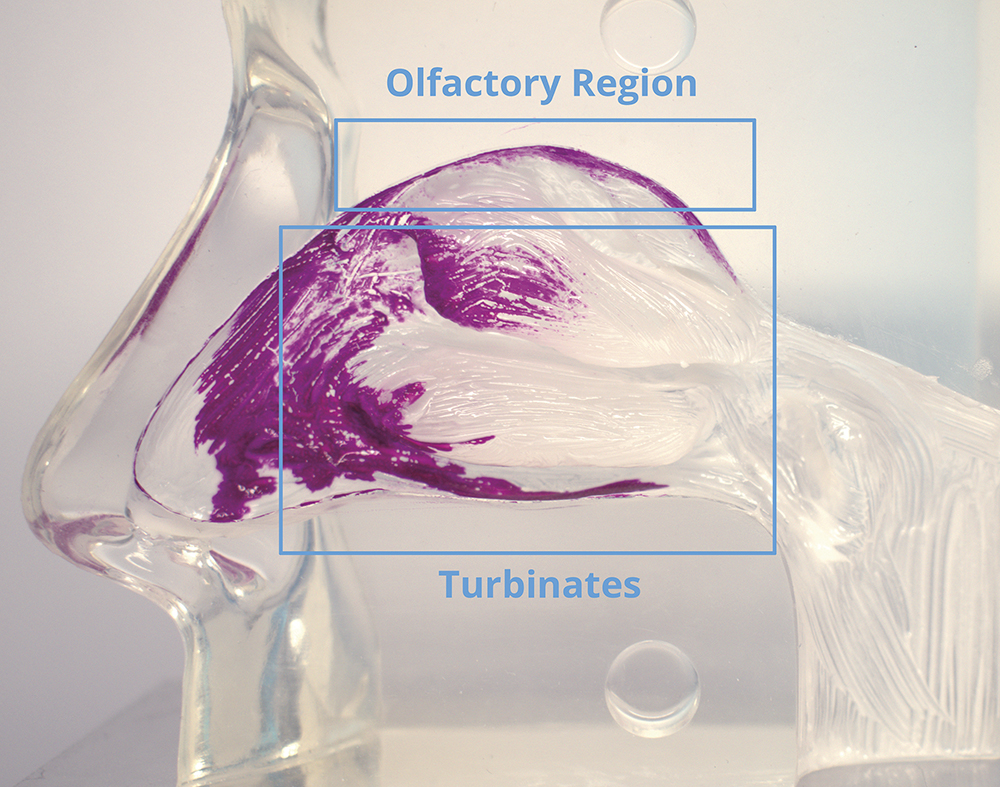
Figure 4: Intranasal LNP case study – deposition of an optimised LNP formulation in a KOKEN nasal cast as a model for mucosal vaccination.
EARLY INTEGRATION CREATES BETTER DEVELOPMENT CHOICES
Across the three case studies, the pharmaceutical modalities, dosage forms and target anatomies were different, but the development logic consistently followed the respiratory framework. Patient needs defined what the system had to achieve. Formulation design protected the biologic and established the physical characteristics of the dose. Device selection and engineering converted that dose into the required aerosol or spray and supported its intended use. None of those activities would have been successful if pursued in isolation.
“THIS INTEGRATED APPROACH IS NOT SIMPLY A WAY TO IMPROVE DEVELOPMENT EFFICIENCY; IT IS THE FOUNDATION OF A CREDIBLE DEVELOPMENT STRATEGY.”
ACKNOWLEDGEMENT
The author acknowledges the Phillips Medisize Inhalation team for its contributions to the integrated formulation and device work described in this article. Particular thanks are due to Carla Roces, Neil Forbes, Gemma Keegan, Marta Morais, Kerry Carr, Ben Moshi, Anand Bakle, Cheryl Mendonca and Elena Galfre for their contributions to the protein and LNP case studies, including formulation development, aerosol characterisation, device assessment and nasal deposition studies.
REFERENCES
- Puig-Sellart M et al, “Mitigating colloidal instability in inhaled spray dried lipid nanoparticles using an amorphous shell former”. DDL Conf Proc, 2025, Vol 36, pp 537–540.
- Liu J et al, “Turbinate-homing IgA-secreting cells originate in the nasal lymphoid tissues”. Nature, 2024, Vol 632, pp 637–646.
- Forbes N et al, “Development of cationic and ionisable LNPs for intranasal delivery: the influence of PEGylation on formulation characteristics”. DDL Conf Proc, 2025, Vol 36, pp 336–339.