
To Issue 191
Citation: Kneer I, “Implantable Drug Delivery Systems: Building a Robust Supply Chain from Polymer Extrudate to Commercial Product”, ONdrugDelivery, Issue 191 (Oct 2026), pp 160–164.
Ingmar Kneer discusses the broader considerations of commercialising an implantable drug delivery system beyond the implant itself, considering factors such as manufacturing, automation, regulatory concerns, traceability and the accompanying delivery system.
Drug-loaded implantable delivery systems are attracting increasing interest across a broad range of therapeutic areas, including ophthalmology, oncology, endocrinology, veterinary and women’s health. By providing sustained and controlled release of APIs over weeks, months or even years, these systems can reduce dosing frequency, improve patient adherence and support better therapeutic outcomes.
While scientific discussions often focus on the implant itself and its release characteristics, the successful commercialisation of an implantable therapy depends on a far broader ecosystem. Implantable products are complex combination products that bring together pharmaceutical development, medical device engineering, sterilisation technologies, packaging systems and highly specialised manufacturing processes.
As regulatory expectations continue to evolve under the EU Medical Device Regulation (MDR) and pharmaceutical good manufacturing practice (GMP) requirements, manufacturers increasingly need to establish resilient, transparent and scalable supply chains capable of supporting both clinical development and global commercialisation.
THE FOUNDATION: DEVELOPING THE IMPLANT
The supply chain for an implantable therapy begins with the implant itself. Many long-acting implants use biodegradable polymer matrices that gradually degrade in the body while controlling the release of the incorporated drug substance.
The selection of suitable raw materials is a critical success factor. Polymer characteristics, such as molecular weight, composition and degradation behaviour, directly influence the release profile of the API and, ultimately, the clinical performance of the product. Consequently, pharmaceutical-grade materials with well-defined specifications, robust quality systems and long-term supply security are essential.
In addition to material selection, significant formulation expertise is required to design an implant that can deliver the intended release kinetics. Formulation scientists must carefully optimise the composition of the extrudate and its manufacturing processes to achieve a reproducible drug-release profile throughout the intended treatment period.
It is important to note that not every API is suitable for use in an implantable drug delivery system. The implant manufacturing process itself may limit API selection. For example, thermal stability is required during extrusion or other processing steps.
“DEMONSTRATING AND MONITORING DRUG-RELEASE CHARACTERISTICS REQUIRES SOPHISTICATED PROCESSES CAPABLE OF GENERATING RELIABLE RELEASE DATA DURING PRODUCT DEVELOPMENT, PROCESS VALIDATION AND LIFECYCLE MANAGEMENT.”
Analytical capabilities are equally important. Demonstrating and monitoring drug-release characteristics requires sophisticated processes capable of generating reliable release data during product development, process validation and lifecycle management. As a result, successful implant development depends on the close interaction of material science, pharmaceutical formulation and analytical expertise.
CREATING A DRUG-DEVICE COMBINATION PRODUCT
Following manufacture of the implant, the next critical step is the integration of the drug-loaded implant with a delivery device. This stage transforms individual components into a drug-device combination product and requires the interaction of pharmaceutical and medical device manufacturing disciplines.
Assembly is typically performed on dedicated filling and assembly lines designed to meet the requirements associated with both the therapeutic product and the delivery device. Depending on the characteristics of the implant and the API, different manufacturing approaches may be selected.
One option involves assembly under controlled GMP conditions followed by terminal sterilisation, often using gamma irradiation. This strategy can offer a robust sterility assurance approach but requires all materials and components to be compatible with the sterilisation process.
Alternatively, manufacturers may adopt an aseptic manufacturing strategy. In this scenario, device components are sterilised in advance using validated methods, such as gamma irradiation or ethylene oxide, and final assembly is subsequently performed under aseptic conditions.
“EFFECTIVE COLLABORATION BETWEEN PHARMACEUTICAL MANUFACTURERS, DEVICE DEVELOPERS AND STERILISATION PARTNERS IS ESSENTIAL THROUGHOUT THE PRODUCT LIFECYCLE.”
The chosen manufacturing route influences facility design, process validation requirements, supply-chain logistics and regulatory submissions. Consequently, effective collaboration between pharmaceutical manufacturers, device developers and sterilisation partners is essential throughout the product lifecycle.

Figure 1: It is crucial for implant applicators to enable safe, reliable placement of the implant into the intended tissue.
THE ROLE OF THE APPLICATOR
While the implant itself plays a central therapeutic role, the delivery device is equally important in ensuring successful administration and overall product performance. Implant applicators must enable reliable placement of the implant into the intended tissue layer while supporting safe handling by healthcare professionals (Figure 1). Achieving these objectives can be particularly challenging, as multiple mechanical, functional and safety-related requirements must be integrated into a compact device architecture.
One example is the implant syringe platform developed by GAPLAST (Figure 2), which incorporates several design features intended to address the practical challenges associated with subcutaneous implant administration, including:
- A retention mechanism that helps prevent the implant from unintentionally leaving the device before administration
- A viewing window that allows visual confirmation of implant presence within the device before administration
- Controlled deployment of the implant into the puncture channel, supporting placement without unnecessary trauma to the tissue, depending on implant length and application technique
- Visual confirmation of successful implantation through a visible mandrel position at the end of the application process, helping users verify that the implant has been correctly deployed
- An integrated passive needle-retraction system that automatically retracts the needle into the syringe body immediately after administration without requiring a separate activation step or additional safety shield
- A compact mechanical architecture that integrates multiple functionality and safety features within a limited device footprint.
Such functionality may appear straightforward from a user perspective, but integrating these mechanisms into a small, disposable device presents significant engineering and manufacturing challenges. Each feature must function reliably throughout the product’s lifecycle and remain compatible with automated large-scale production.
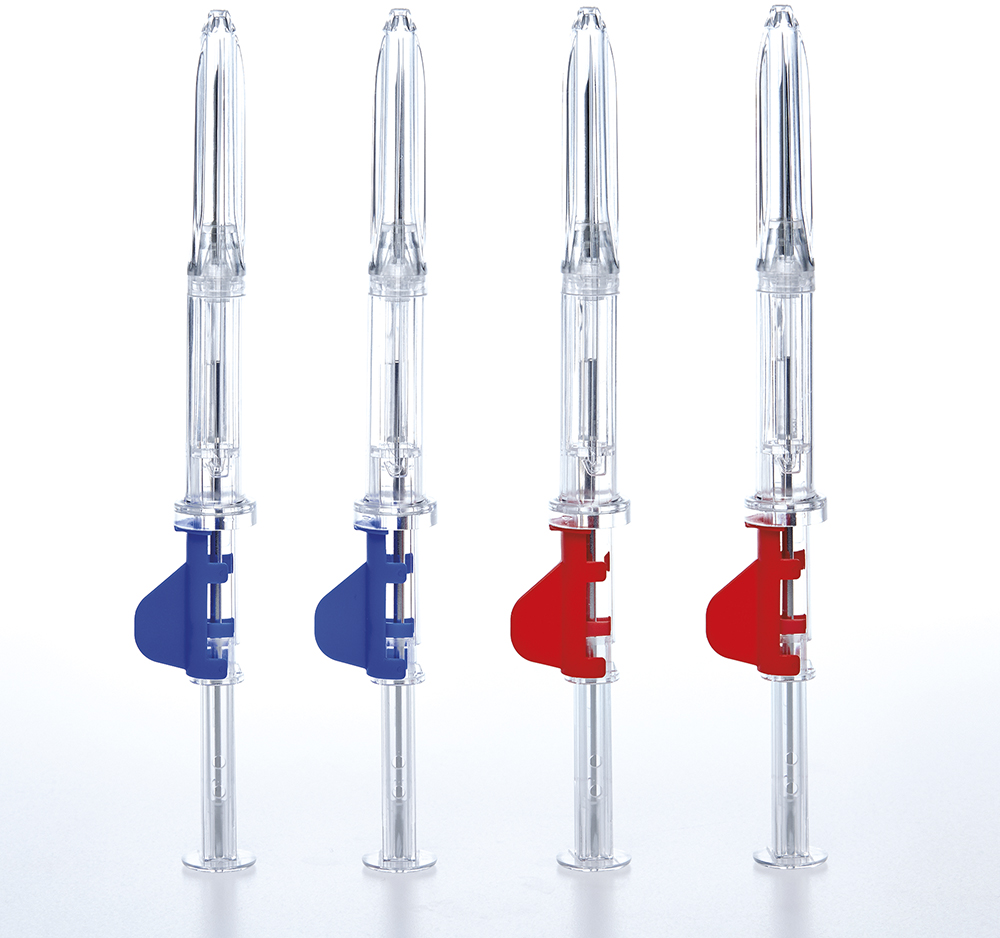
Figure 2: GAPLAST’s BiStep Precision® Implant Syringe.
FROM DEVICE DEVELOPMENT TO INDUSTRIALISATION
For implantable drug delivery systems, innovation alone is not sufficient. Successful commercialisation depends on the ability to transfer complex device concepts into robust, scalable and economically viable manufacturing processes. This challenge becomes particularly apparent for implant applicators incorporating multiple miniature components and sophisticated safety mechanisms. The manufacturing process must ensure that every device performs consistently while also meeting stringent quality and regulatory requirements.
To address these challenges, manufacturers are increasingly investing in advanced automation technologies. GAPLAST has recently established a dedicated automated production line in Germany for implant syringe manufacturing, along with the necessary documentation, to facilitate global commercialisation. This development reflects a broader industry trend towards the industrialisation of increasingly complex combination products. The purpose of such automation extends well beyond increasing production volumes. Advanced manufacturing systems support:
- Precise assembly of miniature mechanical components
- High levels of process repeatability and reproducibility
- Reduced need for operator intervention
- In-line process monitoring
- Automated functional and quality inspections
- Comprehensive electronic documentation of manufacturing activities
- Efficient transition from pre-serial production volumes to commercial-scale manufacturing.
For implantable drug-device combination products, such automated production concepts are becoming increasingly important for ensuring consistent quality, reliable supply and regulatory compliance.
MANAGING SPECIALISED SUPPLIERS
The supply chain for implantable therapies relies on a network of highly specialised partners contributing critical materials, components and services. These suppliers may provide pharmaceutical-grade polymers, cannulas, stainless-steel mandrels, injection-moulded components, packaging materials, sterilisation services or other critical supplies or functions. Each partner contributes directly to the overall performance and quality of the finished product.
Needles and mandrels are particularly important examples. Their geometry, dimensional precision and surface characteristics can directly influence insertion performance, implantation accuracy and patient comfort during administration.
For this reason, manufacturers typically implement comprehensive supplier qualification programmes that include audits, incoming inspections, validation activities and continuous performance monitoring. Such processes can help to ensure consistent quality throughout the product lifecycle and support the transparency expected by modern regulatory frameworks.
TRACEABILITY AS A CORE MANUFACTURING REQUIREMENT
Under the MDR, traceability has become a central consideration for combination products. Manufacturers must maintain detailed documentation covering materials, components, manufacturing processes and quality controls throughout the product lifecycle.
For implantable therapies, this requirement is particularly important because pharmaceutical and medical device elements are combined within a single product. Effective traceability supports product investigations, post-market surveillance activities and long-term risk management.
“GAPLAST’S APPROACH ENABLES TRACEABILITY AT THE LEVEL OF THE INDIVIDUAL SYRINGE AND DEMONSTRATES HOW DIGITAL MANUFACTURING TECHNOLOGIES CAN ENHANCE TRANSPARENCY ACROSS THE SUPPLY CHAIN.”
To address these requirements, manufacturers are increasingly integrating digital traceability systems into their production environments. One example is the approach implemented by GAPLAST within its newly established automated implant syringe production line. As part of this manufacturing concept, every individual implant syringe receives a unique data matrix code. This identifier is linked to manufacturing-specific records and quality-related information, including component batches, material lots, purchased parts and production data generated during manufacturing and inspection processes, making GAPLAST’s implant syringe platform a truly data-driven device.

Figure 3: GAPLAST’s data matrix system enables traceability down to the level of an individual syringe, enabling the BiStep Precision® Implant Syringe to become a data-driven device.
GAPLAST’s approach enables traceability at the level of the individual syringe and demonstrates how digital manufacturing technologies can enhance transparency across the supply chain (Figure 3). Beyond regulatory compliance, such systems can support quality investigations, process optimisation and lifecycle management activities. Looking to the future, enabled by its data matrix code system, GAPLAST is demonstrating how next-generation implantable drug delivery systems are evolving into data-driven devices, integrating manufacturing, quality, regulatory and patient-use data across the entire product lifecycle.
FILLING, FINAL ASSEMBLY AND PACKAGING
To facilitate efficient filling of the implant syringe with the drug-loaded implant, it can be advantageous for the device manufacturer to supply the syringe to the pharmaceutical manufacturer in two pre-assembled subunits – the syringe body and the plunger unit. Under GMP-compliant conditions, the pharmaceutical manufacturer can then load the extruded implant into the depot area of the syringe body, close the device with the plunger unit, and subsequently label and package the finished syringe in accordance with the defined product requirements.
Appropriate in-process controls should be implemented for this final assembly step in order to verify correct implant loading, closure and device integrity. In GAPLAST’s system, the data matrix code applied to the device can also be linked with the relevant manufacturing and filling data, thereby extending traceability from device production through to final pharmaceutical assembly.
COMPLETING THE PRODUCT
The implant syringe represents only one component of the final commercial product. Before release, several additional elements must be incorporated into the final packaging configuration. These commonly include:
- Product labels
- Desiccant-containing systems (where required)
- Aluminium laminate barrier pouches
- Secondary packaging
- Instructions for use
- Transport and protective packaging materials.
Each component contributes to product stability, usability and regulatory compliance. As a result, packaging suppliers and contract packaging organisations form important parts of the broader supply chain for implantable therapies.
CONCLUSION
Implantable drug delivery systems represent one of the most sophisticated forms of drug-device combination products currently entering the healthcare market. While the implant itself often receives the greatest attention, successful commercialisation depends on a highly integrated supply chain that extends from polymer selection and formulation development through to device manufacturing, sterilisation, traceability and packaging.
As regulatory expectations continue to evolve under the MDR, manufacturers must ensure that product quality, patient safety and supply-chain transparency are embedded throughout the value chain. At the same time, increasing product complexity is driving greater investment in automation, digital traceability and advanced manufacturing technologies.
The recent implementation of a dedicated automated implant syringe manufacturing line and individual-syringe-level traceability by GAPLAST illustrates how the industry is addressing these challenges. Ultimately, the ability to combine pharmaceutical expertise, medical device engineering and industrialised manufacturing within a robust and transparent supply chain will be a key factor in enabling the next generation of implantable drug delivery therapies.