
To Issue 191
Citation: Quigg T, Ogden K, Ingawale S, “Platforms in Biopharma Device Development: From Practice to Strategy”, ONdrugDelivery, Issue 191 (Oct 2026), pp 46–50.
Tim Quigg, Katie Ogden with Dr Shirish Ingawale discuss some of the key points from the 2026 PFS & Injectable Drug Devices East Coast Conference regarding biopharma platform technology.
Platform approaches have become an increasingly important strategy in drug-device combination product development. As pipelines expand, development timelines compress and pressure mounts to reduce cost and complexity, while pharmaceutical organisations search for ways to harness common device, container and development architectures across multiple products.
At the PFS & Injectable Drug Devices East Coast Conference in April 2026 (SAE Media Group, Boston, MA, US), discussions revealed and reinforced an industry that broadly believes in the promise of platform devices but continues to face significant challenges in their implementation. A central tension was highlighted – while platforms offer speed, efficiency, knowledge reuse and scalability, they must also accommodate increasingly diverse drug products, evolving patient needs and changing regulatory expectations. Success depends not only on technology but also on organisational alignment, strategic investment and collaboration across the ecosystem.
LESSONS FROM CURRENT PLATFORM USE – WHERE THE INDUSTRY STANDS TODAY
Most organisations have already adopted some degree of platform thinking, particularly around primary containers, fill-finish systems, capital expenditure, process engineering and delivery devices. However, adoption across the industry is far from uniform.
In many companies, platforms have evolved organically rather than through deliberate enterprise-wide strategies. As a result, teams often use the term “platform” differently, creating uncertainty around ownership, intended scope and expected benefits. While some view a platform as a reusable (used across two or more drug assets) device architecture, others consider it in broader terms, encompassing the container, formulation technologies, manufacturing processes and even supporting documentation. Despite these differences, there is broad agreement that platforms can significantly improve development efficiency when implemented effectively.
WHAT ARE THE BARRIERS LIMITING EFFECTIVE PLATFORM ADOPTION TODAY?
Regulatory Uncertainty and Shared Risk
A recurring theme was the lack of regulatory clarity regarding platform approaches. While many companies hope to use existing testing and validation data across multiple products, questions remain regarding the extent to which regulators will accept bridging strategies and platform-based evidence (Figure 1).
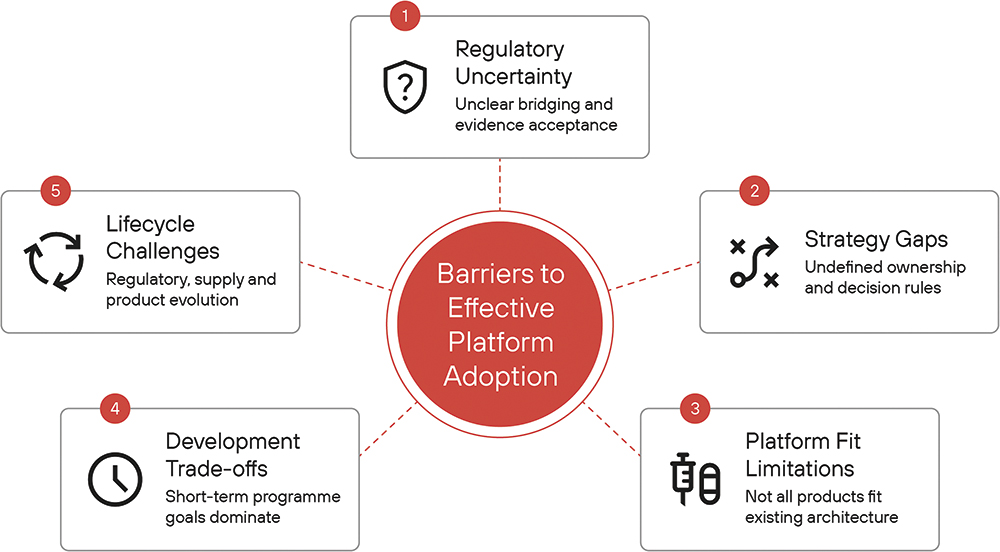
Figure 1: Barriers limiting effective platform adoption today.
The risk is amplified because platform failures have broader consequences. A defect, design issue or regulatory challenge affecting a platform could impact multiple products simultaneously, creating significant portfolio-level exposure. This often makes organisations cautious about their commitment to platform approaches.
Lack of Clear Platform Strategy
The discussions highlighted uncertainty around platform governance, with questions including:
- What qualifies as a platform?
- Who owns platform decisions?
- When should programmes adopt or deviate from a platform?
- How should success be measured?
Without clear strategies and decision-making frameworks, platform initiatives can struggle to gain full organisational support. Development teams often prioritise immediate, product-specific objectives over longer-term platform goals.
Platform Fit Limitations
One of the greatest technical challenges is that no two drug products are identical. Variables such as viscosity, volume, stability requirements, delivery requirements, target patient populations and material compatibility may push products beyond the boundaries of an existing platform.
Participants described the challenge as attempting to fit a square peg into a round hole. While standardisation is desirable, some therapies require specialised solutions that cannot easily conform to a pre-existing architecture, which can create tension between platform efficiency and product optimisation.
Time and Development Trade-Offs
Successful platforms often require significant upfront investment. Defining design spaces, validating platform performance, generating supporting data and understanding platform limits all require time and resources. However, development teams are often incentivised to deliver individual products quickly. As a result, teams frequently choose short-term programme needs over broader platform development objectives. What benefits the organisation in five years may not align with what delivers the next regulatory submission fastest.
Lifecycle and Execution Challenges
Platforms are not static and, with product evolution, organisations face ongoing challenges, such as lifecycle management, new regulatory requirements, emerging and unmet patient needs, supply chain changes and post-approval modifications.
Many conference participants noted that format transitions, such as moving from vial to prefilled syringe and eventually to an autoinjector, have effectively become standard practice. These transitions can challenge original platform assumptions and require substantial rework if flexibility was not designed in from the outset.
WHAT IS WORKING TODAY?
Speed and Efficiency Gains
The strongest argument for platforms is their ability to accelerate development (Figure 2). Established platforms allow teams to reuse known processes, reduce duplicate testing, minimise engineering effort, streamline manufacturing and improve predictability. Rather than starting each programme from scratch, organisations can build on proven foundations, shortening development timelines and reducing risk.
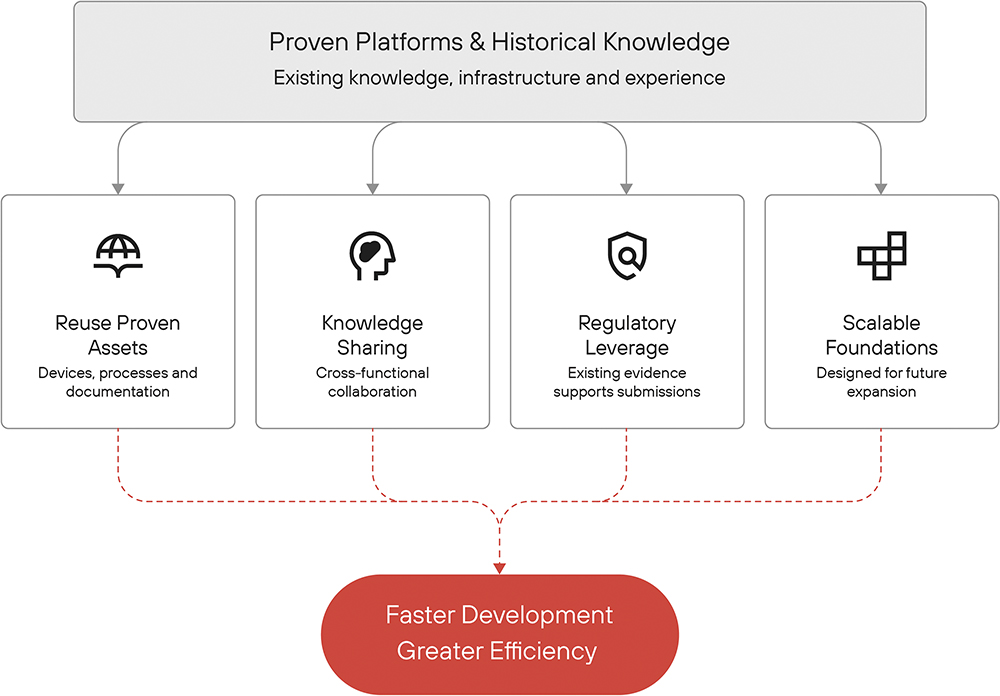
Figure 2: Factors driving successful platform adoption.
Reuse of Proven Platforms
Increasingly, organisations are using existing container systems and manufacturing infrastructure, along with their accompanying design verification protocols, technical documentation and historical development knowledge. This reuse reduces duplication and helps companies capture the value of previous investments. Participants highlighted that proven “workhorse” devices often deliver substantial benefits across numerous programmes.
Cross-Functional Alignment and Knowledge Sharing
Successful platforms depend heavily on collaboration. Conference participants emphasised the importance of bringing together:
- Formulation scientists
- Device engineers
- Regulatory specialists
- Manufacturing teams
- Commercial stakeholders.
Shared technical knowledge creates shared confidence. Companies that actively capture and distribute platform learnings are better positioned to make informed decisions and avoid repeating past mistakes.
Regulatory Understanding
Although regulatory uncertainty remains a concern, established platforms can provide meaningful advantages. When organisations have robust historical data, established validation strategies and clearly defined design spaces, regulatory submissions become more predictable. Existing evidence can support future programmes and reduce the amount of new data required.
Scalable Platform Foundations
The most successful organisations are building platforms designed for expansion rather than immediate programme needs alone. By creating broader design spaces and establishing reusable development frameworks, companies can position themselves to support future products more efficiently while maintaining flexibility.
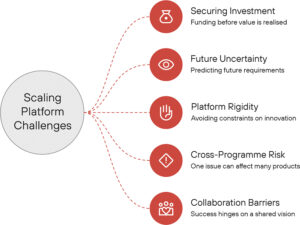
Figure 3: Challenges to scaling platforms.
OVERCOMING BARRIERS: WHAT ARE THE CHALLENGES TO SCALING PLATFORMS?
Upfront Investment Constraints
The business case for platform investment remains a major challenge. Significant investment in platform infrastructure is often required before a specific product can justify the cost, which can make it difficult to secure funding, especially within organisations focused on programme-level returns (Figure 3). Many conference participants recognised that platform investment frequently competes with immediate product-development priorities.
Future Uncertainty and Design Risk
Designing platforms for future products requires predicting requirements that may not yet exist. Organisations must decide:
- How broad the design space should be
- Which parameters are worth accommodating
- How much flexibility is necessary.
Over-engineering creates unnecessary complexity and cost. Under-engineering may restrict future adoption. Finding the balance remains one of the industry’s biggest challenges.
“PLATFORM STRATEGIES MUST THEREFORE BE SUFFICIENTLY FLEXIBLE TO ACCOMMODATE THERAPIES THAT GENUINELY REQUIRE UNIQUE SOLUTIONS; STANDARDISATION SHOULD ENABLE INNOVATION, NOT RESTRICT IT.”
Platform Rigidity Versus Portfolio Needs
Platforms can unintentionally constrain innovation. In some organisations, large investments create pressure to force products onto existing platforms even when alternative approaches may provide better outcomes. Platform strategies must therefore be sufficiently flexible to accommodate therapies that genuinely require unique solutions; standardisation should enable innovation, not restrict it.
Regulatory and Cross-Programme Risk
As platform adoption expands, so does potential exposure. Changes in regulatory expectations could impact multiple products sharing a common platform at once. Likewise, quality or performance issues may create portfolio-wide consequences. This “eggs all in one basket” risk continues to influence platform decision-making across the industry.
Alignment and Collaboration Barriers
Delegates repeatedly identified organisational alignment as one of the most significant challenges. Platform success requires agreement across departments, functions and leadership teams. Without a shared vision, platform initiatives often struggle to maintain momentum or secure consistent support.
OPPORTUNITIES FOR NEXT-GENERATION PLATFORMS
Modular and Scalable Architectures
The strongest future vision to emerge from the discussions was modularity. Rather than creating rigid platforms, organisations increasingly see value in configurable systems consisting of reusable building blocks (Figure 4). These architectures could support:
- Multiple primary containers
- Different patient populations
- Various drug products
- Future design evolution.
The key message was that modularity enables reuse without sacrificing flexibility.
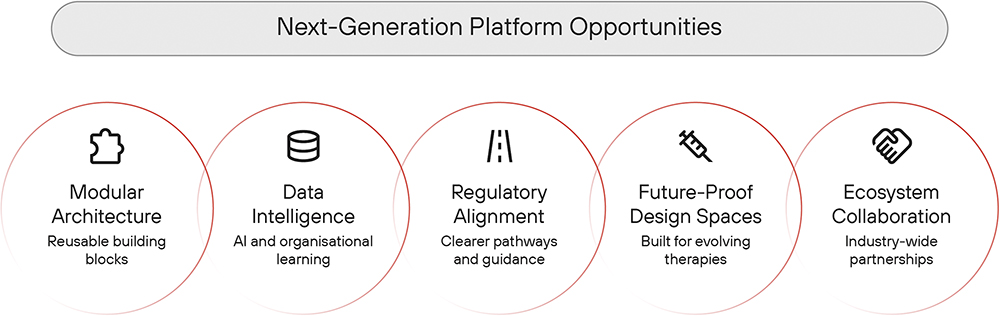
Figure 4: Opportunities for next-generation platforms.
Data-Driven Platform Intelligence
Delegates recognised a significant opportunity to use data more effectively, believing that future platform development could benefit from structured internal databases and historical testing repositories. Nearest-neighbour analyses, shared organisational learning, predictive modelling and artificial intelligence-driven insights could also be beneficial. Rather than repeatedly generating similar knowledge, companies can develop increasingly intelligent platform ecosystems that improve decision-making over time.
Regulatory Alignment and Acceptance
A future state where regulators are more comfortable with platform approaches was viewed as a potential major accelerator of adoption. Possible improvements include:
- Clear regulatory pathways
- Platform-specific guidance
- Defined bridging expectations
- Drug-product-agnostic approaches
- Greater agency engagement.
As precedent grows, confidence in platform-based submissions is expected to increase.
Expanded and Future-Proofed Design Spaces
Delegates advocated for defining platform design spaces more broadly from the outset, and rather than optimising narrowly around current requirements, the general consensus was that future platforms should anticipate new formulations, emerging therapies, paediatric applications, higher viscosities and new delivery paradigms. Building flexibility into the platform at an early stage may significantly reduce future redevelopment needs.
Ecosystem Collaboration
Perhaps the most transformative opportunity discussed was greater collaboration across the industry, with delegates envisioning stronger partnerships between:
- Drug developers
- Device manufacturers
- Packaging suppliers
- Regulatory bodies
- Industry associations.
“GREATER ECOSYSTEM COLLABORATION COULD ACCELERATE LEARNING, REDUCE DUPLICATION AND HELP ESTABLISH COMMON STANDARDS THAT BENEFIT THE ENTIRE SECTOR.”
Some even proposed more open sharing of platform knowledge and lessons learned. Greater ecosystem collaboration could accelerate learning, reduce duplication and help establish common standards that benefit the entire sector.
THE ROAD AHEAD
Discussions at the conference revealed an industry undergoing a fundamental shift from project-centred development towards platform-centred thinking. Today, organisations clearly recognise the benefits of platforms – faster development, lower costs, reduced risk, more consistent user experiences and improved scalability. These benefits, however, remain difficult to capture consistently because of regulatory uncertainty, organisational silos, investment challenges and concerns about platform flexibility.
The future appears increasingly centred on modular, data-driven platforms supported by stronger governance and broader collaboration. Organisations that define clear platform strategies, invest in reusable knowledge, establish cross-functional ownership and engage proactively with regulators are likely to gain significant advantages.
Most importantly, the conversations suggest that platform development is no longer simply an engineering exercise – it is becoming a strategic capability. The companies that succeed will be those that can balance standardisation with flexibility, use data to expand platform boundaries intelligently and invest ahead of immediate programme needs. By doing so, they will not only accelerate individual product launches but also create sustainable development ecosystems capable of supporting the next generation of biopharmaceutical innovation.
The next SAE PFS & Injectable Drug Devices Conference is the Europe event, which takes place in London in January 2027.
Previous article
ASSEMBLY CONCEPTS FOR WEARABLE INJECTORS BASED ON ROINext article
END-OF-DOSE CLICK-BAIT: HARDER THAN IT SOUNDS