INJECTION
DUAL CHAMBER
FORMULATION
PFS
WEARABLES
ALL INJECTION
OCULAR
ORAL
RESPIRATORY
PULMONARY
NASAL
ALL RESPIRATORY
SKIN
SUSTAINABILITY
MORE
INTERVIEWS
EXPERT VIEWS
EARLY INSIGHTS
COMPANY LISTINGS
OUR AUTHORS
THE MAGAZINE
EVENTS
ED CALENDAR
CONTRIBUTE
MEDIA PACK 2027
Subscribe
INJECTION
DUAL CHAMBER
FORMULATION
PFS
WEARABLES
ALL INJECTION
OCULAR
ORAL
RESPIRATORY
PULMONARY
NASAL
ALL RESPIRATORY
SKIN
SUSTAINABILITY
MORE
INTERVIEWS
EXPERT VIEWS
EARLY INSIGHTS
COMPANY LISTINGS
OUR AUTHORS
THE MAGAZINE
EVENTS
ED CALENDAR
CONTRIBUTE
MEDIA PACK 2027
SEARCH
SEARCH
advanced search
PULMONARY
INTERVIEW
Bill Welch
Phillips Medisize
BILL WELCH, PHILIPS-MEDISIZE
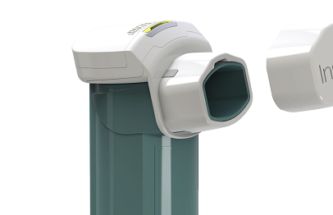
Mr Welch gives ONdrugDelivery Magazine an exclusive preview of Phillips-Medisize’s forthcoming workshop, “Realizing the Benefits of Connected Health in Respiratory Drug Delivery”.
PULMONARY
Dr Filipa Maia
Hovione
INTEGRATED DESIGN SPACE TO DEVELOP BETTER DPI FORMULATIONS
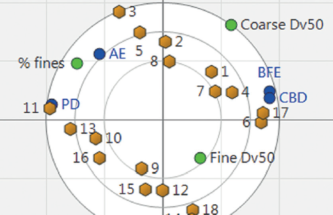
Filipa Maia and Maria Palha report a study whose objective was to establish relationships between blend rheology, product performance and capsule filling process efficiency.
CONFERENCE SHOWCASE
Dr Philip Kuehl
THE 21ST INTERNATIONAL SOCIETY FOR AEROSOLS IN MEDICINE CONGRESS
The International Society for Aerosols in Medicine (ISAM) is a scientific society focused on all areas of aerosols including health effects of aerosols and pulmonary drug delivery.
EXPERT VIEW
Stephen Duckworth
ASSURE INHALER SAFETY & PERFORMANCE: POLYMERS, COLOUR & ADDITIVES
Stephen J Duckworth describes some of the application of polymer colourants and additives in respiratory drug delivery devices, highlighting the strict regulatory environment.
PULMONARY
Jean Vuillecard
Biocorp
PRODUCT SHOWCASE: BIOCORP’S INSPAIR
™
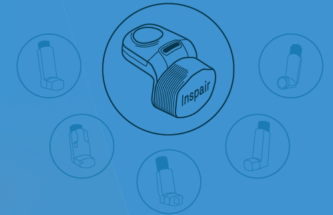
Inspair™ is a sensing technology able to measure inhalation metrics and therefore provide an accurate insight into actual doses consumed.
EXPERT VIEW
Harry Peters
SELECTION OF EXCIPIENTS FOR DRY POWDER INHALERS
Harry Peters and Gerald Hebbink explain how, because dry powder inhalers need a carrier to help with ensuring the drug is effectively delivered, interest has been focused on developing inhalation-grade lactose for this purpose.
PULMONARY
Jean Vuillecard
Biocorp
LEVERAGE TECH TO OVERCOME PULMONARY DELIVERY BARRIERS
Jean Vuillecard and Eric Dessertenne define the limitations of traditional strategies to train, educate and track adherence with inhaled therapeutics and show how connectivity and other add-on digital tech can support these strategies healthcare providers require.
PULMONARY
Paul Sullivan
Noble
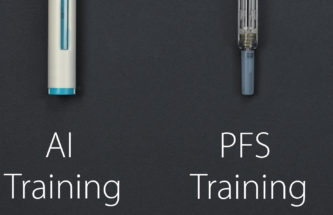
PATIENT PREFERENCE: DEVICE TRAINING & EDUCATION TOOLS
Paul Sullivan and Craig Baker point out that most patients with asthma do not use their inhaler properly, and review evidence from a trial of five different methods designed to improve inhaler use. They conclude that training devices could be effective tools to increase patient confidence and reduce anxiety.
PULMONARY
Susana Ecenarro
Qualicaps
AN ENVIRONMENTALLY FRIENDLY & EFFICIENT DOSAGE FORM
Susana Ecenarro Probst presents evidence, set against the backdrop of environmental concerns over HFC propellants in MDIs, supporting the adoption of dry-powder inhalers as an attractive alternative.
EXPERT VIEW
David Harris
LEARNING TO WALK BEFORE WE RUN
David Harris highlights basic problems with inhalers that persist today, and describes why - as the industry looks increasingly towards developing "smart" and connected inhalers - it is important to remember to solve these basic problems.
PULMONARY
Dr João Ventura Fernandes
SCALING-UP FOR HIGH DOSE DELIVERY TO THE LUNGS
João Ventura Fernandes, Gonçalo Rebelo de Andrade and Peter Villax describe the scaling up of the currently marketed TwinCaps® inhaler into the new TwinMax™ design for high-dose delivery of challenging drug-alone formulations in single to short-term treatments and emergency situations.
PULMONARY
Déborah Le Pennec
Malvern Panalytical
GENERIC NEBULISER BIOEQUIVALENCE: OPTIMISING ANALYTICAL STRATEGIES
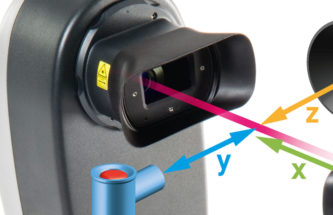
Déborah Le Pennec, Laurent Vecellio, Paul Kippax and Stephane Rouquette look at the optimal application of laser diffraction and automated imaging within the context of the US FDA guidance for the in vitro demonstration of bioequivalence in a generic nebuliser.
EXPERT VIEW
Stephen Duckworth
ADDING COLOUR & FUNCTIONALITY TO PLASTICS USED IN MEDICAL DEVICES
Stephen Duckworth explains how – with an emphasis on the importance of complying with stringent and changing pharmaceutical regulations – advanced additives in plastics used to make drug delivery devices can significantly enhance the product.
PULMONARY
Alan Tweedie
ENHANCING THE PERFORMANCE OF DRY POWDER INHALERS: BREATH ACTUATED MECHANISMS
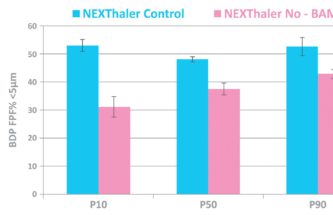
David Lewis and Alan Tweedie explain how BAMs work and present experimental data demonstrating their ability to control dose delivery.
PULMONARY
Noble
COMPANY SHOWCASE: NOBLE
Noble®, the leader in onboarding and device training, is a full-service, patient-centred product development and manufacturing company.
PULMONARY
Bill Welch
Phillips Medisize
SYSTEMS ENGINEERING FOR COMPLEX PORTABLE DRUG DELIVERY DEVICE DEVELOPMENT
Bill Welch explains how a systems-engineering approach provides an efficient method of developing smaller, smarter and more complex inhaler devices.
PULMONARY
Adam Smith
Copley Scientific
COMPANY SHOWCASE: NOVI
In December 2015 the inhaler automation specialists Novi Systems launched their latest product, a ten-way shake and fire system for pMDIs called DecaVertus. Novi continues to innovate, bringing efficiency, precision and repeatability to inhalation labs around the world.
PULMONARY
Vaishali Kamat
Cambridge Consultants
IT’S JUST AN APP, ISN’T IT?
Vaishali Kamat and Jaquie Finn, outline some key questions that pharma companies should ask before embarking on the development of a connected health solution, and provide insights that could help companies make the most from their investment.
PULMONARY
Dr Gabriela Dujovny
Qualicaps
OPTIMAL SOLUTION FOR DIFFERENT INSPIRATIONAL RATES
There is a wide range of devices available to deliver inhalation therapies, but there is increasing interest in the use of dry powder inhalers due to improved engineering and powder formulations. Gabriela Dujovny looks at the advantages and disadvantages of the DPIs currently available.
PULMONARY
Dr David L Hava
ADVANCES IN PULMONARY DELIVERY OF INHALED ANTI-INFECTIVES
With the growing problems caused by antimicrobial resistance, there is increasing interest in the use of improved strategies for drug delivery. David L. Hava explores the benefits of nebulised inhaled antibiotics delivered via high throughput nebulisers for aqueous formulations or dry powder inhalations for cystic fibrosis patients.
PULMONARY
Inga Meyer
Nemera
INHALIA
®
: A NEW pMDI METERING VALVE PLATFORM THAT PATIENTS CAN COUNT ON
Inga Meyer introduces the company’s new pressurised metered-dose inhaler (pMDI) valve platform, Inhalia, and uses device testing study data to demonstrate some of the significant advances, advantages and benefits the platform brings.
PULMONARY
Paul Sullivan
Noble
PATIENT PREFERENCE IN RESPIRATORY DEVICE TRAINING & EDUCATIONAL TOOLS
Paul Sullivan and Craig Baker provide data from recent patient studies to emphasise the importance of training devices in improving adherence to, and compliance with, inhaled therapeutics.
EXPERT VIEW
Mark Tunkel
WHY SUCCESS IN DRUG DELIVERY IS NOT JUST ABOUT THE DEVICE
Mark Tunkel explains how companies developing and marketing inhalable pharmaceuticals can explore other strategies to improve patient outcomes over and above what the drug and device can achieve.
PULMONARY
Dr David Lewis
REVIEWING CURRENT THINKING ON THE
IN VIVO
BEHAVIOUR OF PARTICLES IN THE EXTRA-FINE REGION
David Lewis reports the latest research on the changing view of the behaviour of particles in the extra-fine region and their potential for enhancing inhaled drug therapies.
Prev
1
…
10
11
12
13
14
15
Next
Top